Electrical Panel Replacement Omaha Homeowners Need
- Derek Curtis
- May 22
- 6 min read
A panel that trips every time the microwave, air fryer, and AC run together is not just annoying. It is your home telling you the electrical system may be out of room, out of date, or no longer working as safely as it should. For many families, electrical panel replacement Omaha projects start with those everyday frustrations, then turn into a smart safety upgrade once the bigger picture becomes clear.
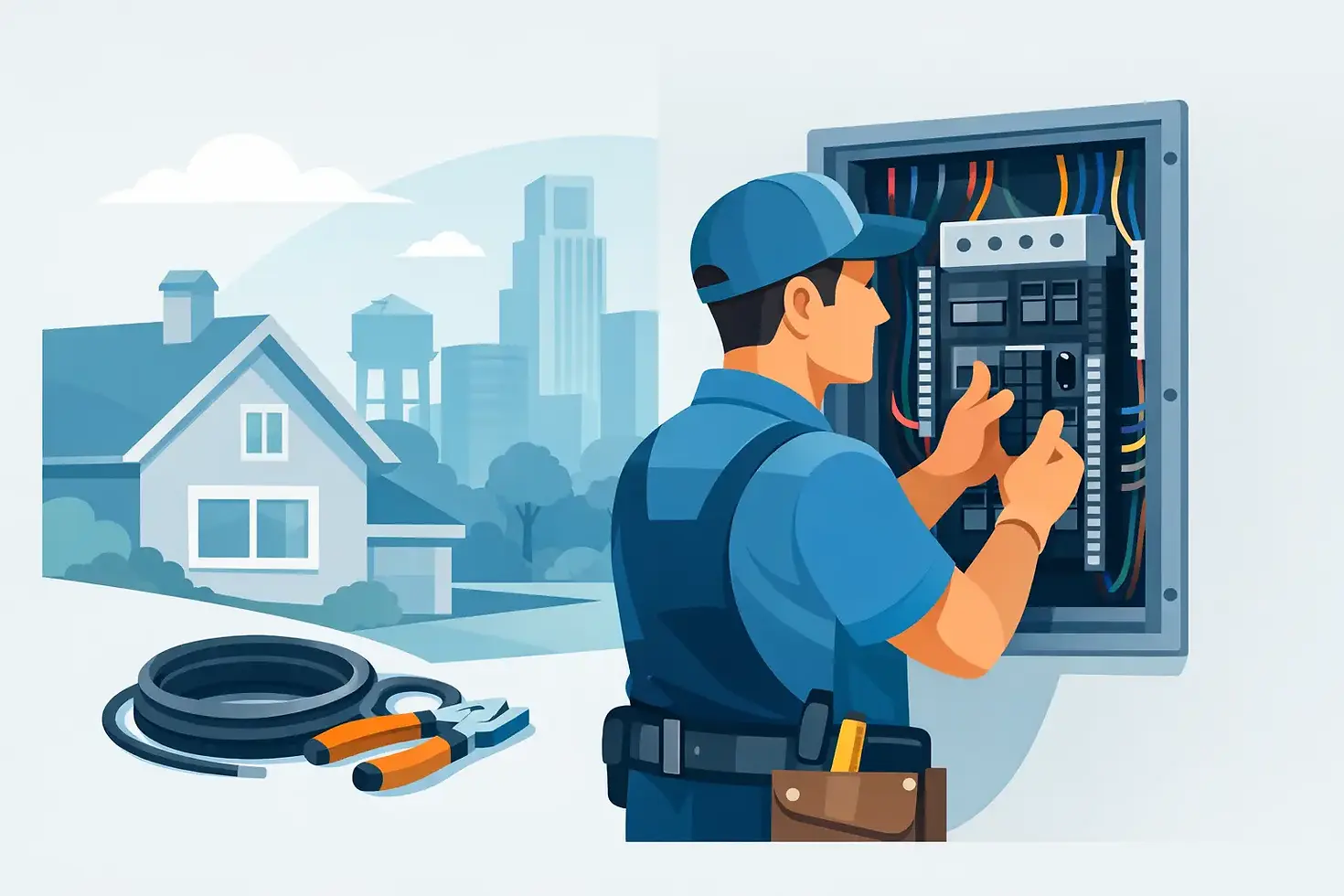
Your electrical panel is the control center for the entire house. It distributes power to lights, outlets, appliances, and dedicated circuits, and it is designed to shut down problem circuits before wires overheat. When the panel is outdated, damaged, or undersized for how your home is used now, the risks and inconveniences add up fast.
When electrical panel replacement in Omaha makes sense
Not every electrical issue means the panel has to go. Sometimes the fix is a bad breaker, a loose connection, or an overloaded circuit that needs to be redistributed. But there are clear situations where replacement is the better long-term move.
Age is one of the biggest factors. Many older Omaha homes were built for a very different electrical load than modern households demand. Years ago, homes had fewer large appliances, fewer electronics, and almost no high-demand additions like hot tubs, EV chargers, workshop equipment, or expanded kitchen circuits. If your panel was installed decades ago, it may still function, but that does not always mean it is a good fit for the home today.
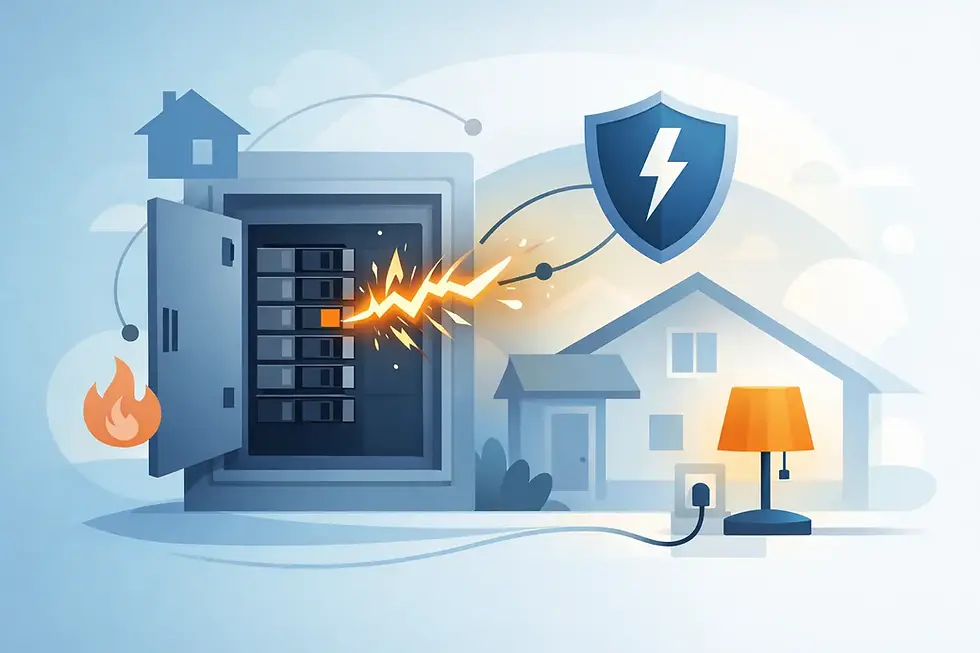
Frequent breaker trips are another warning sign. Breakers are supposed to trip when there is too much current or a fault on the circuit. An occasional trip can be normal. Repeated trips, especially across multiple circuits, often point to a panel that is struggling to keep up or components that are wearing out.
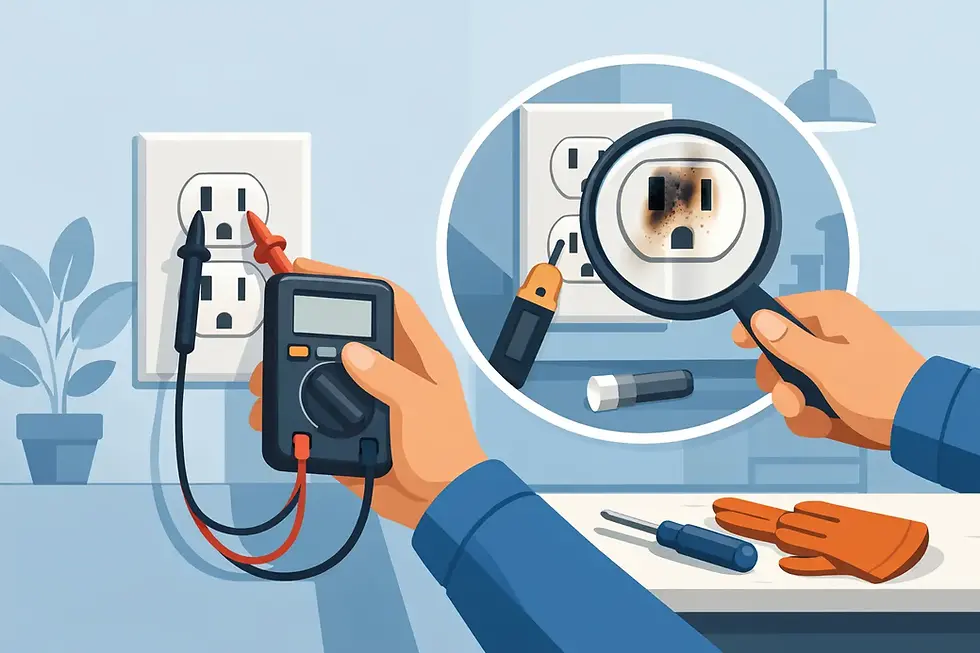
You should also pay attention to physical signs. Rust, heat marks, buzzing, a burning smell, loose breakers, or flickering power can all signal trouble inside the panel. At that point, the question is less about convenience and more about safety.
Common signs your panel is outdated
Homeowners often ask how to tell the difference between a minor repair and a full upgrade. The answer depends on the condition of the equipment, the capacity of the service, and what you want the home to support in the next few years.
An outdated panel may show up as dimming lights when major appliances start. It may have little or no room for new circuits. It may still use older equipment that is harder to service or no longer considered a strong choice for modern residential use. In some cases, homeowners discover the issue when planning a remodel and learning the current panel cannot support a new kitchen, basement finish, or garage addition.
Fuse boxes are another clear example. Some older homes still have them, and while they were standard in their time, they are usually less practical and less convenient than modern breaker panels. Replacing a fuse box with a new electrical panel improves usability and typically gives the home a better foundation for future upgrades.
There is also the insurance side of the equation. Some carriers are cautious about certain older panels or electrical systems because of fire risk or reliability concerns. If you are buying, selling, or refinancing a home, panel condition can quickly become part of the conversation.
What a panel replacement actually improves
The biggest benefit is safety. A modern panel is built to manage electrical loads more reliably and shut down dangerous conditions more effectively. That matters whether you live in an older home or a newer one that has simply outgrown its original capacity.
The next benefit is function. A replacement can reduce nuisance tripping, support better circuit organization, and make it easier to add dedicated power where it is needed. That can include kitchen appliances, a garage refrigerator, home office equipment, a sump pump, or outdoor lighting.
It also supports home improvement plans. If you are thinking about a remodel, new HVAC equipment, an EV charger, or upgraded lighting throughout the home, the panel should be evaluated early. It is much easier to plan those improvements around a panel that has enough space and capacity than to discover halfway through the project that the electrical service is the bottleneck.
For some homeowners, value and peace of mind matter just as much. A newer panel can be an attractive feature because it signals that a major part of the home’s infrastructure has already been updated.
Electrical panel replacement Omaha homeowners should expect
A proper panel replacement starts with evaluating the existing system, not just swapping one box for another. The electrician will look at the home’s service size, the condition of the panel and breakers, grounding and bonding, the number of circuits needed, and whether the meter or service components also need attention.
That part matters because panel replacement is rarely a one-size-fits-all job. A small older home with modest electrical demand may need a different solution than a larger house with new appliances, finished basement loads, and plans for future expansion. In some cases, a homeowner only needs panel replacement. In others, a full service upgrade is the right call.
Once the scope is clear, the old panel is removed and the new equipment is installed according to current code requirements. Circuits are reconnected, labeled, tested, and checked for proper operation. Depending on the job, there may also be coordination with the utility and local inspection requirements.
For homeowners, the main takeaway is simple. This is not cosmetic work. It is technical, safety-critical work that should be done carefully and correctly the first time.
Cost depends on the house, not just the panel
One of the most common questions is cost, and the honest answer is that it depends. The panel itself is only part of the price. Labor, permit requirements, service size, existing wiring conditions, and whether other components need to be brought up to code all affect the total.
A straightforward replacement in a home with decent access and no major surprises will usually cost less than a project involving service upgrades, damaged wiring, relocation, or significant code corrections. Older homes can especially vary because once the work begins, hidden issues sometimes come to light.
That uncertainty is exactly why a clear estimate matters. Homeowners should know what is included, what might change the price, and what the replacement will accomplish. Practical payment options can also make a real difference when the work is not optional. If the panel is unsafe or failing, waiting is not always the best financial decision, even if it feels easier in the short term.
Why local experience matters in Omaha
Homes in Omaha cover a wide range of ages, layouts, and renovation histories. Some have original systems with piecemeal updates over the years. Others look newer on the surface but have electrical setups that no longer match how the family actually uses the home.
That is where local residential experience helps. A contractor who regularly works in Omaha homes is more likely to recognize common panel issues, understand what homeowners are trying to add to their spaces, and spot related concerns before they become expensive surprises.
Just as important, homeowners tend to want straight answers. They want to know whether the issue is urgent, whether repair is still reasonable, and whether the panel will support future plans. A trustworthy service company should be able to explain those trade-offs in plain language, without pushing a bigger job than the house actually needs.
Proton Electric works with homeowners on exactly these kinds of residential upgrades, with free estimates and flexible payment options that can make a necessary panel project easier to manage.
Repair or replace? Sometimes it depends
There are times when panel repair still makes sense. If the issue is limited to a defective breaker, an isolated connection problem, or a specific minor defect in an otherwise solid panel, repair may be the practical option.
Replacement becomes the stronger choice when the panel is outdated, overloaded, physically deteriorated, or too small for the home. It also makes sense when repeated repairs are starting to add up without solving the underlying problem. Spending less today is not always the cheaper path if the same panel continues causing trouble next season.
A good assessment looks beyond the immediate symptom. The real question is whether the current panel is safe, serviceable, and appropriate for the home you have now.
Planning ahead can save stress
Many homeowners only think about the electrical panel when something stops working. But panel upgrades are often best handled before a remodel, before installing major equipment, or before a small problem turns urgent.
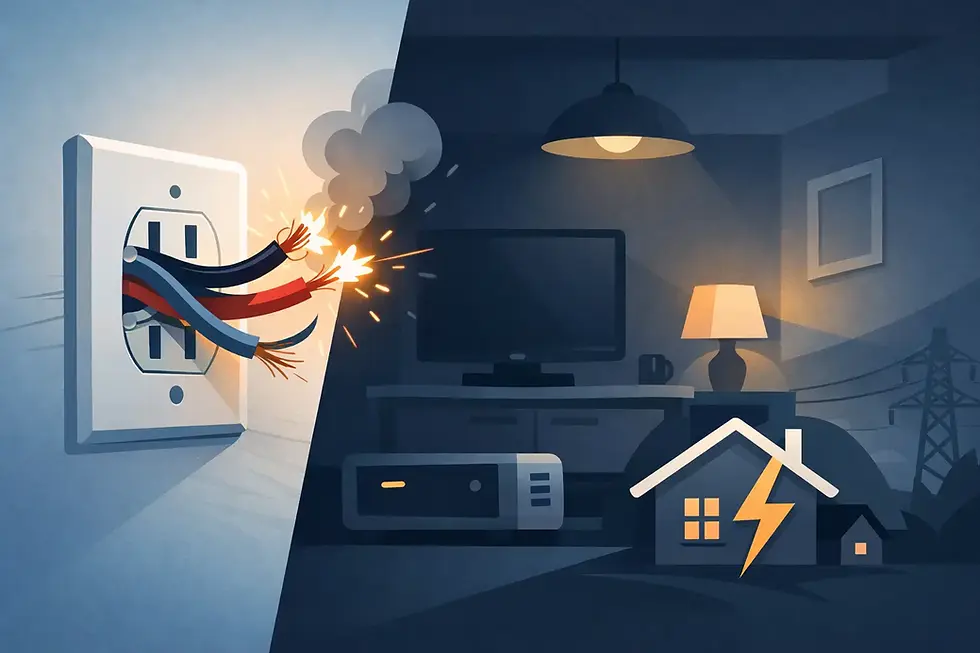
If your home shows signs of strain, if you are adding new electrical loads, or if your panel is simply old enough to raise questions, getting it evaluated is a practical step. You do not need to wait for smoke, sparks, or a complete power issue to find out whether your home is due for an upgrade.
A safe, properly sized panel does more than protect the house. It makes daily life easier, supports future improvements, and gives you one less thing to worry about when the lights come on and the rest of your home gets to work.
Comments