
When Should Electrical Panel Be Replaced?
- Derek Curtis
- May 12
- 6 min read
If your breakers trip every time the microwave and hair dryer run at once, your home is already telling you something. Homeowners often ask when should electrical panel be replaced, and the honest answer is not based on age alone. It comes down to safety, capacity, condition, and whether the panel still fits the way your household uses power today.
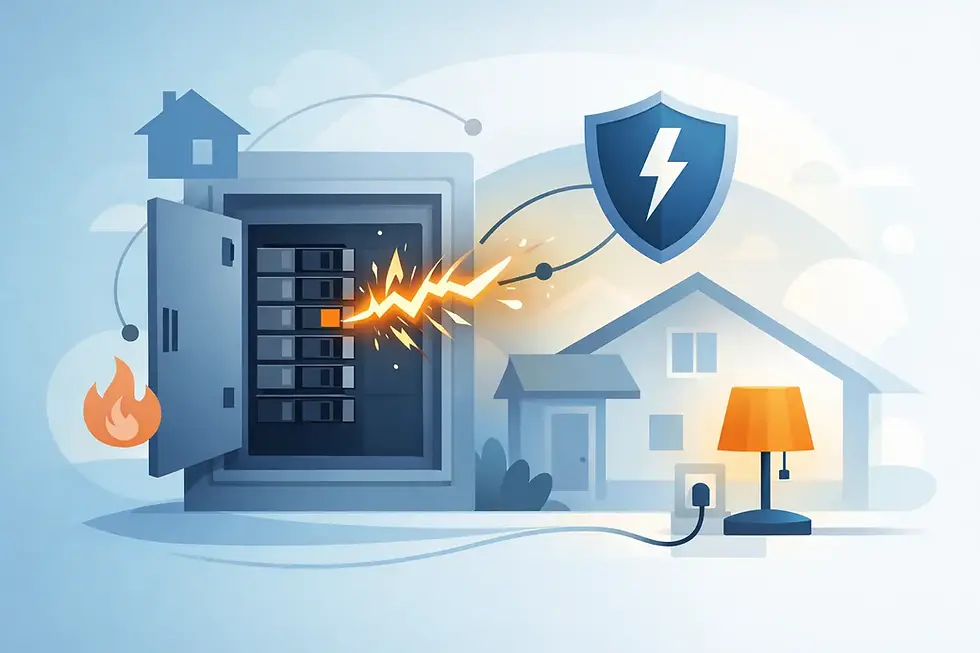
An electrical panel is the control center for your home. It routes power to every circuit, helps protect wiring from overloads, and supports the daily demands of appliances, HVAC equipment, lighting, and charging devices. When the panel is outdated, damaged, or undersized, the problem is not just inconvenience. It can become a real safety issue.
When should electrical panel be replaced?
A panel should be replaced when it is unsafe, failing, or no longer able to handle your home's electrical load. That includes clear warning signs like burning smells, rust, breaker problems, or flickering power, but it also includes less obvious cases like major remodels, service upgrades, and older homes with panels that were never built for modern living.
That means there is no single replacement date on the calendar. Some panels last for decades with no major trouble. Others need replacement much sooner because of water exposure, poor installation, recalled equipment, or increasing household demand.
The warning signs homeowners should not ignore
The clearest reason to replace a panel is visible or repeated trouble. If breakers trip often, that may mean the panel is overloaded, the breakers are worn out, or the circuits were not designed for how the home is being used now. A single trip once in a while is not unusual. Frequent tripping is different.
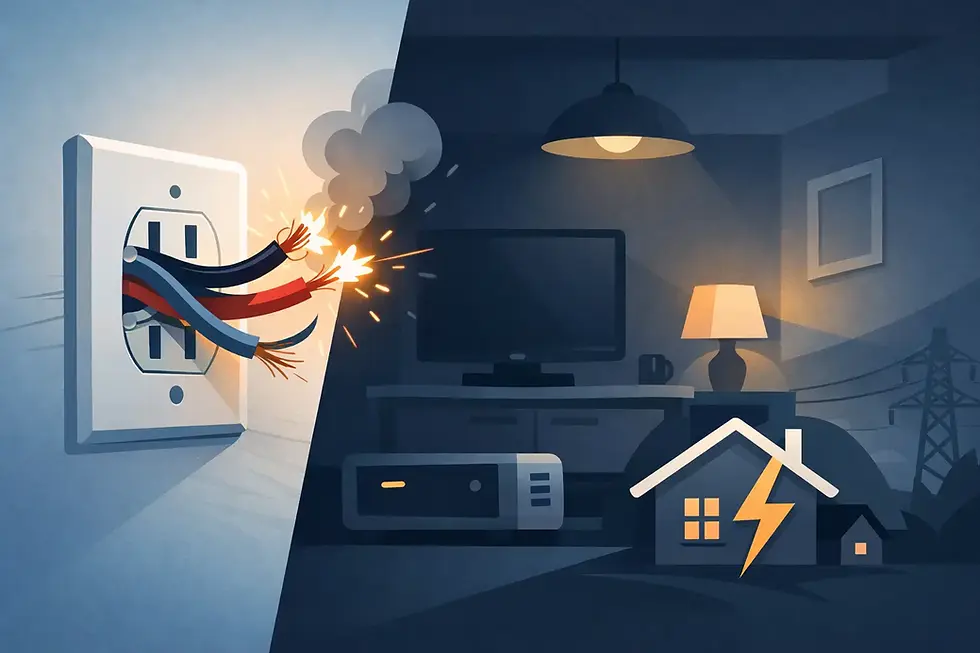
Flickering or dimming lights can point to panel issues too, especially if the problem happens when larger appliances start up. You may also notice outlets that do not perform consistently, breakers that will not reset properly, or circuits that seem to fail without a clear reason.
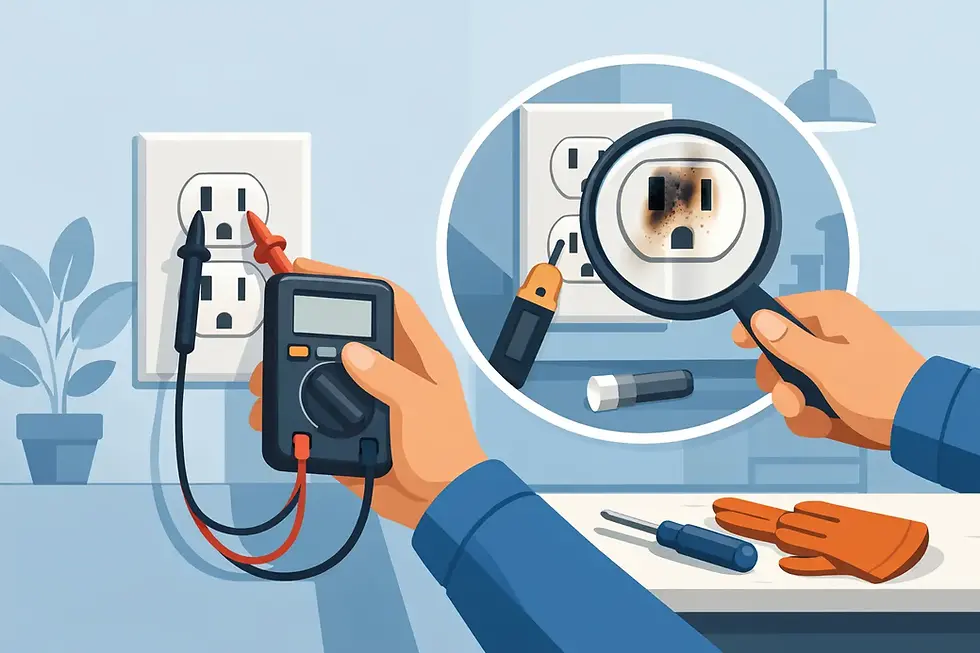
Heat is another serious red flag. If the panel feels warm, if you smell something burning near it, or if you see discoloration around breakers, the situation needs prompt attention. A healthy panel should not produce signs of overheating during normal use.
Physical damage matters as well. Rust, corrosion, moisture inside the panel, or signs of arcing are all reasons to have it evaluated. Water and electricity are a bad combination, and corrosion can affect the connection points that keep the system operating safely.
Age matters, but only in context
Homeowners often assume that an old panel automatically needs replacement. Sometimes that is true, but age by itself is not the full story. An older panel in good condition may still be serviceable if it is properly sized, safely installed, and using reliable equipment. On the other hand, a panel that is not very old can still need replacement if it has damage or was poorly matched to the home's needs.
That said, many older Omaha homes were built around electrical demands that look very different from today's households. Years ago, homes had fewer dedicated kitchen circuits, smaller HVAC loads, no EV chargers, fewer electronics, and much simpler lighting plans. If your panel was installed when the biggest household draw was a window AC unit and a handful of countertop appliances, it may be due for an upgrade even if it still technically works.
Some panels are known safety concerns
In certain cases, replacement is recommended because of the panel brand or model, not just because of symptoms. Some older electrical panels have well-documented reliability concerns, especially around breaker performance. A breaker that fails to trip when it should is a serious problem because it removes one of the main protections built into the system.
If your home has one of these older panel types, an inspection is worth scheduling even if nothing seems obviously wrong. This is one of those situations where waiting for visible failure is not the best plan.
Your home may have simply outgrown the panel
A panel can be in decent condition and still be the wrong fit for the house. This happens often during renovations or after years of gradual upgrades. Maybe you added a finished basement, replaced a gas range with an electric model, installed a hot tub, or upgraded to a larger HVAC system. Maybe you want a garage subpanel, outdoor lighting, or an EV charger.
All of those improvements increase demand. If the existing panel has no room for new circuits or the service amperage is too low, replacement may be the practical next step. This is especially common in homes with 60-amp or 100-amp service that are trying to support modern appliances and convenience features.
The trade-off here is straightforward. You may be able to add a few workarounds in the short term, but those fixes do not always leave room for future needs. A panel replacement costs more upfront, but it often makes the home safer, more flexible, and easier to update later.
Panel replacement vs. repair
Not every electrical panel issue means full replacement. Sometimes a specific breaker is defective, a connection needs tightening, or a related issue elsewhere in the system is causing the symptom. That is why proper diagnosis matters.
Still, repair has limits. If the panel is outdated, damaged internally, short on space, or tied to equipment with known safety concerns, replacing individual parts may not be the best use of money. In those cases, replacement solves the root problem instead of just buying time.
For homeowners, the practical question is not just can this be repaired. It is should it be repaired. A repair makes sense when the panel is fundamentally sound. Replacement makes more sense when the panel is becoming a weak point in the home.
What happens during a panel upgrade
A panel replacement usually includes removing the old panel, installing a new one that matches the home's power needs, updating connections, labeling circuits, and making sure the system meets current code requirements. Depending on the condition of the existing setup, related work may also be needed, such as a service mast update, grounding improvements, or meter-related coordination.
For homeowners, this is not just a safety repair. It can also be a home improvement that supports better daily function. A properly sized panel gives you room for future upgrades, helps reduce nuisance tripping, and makes the electrical system more dependable.
That is one reason many homeowners choose to replace the panel before a bigger remodel starts. It is easier to plan around one upgrade than to hit a power limitation halfway through another project.
Why local conditions and local homes matter
In Omaha, the housing stock includes many homes built in different eras, from older neighborhoods with aging infrastructure to newer homes adding more high-demand devices every year. That means panel replacement decisions are rarely one-size-fits-all.
A homeowner in an older property may be dealing with limited service capacity, outdated components, or space constraints for new circuits. A homeowner in a newer property may have a technically newer panel that is still undersized for added loads like a basement finish, electric vehicle charger, or upgraded kitchen.
This is where an in-person evaluation matters. The right answer depends on the actual panel, the condition of the wiring, the service size, and what you want your home to support over the next several years.
When to schedule an inspection
If you are noticing tripped breakers, flickering lights, heat, rust, buzzing, or any sign of burning, schedule an inspection right away. If you are planning a remodel, adding major appliances, or considering an EV charger, it also makes sense to have the panel evaluated before work begins.
Even if nothing feels urgent, an inspection is a smart step for homeowners who recently bought an older home and are not sure about the age or condition of the electrical system. A quick look now can help you avoid bigger disruptions later.
For many homeowners, panel replacement is not about chasing the newest equipment. It is about making sure the home is safe, capable, and ready for the way you actually live. If your electrical system is sending warning signs or falling behind your household's needs, getting clear answers from a residential electrician is the right next move. Proton Electric helps Omaha homeowners make that decision with practical guidance, straightforward estimates, and work focused on long-term safety.
Comments