
Panel Replacement Cost for Omaha Homes
- Derek Curtis
- May 10
- 5 min read
A flickering light or a breaker that trips once in a while might seem minor - until an electrician opens the panel and finds overheating, corrosion, or a system that simply cannot keep up with the house anymore. For many homeowners, panel replacement cost becomes a real question when safety concerns and daily convenience start colliding.
In Omaha, the price of replacing an electrical panel is not one flat number. It depends on the age of the home, the amperage your house needs, the condition of the existing wiring, and whether the utility connection or grounding system also needs attention. That is why two homes on the same block can get very different estimates.
What affects panel replacement cost?
The biggest factor is usually panel size. A straightforward replacement of an older 100-amp panel is often less involved than upgrading to 200 amps, especially if the home now supports more appliances, larger HVAC equipment, a finished basement, or plans for future additions like an EV charger.
Labor also matters. In some homes, the panel is easy to access and the existing wiring is in decent shape. In others, the electrician may find crowded circuits, outdated breakers, damaged conductors, or code issues that need to be corrected before the new panel can be installed safely.
Permits and inspections are part of the cost as well. A proper panel replacement is not just swapping boxes on the wall. It is licensed electrical work that needs to meet current code requirements and pass inspection. That protects the homeowner, and it helps make sure the system is safe for long-term use.
If the meter socket, service mast, grounding, or main disconnect also needs to be updated, the price can rise. These are not optional add-ons when they are required for a safe and code-compliant installation. They are part of the full picture.
Typical panel replacement cost range
For many homeowners, a basic panel replacement may fall somewhere in the low thousands. More complex projects can move higher depending on the service upgrade, materials, and any related repairs discovered during the job. If a home needs a full 200-amp upgrade with service changes, new grounding, and significant circuit cleanup, the total can be noticeably more than a simple like-for-like replacement.
That range can feel broad, but there is a reason for it. Electrical systems are hidden behind walls, and older homes often carry a few surprises. A clear estimate should explain what is included, what may affect the final price, and whether the work is solving immediate safety concerns, improving capacity, or both.
For homeowners comparing quotes, the cheapest number is not always the best value. A low estimate may leave out needed code updates, use lower-quality components, or assume ideal conditions that do not match the actual house. A realistic quote should account for the work needed to make the panel safe, functional, and ready for modern electrical demand.
When replacing the panel makes more sense than repairing it
Some issues can be handled with a breaker replacement or circuit repair. Others point to a larger problem. If your panel is outdated, overloaded, or showing signs of wear, replacing it may be the smarter long-term move.
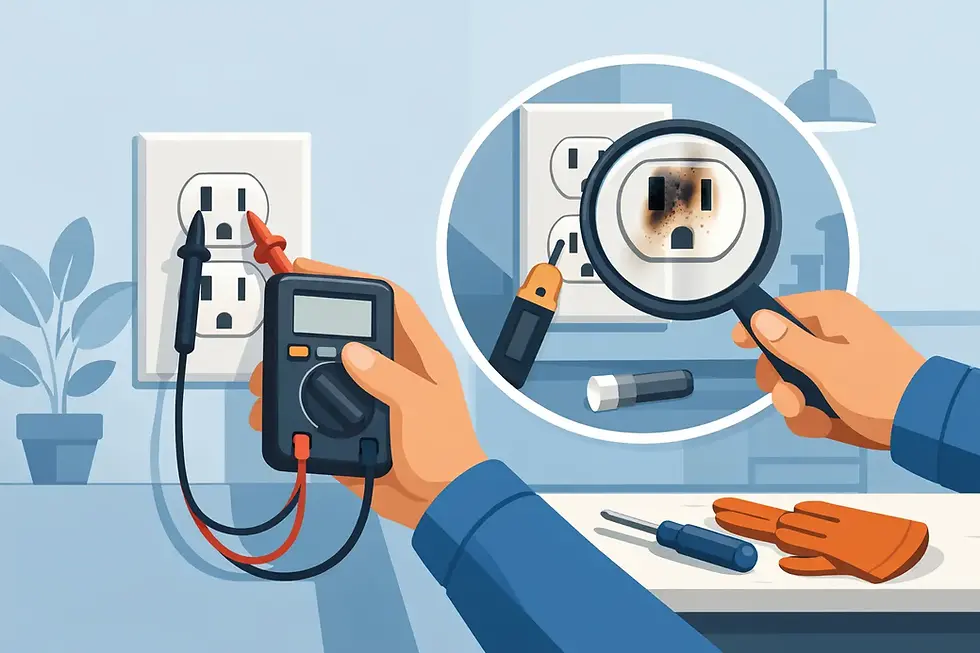
Frequent tripped breakers are one sign. So are warm breaker spots, buzzing sounds, rust, visible corrosion, burning smells, or lights that dim when major appliances start up. These symptoms do not automatically mean the panel is failing, but they do suggest the system needs professional evaluation.
Age matters too. Many older homes were built for a much lighter electrical load than families use now. A panel that worked fine decades ago may struggle with today’s kitchens, home offices, entertainment systems, sump pumps, and HVAC equipment. If you are planning a remodel, adding new appliances, or preparing for an electric vehicle charger, the panel may need to be upgraded before the rest of the project can move forward.
Panel replacement cost vs. staying with an outdated panel
There is a practical side to this conversation beyond the estimate itself. Panel replacement cost can feel significant, but the cost of waiting can show up in other ways. Repeated nuisance trips, limited capacity for home improvements, and lingering safety concerns all have a price, even if they do not appear on one invoice.
An outdated panel can also affect insurance questions, resale conversations, and future repair costs. If the electrical system is already at its limit, adding more circuits later often becomes harder and more expensive. Replacing the panel sooner can create room for a safer and more flexible setup.
That said, not every older panel needs immediate replacement. Some are still serviceable, while others are no longer a good fit for the home. The right answer depends on condition, capacity, and your goals for the property. That is why an on-site evaluation matters more than a rough online number.
Why upgrades often happen at the same time
Panel work tends to reveal related issues. Once the old panel is removed, it may become clear that grounding is inadequate, labeling is inaccurate, or certain circuits need to be reorganized. These upgrades may add to the cost, but they also improve usability and safety.
Homeowners sometimes choose to bundle other improvements into the job. Adding surge protection, setting up space for future circuits, or correcting long-standing wiring problems can make sense while the panel replacement is already underway. It is usually more efficient than revisiting the same area later.
This is also where planning pays off. If you expect to finish a basement, install new kitchen equipment, or add outdoor power later, mention it during the estimate. A panel should not only solve today’s issue. It should support what the home will need next.
What Omaha homeowners should keep in mind
Omaha has a wide mix of homes, from older neighborhoods with aging electrical systems to newer builds with higher power demands. That local variety is one reason estimates differ so much. In an older house, the panel may be only one part of the project. In a newer home, the work may focus more on increasing capacity or improving organization inside the panel.
Weather can play a role too. Nebraska homes rely heavily on heating and cooling systems through the year, and those loads add stress to the electrical system. If your panel is already close to capacity, seasonal demand can expose problems faster.
Local homeowners also tend to value practical upgrades that improve daily life, not just code compliance. A new panel can support better lighting, more dependable appliance performance, safer additions, and fewer interruptions. It is one of those upgrades that may not be visible to guests, but you notice the difference when the house works the way it should.
How to approach estimates with confidence
Start by asking what problem the replacement is solving. Is the panel unsafe, undersized, obsolete, or simply inconvenient? A good estimate should answer that clearly.
It should also explain the scope of work in plain language. You should know whether the quote includes permit fees, inspection coordination, grounding updates, breaker labeling, and any utility-related work. If something could change the final price, that should be discussed up front.
Payment flexibility can matter as well, especially when the replacement is unexpected. For some homeowners, spreading out the cost makes it easier to handle a necessary safety upgrade without delaying it. Convenience does not replace quality, but it can make an urgent project more manageable.
If you are in the Omaha area, working with a residential electrician who understands local homes and communicates clearly can make the process much less stressful. Proton Electric focuses on practical, homeowner-friendly solutions, and that matters when the job involves both safety and budget.
A panel replacement is rarely the project anyone hopes for, but it can remove a lot of uncertainty from the way your home functions. If your electrical system is showing signs of strain, the most helpful next step is not guessing at the number - it is getting a clear, honest assessment of what your home actually needs.
Comments