
When Should Wiring Be Replaced at Home?
- Derek Curtis
- May 8
- 6 min read
A light switch that feels warm, breakers that trip for no clear reason, or outlets that stop working one by one usually do not start as major problems. They are often early signs that a home’s wiring is aging, overloaded, or no longer suited to how people live today. If you are asking when should wiring be replaced, the honest answer is that it depends on the age of the system, the condition of the wiring, and what your home is demanding from it now.
For many Omaha homeowners, wiring replacement is not about chasing the latest upgrade. It is about safety, reliability, and avoiding the kind of electrical issues that disrupt daily life. Older wiring can still work for years, but working and working safely are not always the same thing.
When should wiring be replaced in a house?
There is no single expiration date for residential wiring. Some systems last for decades with no major trouble, while others need attention much sooner because of poor installation, moisture exposure, rodent damage, remodeling work, or simple wear over time.
In general, wiring deserves a close evaluation if your home is more than 30 to 40 years old and has not had a meaningful electrical update. That does not automatically mean the whole house needs rewiring. It does mean the system may no longer match current household use, especially if the home was built before modern kitchens, home offices, large entertainment setups, and high-demand HVAC equipment became common.
The better question is not just how old the wiring is. It is whether the wiring is still safe, properly protected, and able to support the way the home is being used now.
Signs your wiring may need replacement
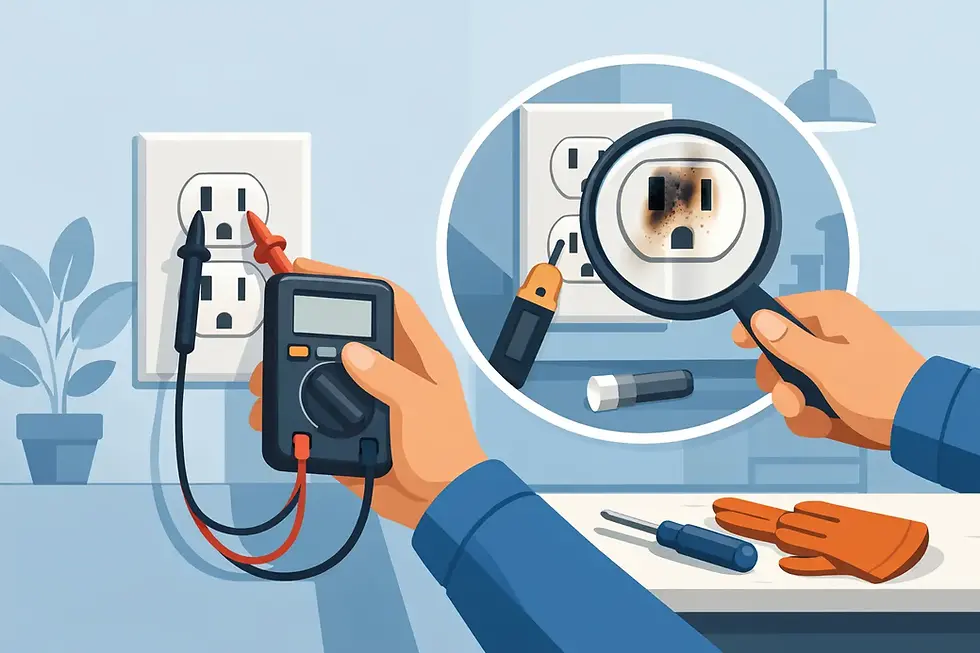
Some warning signs are obvious. Others are easy to ignore until a larger problem appears. If you notice burning smells, buzzing from outlets or switches, black marks around devices, frequent breaker trips, or flickering lights that happen in more than one room, it is time to have the system checked.
Two patterns matter here. The first is repeated nuisance problems. If you are resetting breakers, replacing switches, or dealing with dead outlets more often than you should, the issue may be deeper than one bad device. The second is heat. Electrical systems should not produce warmth at outlets, switches, or panels during normal residential use. Heat usually points to resistance, loose connections, overload, or damaged conductors.
Older two-prong outlets, a lack of GFCI protection in kitchens and bathrooms, and extension cords being used as permanent solutions are also clues that the home’s wiring setup may be outdated. Sometimes homeowners live around electrical limitations for years without realizing the system itself needs upgrading.
Age matters, but the wiring type matters more
A home built in the 1950s and a home built in the 1990s can both have electrical problems, but for different reasons. In older homes, electricians often look closely at the type of wiring installed and how well it has held up.
Knob-and-tube wiring, which may still exist in parts of very old homes, is usually a strong candidate for replacement. It was designed for a different era of electrical demand and lacks the grounding found in modern systems. It may still function, but it often creates limitations for insurance, remodeling, and everyday appliance use.
Aluminum branch wiring, commonly installed in some homes during the 1960s and 1970s, can also require corrective work or replacement depending on its condition and how connections were made. Aluminum itself is not automatically dangerous, but it expands and contracts differently than copper and can become a problem if terminations are loose or devices are not rated for it.
Even copper wiring can need replacement if insulation has become brittle, circuits were altered incorrectly, or damage has developed inside walls, attics, or crawl spaces.
When partial replacement makes sense
Not every home needs a full rewire. In many cases, replacing selected circuits is the more practical and cost-effective solution.
That is often true when the issue is limited to a remodeled area, an addition, a garage conversion, or a few heavily used circuits serving kitchens, bathrooms, laundry rooms, or basement spaces. If the rest of the wiring is in good shape, targeted replacement can improve safety and function without opening every wall in the house.
Partial replacement also makes sense when the home needs new grounded circuits, updated outlet placement, or dedicated lines for major appliances. The goal is not to replace wiring just because it is old. The goal is to replace wiring that is unsafe, undersized, damaged, or no longer appropriate for the load.
An inspection helps separate cosmetic age from real electrical risk. That distinction matters because homeowners should not pay for a full-house solution when a focused repair will do the job.
When a full rewire is the better call
A full rewire becomes more likely when problems are spread throughout the home instead of isolated to one area. If you have widespread flickering, multiple ungrounded circuits, a mix of old and improvised wiring methods, recurring breaker issues, or visible signs of deterioration, patchwork repairs may only delay the bigger fix.
Homes undergoing major renovation are often good candidates for full rewiring because walls and ceilings are already being opened. That can reduce labor complexity and give you a chance to bring the electrical system in line with how you actually use the house. Adding more receptacles, improving lighting layout, updating switches, and preparing for future panel work all become easier when the project is planned together.
A full rewire can also improve resale appeal. Buyers may not get excited about wiring the way they would about a new kitchen, but they do value a safe, dependable electrical system. For older homes especially, updated wiring removes uncertainty.
Safety issues that should never wait
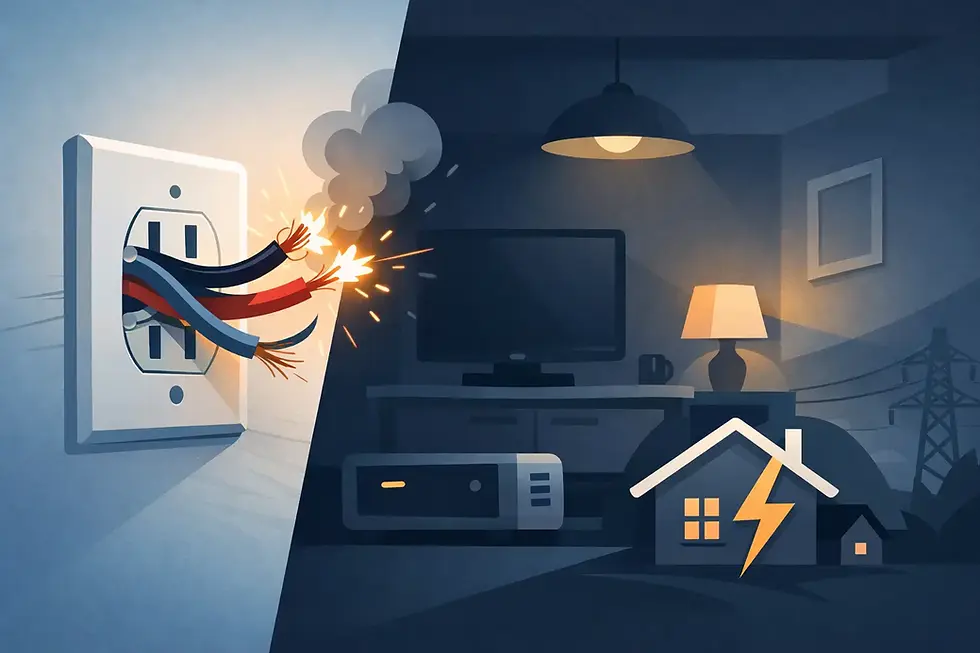
Some situations call for prompt action, not a wait-and-see approach. If you smell burning, see sparks, notice a panel that feels hot, or hear crackling from outlets or switches, stop using that part of the system and have it checked right away.
The same goes for any wiring damaged by water, pests, fire, or construction. Electrical damage is not always visible from the outside. A wire can look fine at the device while the insulation has failed deeper in the wall or attic.
If your lights dim significantly when large appliances start, that may point to wiring or service capacity issues. While not every voltage fluctuation means rewiring is needed, it does mean the system should be evaluated before the issue worsens.
Wiring replacement and panel upgrades often go together
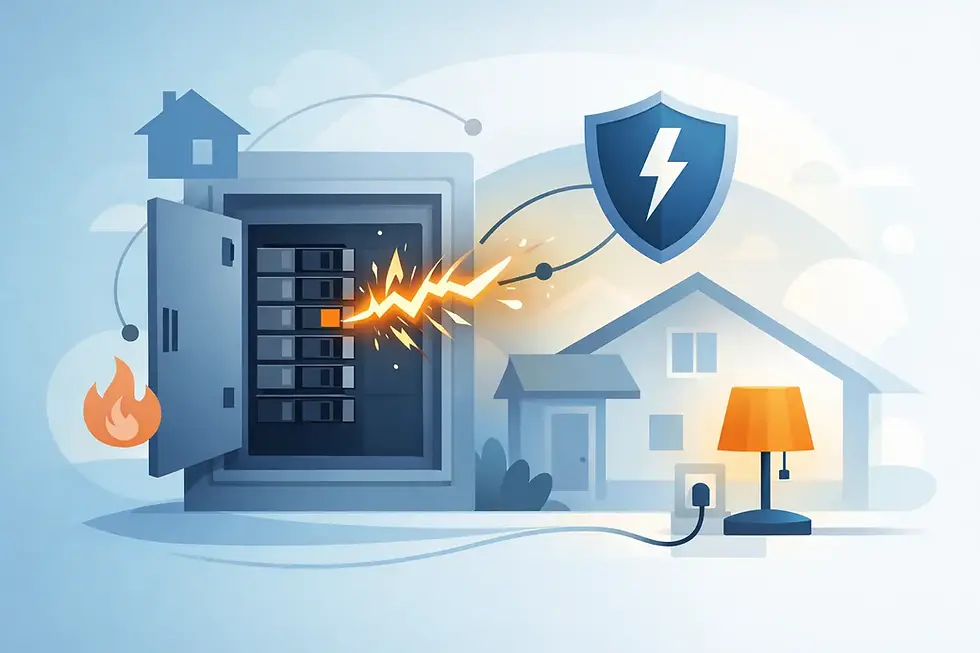
Wiring and panels are separate parts of the electrical system, but they affect each other. Replacing old wiring without considering panel condition can leave part of the system outdated. On the other hand, installing a new panel while leaving unsafe branch wiring in place only solves part of the problem.
That is why many homeowners end up addressing both during the same project. If circuits are being replaced, expanded, or redistributed, the panel may need more capacity, better breaker organization, or updated grounding and bonding. For homes adding electric vehicle chargers, new kitchen equipment, hot tubs, or workshop circuits, this coordination becomes even more important.
A well-planned project should improve more than safety. It should make the home easier to live in every day, with enough outlets in the right places, reliable lighting, and fewer workarounds.
How electricians decide when wiring should be replaced
A proper evaluation usually starts with the basics: the age of the home, known remodeling history, the type of wiring present, panel condition, and any symptoms the homeowner has noticed. From there, an electrician looks for signs of overheating, improper splices, code issues, missing grounding, damaged insulation, and overloaded circuits.
The answer to when should wiring be replaced is rarely based on one factor alone. It comes from the overall picture. A 50-year-old circuit in good condition may stay in service, while a newer circuit installed poorly may need immediate correction.
For homeowners, that is actually good news. It means the recommendation should be based on the real condition of your house, not a one-size-fits-all rule. A trustworthy electrician should explain what needs replacement now, what can be monitored, and what upgrades would simply make the home more functional.
If your home has recurring electrical issues or you suspect the wiring is past its prime, getting it evaluated is the practical next step. For Omaha-area homeowners, Proton Electric focuses on residential systems and straightforward recommendations, which helps take some of the guesswork out of a decision that affects your home every day.
The best time to replace wiring is before a small warning sign turns into a larger repair, and before your electrical system starts limiting how safely and comfortably you can use your home.
Comments