
Can Bad Wiring Cause Power Loss at Home?
- Derek Curtis
- 5 days ago
- 6 min read
Lights dim when the microwave starts. A bedroom outlet works one day and not the next. Your AC seems to struggle even though the thermostat is set right. If you are asking, can bad wiring cause power loss, the short answer is yes - and it can show up in ways that are easy to miss at first.
Power loss does not always mean a full blackout. In many homes, it looks more like weak performance, flickering lights, warm outlets, tripping breakers, or rooms that seem to have inconsistent power. Bad wiring can absolutely be behind those problems, but the exact cause matters. Sometimes the issue is a loose connection. Sometimes it is an overloaded circuit, an aging panel, a damaged conductor, or a device failure that puts extra strain on the system.
Can bad wiring cause power loss in one room or the whole house?
It can do either. That depends on where the wiring problem is located and how serious it has become.
If the bad wiring is on a branch circuit, you may only notice trouble in one room or on a few outlets and lights. For example, a loose connection behind a receptacle in the living room can interrupt power to everything downstream on that circuit. The rest of the house may seem perfectly normal while that one section acts up.
If the issue is closer to the panel, or tied to a failing main connection, the symptoms can affect large parts of the home. In more serious cases, the power may cut in and out across multiple rooms, appliances may underperform, and breakers may trip more often. That kind of widespread power loss needs prompt attention because the underlying problem may involve heat buildup, arcing, or unsafe voltage drop.
What bad wiring actually does to your electrical system
A home's wiring is meant to carry electricity efficiently from the panel to devices, lighting, and appliances. When wiring is damaged, undersized, loose, or improperly installed, electrical resistance goes up. As resistance increases, less usable power reaches the device, and more energy may be lost as heat.
That is why bad wiring often causes more than inconvenience. It can make ceiling lights flicker, cause motors to run poorly, and create outlets that feel hot or smell unusual. In some cases, the connection is just loose enough to work intermittently, which makes the problem frustrating to track down. In other cases, the circuit is still energized but not delivering stable power.
This is also where trade-offs matter. A single loose outlet connection might create a small, localized issue. A home with outdated wiring, a worn panel, and several overloaded circuits may show repeated power loss in different areas. The symptom is similar, but the repair approach is very different.
Common wiring problems that lead to power loss
Loose connections are one of the most common causes. Electricity depends on solid contact points. When a wire terminal loosens at an outlet, switch, junction box, or breaker, current flow becomes unstable. That can cause lights to flicker, electronics to reset, or part of a circuit to stop working.
Damaged wiring is another issue. Wires can deteriorate with age, be pinched during remodeling, get chewed by pests, or suffer insulation damage from heat. Once the conductor or insulation is compromised, the circuit may lose power or become unsafe.
Improperly sized wiring can also create trouble. If a circuit was extended or altered with the wrong wire size, the conductor may not handle the load well. That can lead to voltage drop, overheating, and poor performance under demand.
Backstabbed outlets, where wires are pushed into the back of a device instead of secured under terminals, can fail over time as well. These connections may loosen and create intermittent power loss. It is a common issue in homes where speed of installation mattered more than long-term reliability.
Then there is outdated wiring. Older homes may have aging connections, brittle insulation, or systems that were not designed for modern electrical demand. The wiring itself might not fail all at once, but as more appliances and electronics are added, the weakness becomes harder to ignore.
Signs your wiring may be causing the problem
Some warning signs are obvious. Others are easy to brush off until they become more serious.
Flickering or dimming lights are one of the most common clues, especially if the problem happens when another appliance turns on. If your lights dip every time the refrigerator, vacuum, or microwave starts, that may point to a circuit issue, a weak connection, or a panel problem.
Outlets that stop working intermittently are another red flag. The same goes for switches that feel unreliable, breakers that trip repeatedly, buzzing sounds, or outlets and cover plates that feel warm. A faint burning smell should never be ignored.
You may also notice appliances acting strangely. A garage door opener may hesitate, a bathroom fan may sound weaker than usual, or electronics may reboot without warning. Those are not always appliance failures. Sometimes they are signs that the circuit is not delivering stable power.
When the problem is not wiring
Even though bad wiring can cause power loss, it is not the only explanation.
A failing breaker can interrupt power in ways that look like a wiring issue. An outdated electrical panel can create inconsistent performance across several circuits. A worn receptacle, defective switch, damaged light fixture, or even a utility-side problem can produce similar symptoms.
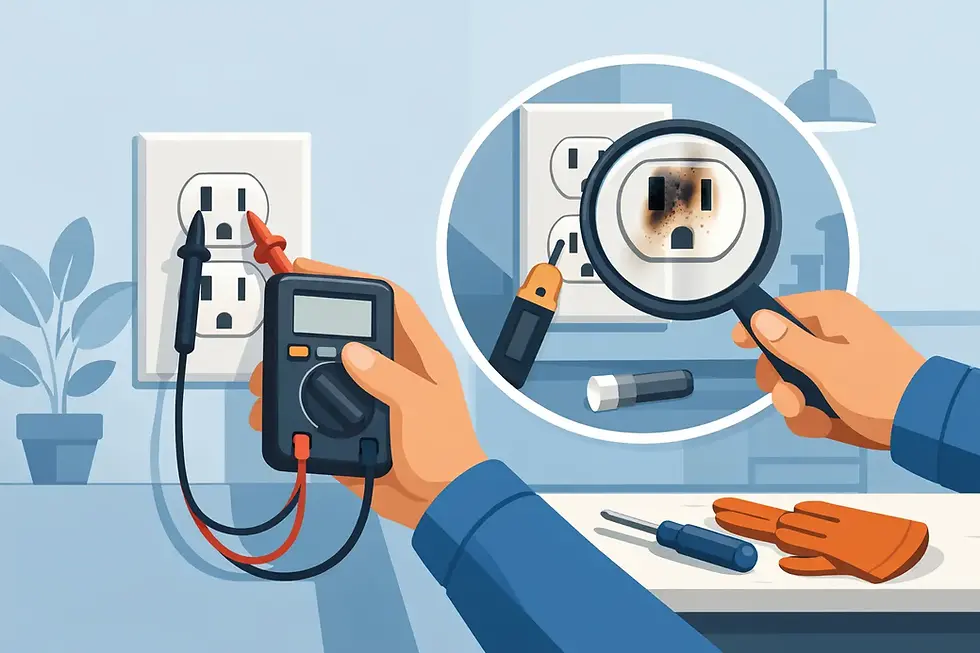
That is why electrical troubleshooting matters. Guessing can waste time and money, and replacing the wrong part does not solve the safety issue. A proper diagnosis looks at the panel, circuit behavior, device connections, and load conditions to find the actual fault.
For homeowners, that usually means the safest answer is not to keep resetting the breaker and hoping it goes away. If the same issue repeats, there is a reason.
Why power loss from bad wiring is more than an annoyance
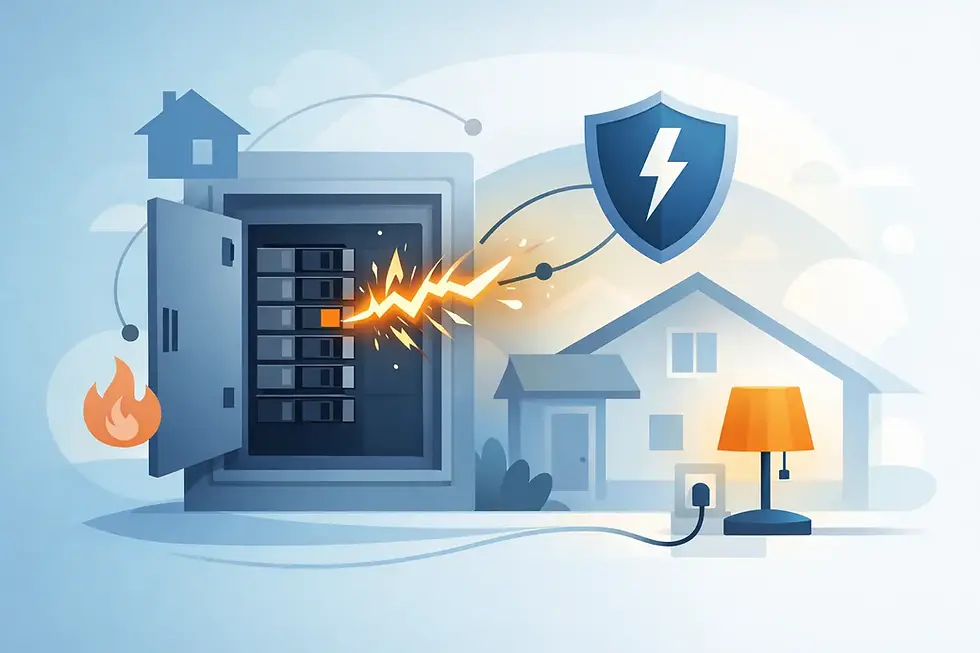
Power loss caused by bad wiring is often a warning before a bigger failure. Loose or damaged connections can generate heat inside walls, boxes, and devices. Arcing can occur when electricity jumps across a gap in a poor connection. That is where a reliability problem becomes a fire risk.
There is also the issue of equipment damage. Sensitive electronics do not handle unstable power well. HVAC components, refrigerators, and other motor-driven appliances can suffer when voltage is inconsistent. You may start with flickering lights and end up with a costly repair that had nothing to do with the appliance itself.
For families, the practical side matters too. Inconsistent power affects comfort and routine. It interrupts cooking, work-from-home setups, charging, lighting, and climate control. What feels like a small electrical nuisance can quickly affect the way your home functions every day.
What an electrician will typically check
When a homeowner reports partial power loss, flickering, or intermittent outages, a licensed electrician usually starts by isolating whether the problem is on one circuit or across multiple areas. That helps narrow down whether the issue is local, panel-related, or potentially tied to the service connection.
From there, the inspection may include breaker performance, outlet and switch connections, wire condition, voltage readings, signs of overheating, and whether the circuit is carrying an appropriate load. If the home has older components or signs of past DIY work, those details matter too.
In many cases, the repair is straightforward once the real cause is found. A loose connection can be re-terminated correctly. A damaged device can be replaced. A worn breaker can be changed out. In other situations, the better long-term fix may involve rewiring part of a circuit or upgrading an outdated panel so the system can handle the home's actual needs.
Can bad wiring cause power loss more often in older homes?
Yes, older homes are more likely to experience this problem, though newer homes are not immune. Age alone does not mean a system is unsafe, but older wiring has had more time to loosen, wear down, or fall behind current electrical demand.
Homes that have gone through several remodels can be especially tricky. Additions, replaced fixtures, and changed outlet locations sometimes leave behind mixed-quality work. A house may function fine for years until one weak point starts failing under load.
For Omaha homeowners, seasonal demand can make these issues more noticeable. Summer cooling and winter heating accessories put extra pressure on circuits. If wiring or panel components are already struggling, heavy-use months often expose the problem faster.
What homeowners should do next
If you suspect wiring is behind power loss, stop using any outlet, switch, or appliance that seems hot, sparking, or unreliable. If a breaker trips repeatedly, do not keep forcing it back on. That breaker may be doing its job by shutting down an unsafe condition.
For mild but repeated symptoms, such as dimming lights or intermittent outlet failure, it is still worth scheduling a professional inspection before the issue becomes more serious. A clear diagnosis gives you options. Sometimes it is a targeted repair. Sometimes it makes sense to improve a circuit or replace aging components before they fail at the worst possible time.
At Proton Electric, the goal is simple: help homeowners get back to a safe, dependable electrical system without confusion or pressure. If your home is showing signs of power loss, trust what it is telling you. Small electrical problems rarely stay small for long.

Comments