
What Is Basic Electrical Troubleshooting?
- Derek Curtis
- Apr 21
- 6 min read
A light starts flickering in the kitchen, one outlet suddenly stops working, or a breaker trips for no obvious reason. Most homeowners do not need to know how to rewire a house, but they should understand what is basic electrical troubleshooting and what it can - and cannot - safely tell them.
Basic electrical troubleshooting is the process of checking simple, visible causes behind an electrical problem before assuming the worst. In a home, that usually means noticing symptoms, testing what still works, checking breakers and GFCI outlets, and narrowing down whether the issue is isolated or part of a larger electrical fault. It is less about doing repairs yourself and more about identifying what is happening so the next step is clear.
That matters because not every electrical issue is an emergency, but many should be taken seriously. A single dead outlet may point to a tripped safety device. Repeated breaker trips, buzzing sounds, warm switches, or a burning smell can signal a problem that needs professional attention right away.
What basic electrical troubleshooting actually means
When people ask what is basic electrical troubleshooting, they are usually asking a practical question: how do I make sense of an electrical problem without guessing? The goal is not to diagnose every internal wiring issue on your own. The goal is to rule out the obvious, avoid unsafe trial and error, and communicate clearly if an electrician needs to step in.
In a residential setting, troubleshooting starts with observation. Which room is affected? Did the problem happen after plugging in a space heater, microwave, or holiday lights? Is power out at one device, several outlets, or half the house? Those details help separate a small device issue from a circuit problem or panel concern.
This process also saves time. If a bathroom outlet stopped working because a nearby GFCI tripped, that is very different from a loose connection inside the wall or an overloaded circuit. The symptom may look the same to a homeowner, but the cause can be simple or serious.
Common problems homeowners can check first
Some electrical problems have straightforward starting points. If an outlet or light is not working, check whether the breaker has tripped. Sometimes a breaker appears only slightly out of position, so it needs to be switched fully off and then back on. If the breaker trips again immediately, stop there. That usually means the circuit is overloaded, shorted, or has a fault that needs professional diagnosis.
If the problem is near a bathroom, kitchen, garage, basement, or exterior outlet, check for a GFCI outlet with a reset button. A tripped GFCI can shut off power to other outlets downstream, even if those outlets do not have reset buttons themselves. Homeowners are often surprised to find that one garage or bathroom reset restores power somewhere else.
Lamps, chargers, and small appliances can also create confusion. Before assuming the house wiring is the problem, try the device in another known working outlet. If the device still does not work, the issue may not be electrical service at all.
Switches and bulbs are another example. A flickering light might be caused by a loose bulb, the wrong bulb type for a dimmer, or a failing switch. But if flickering affects multiple fixtures or happens in different rooms, the issue may point back to a circuit, neutral connection, or panel-related problem.
What basic electrical troubleshooting should never include
There is a clear line between checking and repairing. Homeowners can safely observe patterns, reset a breaker once, test a GFCI, and unplug devices to see whether a circuit is overloaded. They should not remove panel covers, open junction boxes, replace breakers, or handle exposed wiring.
This is where basic troubleshooting sometimes goes wrong. People start with a reasonable check, then move into unsafe experimentation. If an outlet is warm, a switch crackles, or a breaker keeps tripping, the answer is not to keep resetting and hoping it holds. Those are warning signs.
It also depends on the age of the home. In older houses, electrical symptoms may connect to outdated wiring methods, worn devices, or undersized panels. A newer home can still have faults, but older systems tend to hide more wear behind walls. That makes restraint more important, not less.
A simple way to troubleshoot electrical issues at home
A calm, organized approach works better than jumping from room to room. Start with the symptom and work outward.
1. Identify exactly what lost power
Is it one light, one outlet, several outlets, or an entire area of the house? If only one device is affected, test that device elsewhere. If several nearby outlets are out, think in terms of a circuit issue.
2. Check the electrical panel
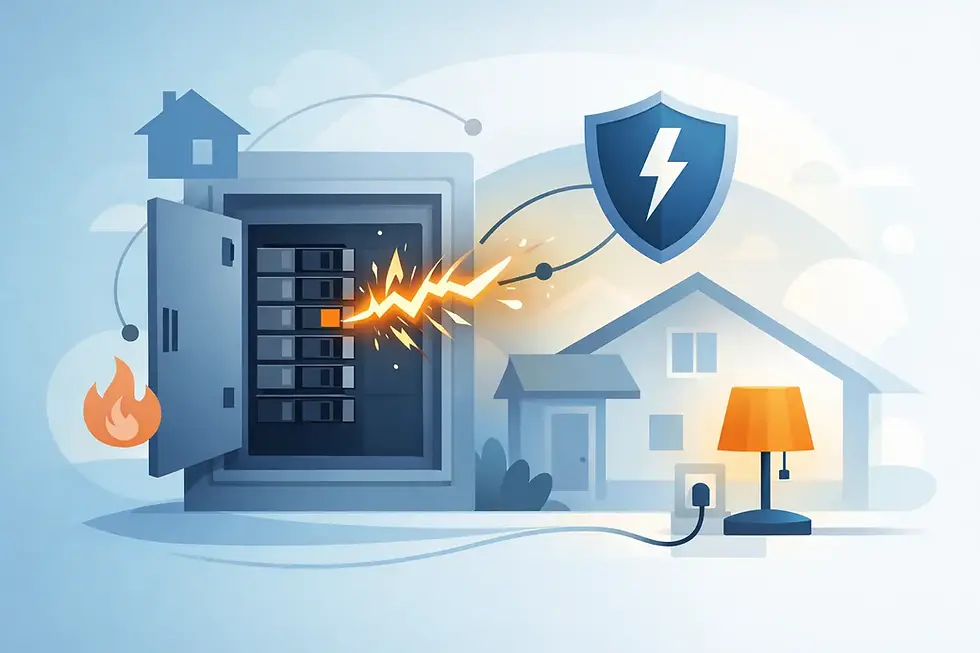
Look for a tripped breaker. Reset it once if needed. If it trips again, leave it off and call an electrician.
3. Check for GFCI outlets
Press reset on any nearby GFCI outlets in bathrooms, kitchens, garages, basements, laundry areas, and outside. Test the affected outlet again.
4. Unplug recent or high-draw devices
If the issue started after using a portable heater, air fryer, hair dryer, or similar appliance, unplug it. Overloaded circuits are common in busy parts of the home.
5. Notice anything unusual
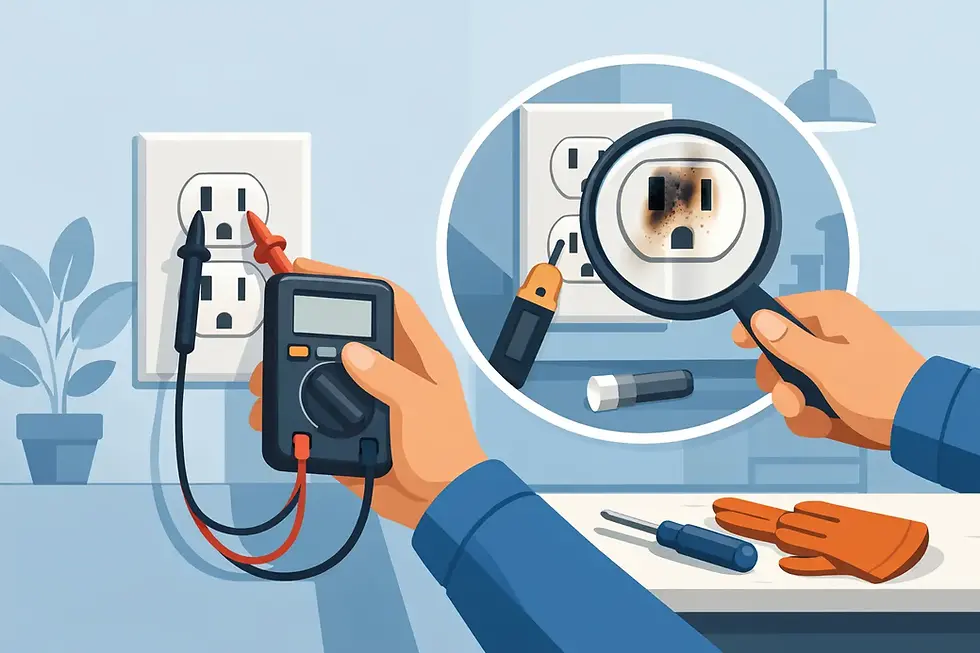
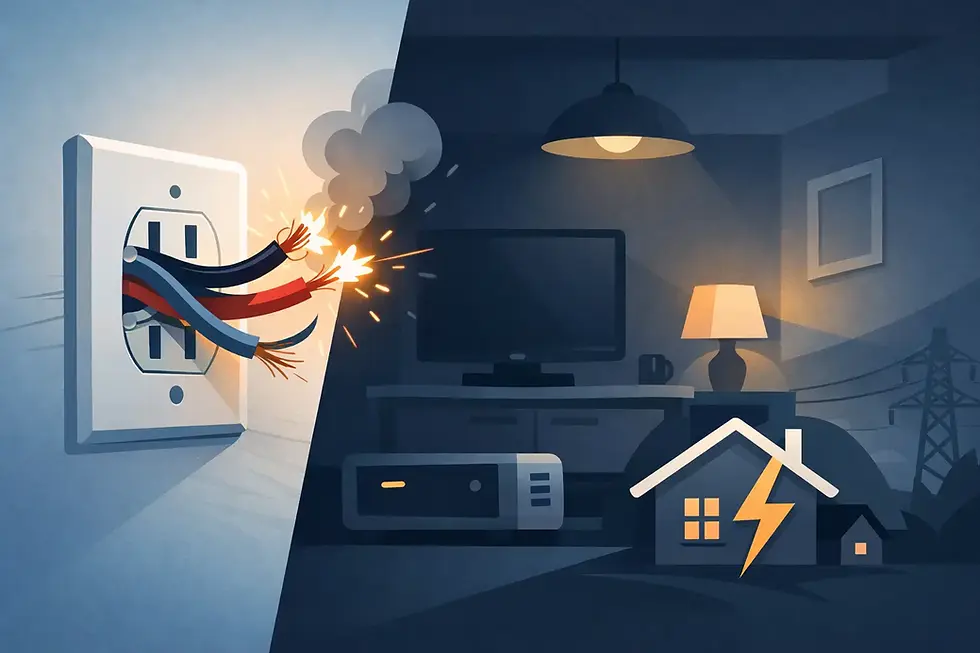
Buzzing, sparking, burning smells, warm cover plates, or discoloration around outlets and switches all change the situation. At that point, troubleshooting becomes a safety issue, not a convenience issue.
Signs the problem may be bigger than a tripped breaker
One reason homeowners ask what is basic electrical troubleshooting is that they want to know when an issue is minor and when it points to something larger. A few patterns deserve extra caution.
If breakers trip repeatedly, the circuit may be overloaded, but it may also have a short or ground fault. If lights dim when major appliances start, your electrical system may be struggling with load demands. If switches or outlets stop working intermittently, loose connections could be present. If several unrelated areas show symptoms at once, the panel or service may need attention.
There is also a difference between inconvenience and hazard. A dead outlet is frustrating. An outlet with scorch marks is a warning. A flickering porch light is annoying. A panel that hums or smells hot is not something to put off until next month.
Why professional diagnosis still matters
Basic troubleshooting is useful because it narrows the issue, but it does not replace licensed electrical work. Many residential electrical problems involve hidden connections, aging devices, or panel conditions that are not visible from the outside. Even when the fix ends up being simple, the cause is not always obvious.
That is especially true when symptoms come and go. Intermittent problems are some of the hardest for homeowners to interpret. A light that flickers only at certain times, an outlet that works until a second device is plugged in, or a breaker that trips only during hot weather can all point to underlying conditions that need proper testing.
For Omaha homeowners, seasonal demand can also play a role. Space heaters in winter and heavy appliance use in summer can expose circuits that were already close to their limit. In those cases, the long-term answer may be more than a quick repair. It could involve replacing worn devices, redistributing loads, or upgrading the panel.
What homeowners should do before calling
A little information helps speed up service and makes the visit more productive. Try to note which rooms are affected, whether the breaker tripped, whether a GFCI reset helped, and what was running when the issue started. If you noticed heat, odor, noise, or visible damage, mention that right away.
That kind of detail helps an electrician focus on the likely cause faster. It also helps separate a one-device problem from a circuit issue or a larger system concern. At Proton Electric, this is often where homeowner observations make a real difference. Clear details can shorten the path from symptom to solution.
What is basic electrical troubleshooting good for?
At its best, basic electrical troubleshooting helps homeowners stay calm, avoid unsafe guesses, and respond appropriately. It can confirm whether a problem is isolated, help restore power in simple cases, and highlight red flags when the issue is no longer a do-it-yourself check.
It is not about becoming your own electrician. It is about knowing enough to protect your home, your family, and your time. When something electrical stops working, the smartest first step is not always a repair. Often, it is a careful look at what changed, what still works, and what your home may be trying to tell you.
If the signs point to more than a quick reset, trust that instinct and get it checked. Electrical problems are much easier to deal with when they are addressed early.
Comments