Do I Need Arc Fault Breakers at Home?
- Derek Curtis
- 3 days ago
- 6 min read
A breaker trips, a light flickers, or you're planning a panel upgrade, and suddenly the question comes up: do I need arc fault breakers? For many homeowners, the short answer is yes in at least some parts of the home, but the real answer depends on your panel, the age of the wiring, and what kind of work is being done.
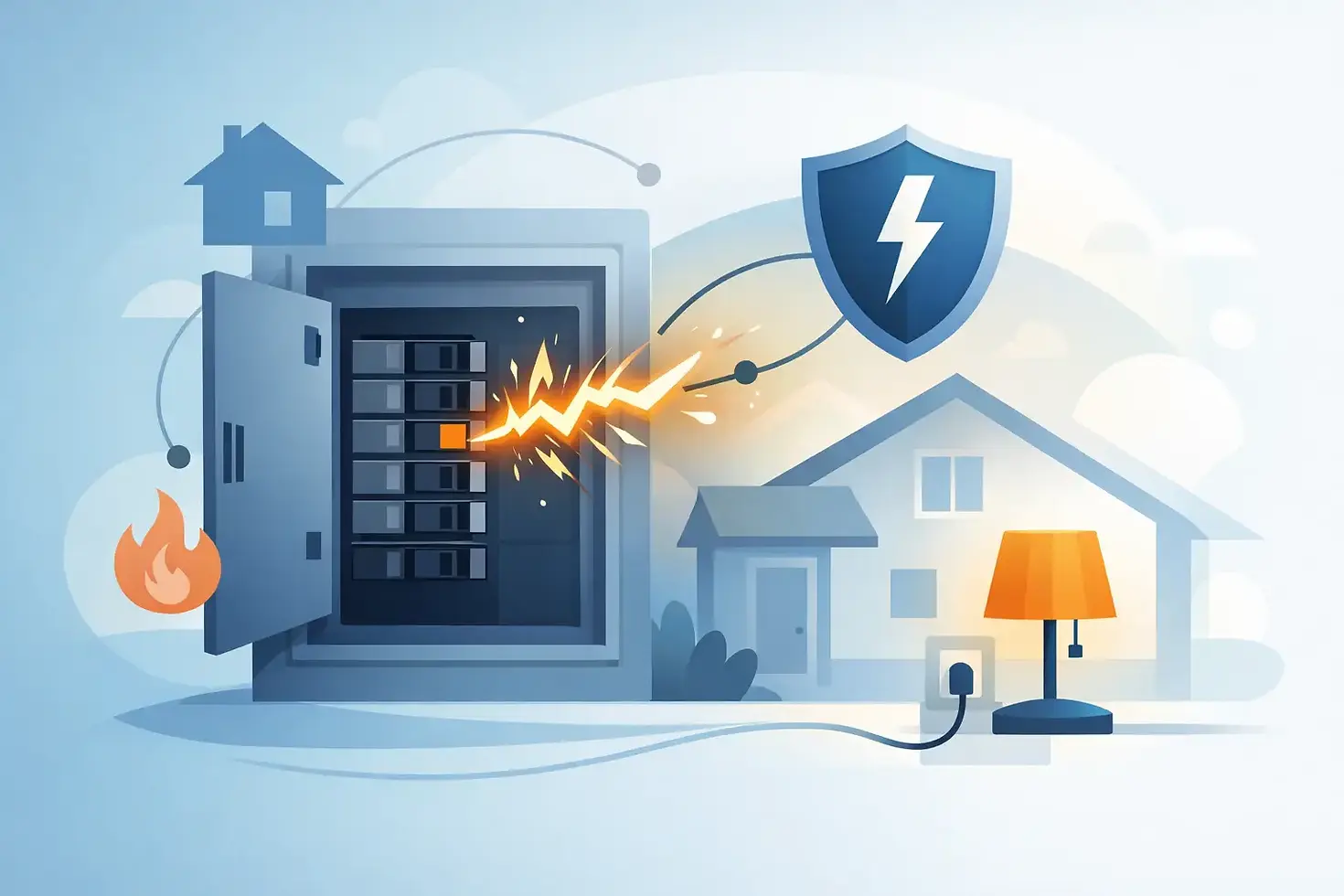
Arc fault breakers, often called AFCI breakers, are designed to help prevent electrical fires. They do that by detecting dangerous arcing in a circuit and shutting power off before heat builds up inside the wiring. That makes them different from a standard breaker, which is mainly there to protect against overloads and short circuits.
If that sounds technical, here is the practical version: a regular breaker may not catch every wiring problem that can start a fire behind the wall. An arc fault breaker is made to catch more of those hidden hazards.
Do I Need Arc Fault Breakers for every circuit?
Not always every circuit, but many living areas in modern homes are expected to have AFCI protection. In newer construction and many remodeling situations, arc fault protection is commonly required in places like bedrooms, living rooms, dining rooms, family rooms, hallways, and similar finished spaces.
Bathrooms, garages, unfinished basements, and outdoor circuits often follow different protection rules, with GFCI protection being the bigger concern there. Kitchens can involve both AFCI and GFCI protection depending on the circuit. That is where homeowners can get mixed messages, because one room may need one type of protection, another may need both, and an older part of the house may not match current standards.
That is why the better question is not just do I need arc fault breakers, but where do I need them and when does code require them.
What arc fault breakers actually protect against
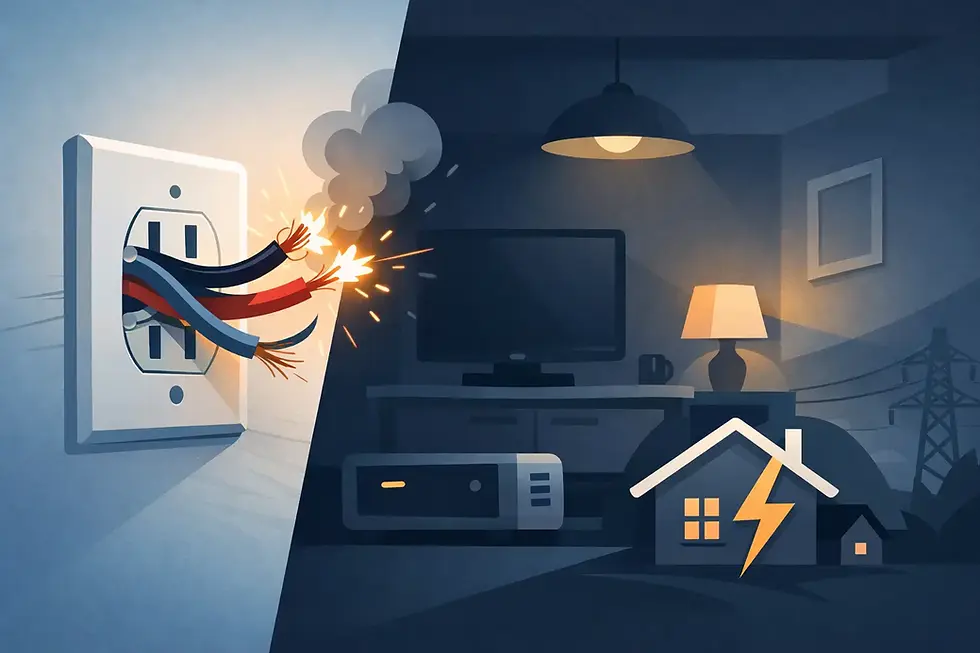
Electrical arcing happens when electricity jumps across a gap where it should not. That can happen because of damaged insulation, loose connections, aging wire, a staple driven too tightly into a cable, or a worn outlet. Small arcs can create a lot of heat, especially when they happen repeatedly inside a wall or ceiling.
An AFCI breaker is built to recognize the signature of dangerous arcing and trip the circuit. It is not a cure-all, and it does not replace good wiring practices, but it adds another layer of protection where fires can start quietly and go unnoticed.
For homeowners, that matters most in older homes, homes with DIY electrical history, and homes where the wiring has been extended or altered over time. Omaha has plenty of houses with a mix of old and newer electrical work, so it is common to find a panel that does not line up neatly with current recommendations.
When arc fault breakers are usually required
If you are building a new home, finishing space, adding new circuits, or replacing a panel, AFCI protection often becomes part of the job. The exact requirement depends on the current code being enforced and the scope of the work.
A full panel replacement is one situation that often raises the issue. Homeowners may expect a simple swap, but once the new panel is installed, certain circuits may need updated protection to meet current standards. The same can happen during basement finishes, room remodels, or wiring upgrades.
There is also a difference between replacing one faulty breaker and performing a larger electrical upgrade. If you are only replacing a damaged breaker in an otherwise unchanged circuit, the rules may be different than if you are extending wiring, adding outlets, or replacing service equipment. That is one reason a professional evaluation matters. Small details can change what is required.
Do I need arc fault breakers in an older house?
Many older homes were built before AFCI protection became common, so the answer is not automatically yes across the whole house. If the home has not been significantly remodeled, it may still be legal to have standard breakers on older circuits.
That said, legal and safest are not always the same thing. If you have aging wiring, frequent nuisance tripping, warm outlets, buzzing switches, or signs of past patchwork repairs, upgrading selected circuits to AFCI protection may be worth discussing even if it is not strictly required everywhere.
Older homes also tend to have wiring conditions that can make arc fault breakers more sensitive. Shared neutrals, bootleg grounds, loose splices, and worn devices can all cause problems. Sometimes an AFCI breaker trips because it is doing its job. Other times it exposes a wiring issue that was already there but hidden.
That can be frustrating, but it is also valuable information. A breaker that keeps tripping should not just be replaced with a standard one to make the problem go away. The cause needs to be found.
AFCI vs. GFCI: what is the difference?
This is one of the most common points of confusion. Arc fault protection and ground fault protection are not the same.
AFCI protection is meant to reduce fire risk from dangerous electrical arcing. GFCI protection is meant to reduce shock risk, especially where water is present. GFCIs are commonly used in bathrooms, kitchens, garages, basements, laundry areas, and outdoor locations.
In some parts of the home, you may need both. A kitchen circuit, for example, may need GFCI protection because of countertop use and AFCI protection because it is part of the dwelling area wiring requirements. Modern devices and breakers can sometimes provide both types of protection, but the right setup depends on the circuit and panel.
For a homeowner, the key point is simple: one does not replace the other. If a circuit needs both, installing only one type is not enough.
Signs you should ask about arc fault protection
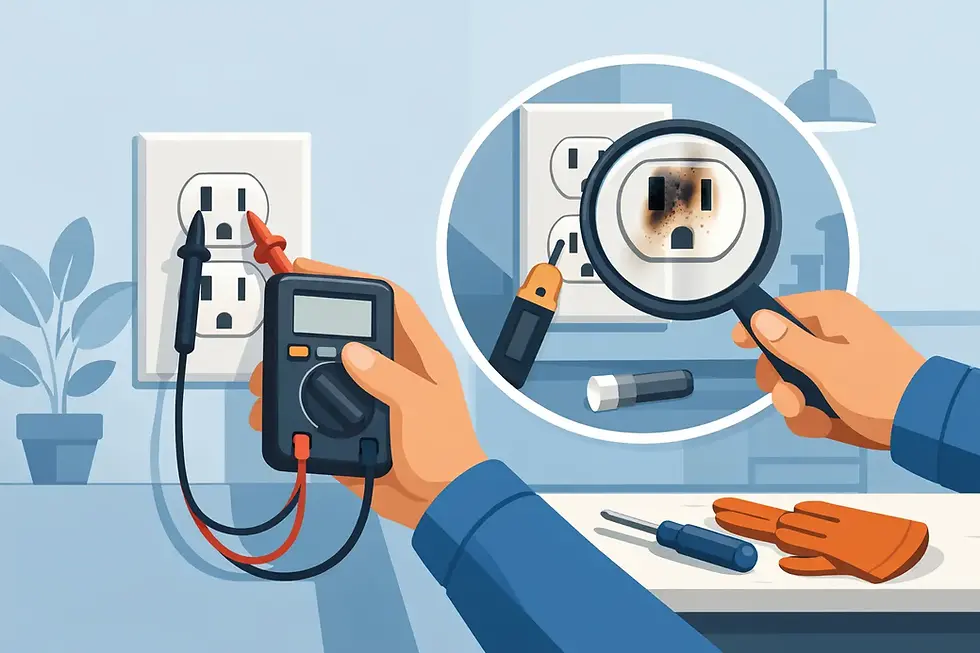
You do not need to wait for a major remodel to ask whether AFCI protection makes sense. It is worth bringing up if breakers trip for unclear reasons, lights flicker when nothing obvious is overloaded, or outlets and switches show signs of wear.
It also makes sense to ask when you are replacing a panel, updating old outlets, adding lighting, finishing a room, or buying an older home. These are the moments when electrical improvements are easier to plan and often more cost-effective than waiting until a problem appears.
If your home has had a series of electrical add-ons over the years, arc fault protection can be part of getting the system back into a safer, more organized condition.
What if arc fault breakers keep tripping?
A tripping AFCI breaker does not always mean the breaker is bad. It may be reacting to a loose connection, damaged cord, failing device, or wiring issue inside the circuit. Some older appliances and electronics can also create patterns that are harder for certain AFCI devices to sort out, though product design has improved over time.
The important thing is not to treat repeated tripping like a nuisance to work around. If the breaker trips more than once, there is a reason. Sometimes the fix is simple, like replacing a worn receptacle. Other times it takes troubleshooting through the circuit to find a hidden defect.
This is where homeowners benefit from a service call instead of guesswork. The goal is not just getting the breaker to stay on. The goal is making sure the circuit is safe and dependable.
The practical answer for Omaha homeowners
If you are asking do I need arc fault breakers, you probably fall into one of three groups. You are either upgrading electrical equipment, dealing with a breaker issue, or trying to understand what your home actually needs before starting a project.
In all three cases, the answer depends on the age of the home, the condition of the wiring, and the scope of the work. Newer work usually means more AFCI requirements. Older homes may not require a full-house upgrade, but they can still benefit from targeted protection. And if a panel replacement or remodel is on the table, this is the right time to ask the question before the work starts.
For many homeowners, the smartest move is not trying to memorize code language. It is having the system looked at by a qualified residential electrician who can explain what is required, what is recommended, and what makes sense for your budget and home.
At Proton Electric, that kind of conversation is part of helping homeowners make practical decisions without the runaround. Electrical safety should be clear, not confusing.
If your home is older, your panel is due for an upgrade, or a breaker problem keeps coming back, arc fault protection is worth a closer look. A small change at the panel can make a real difference behind the walls where you cannot see what is happening.

Comments