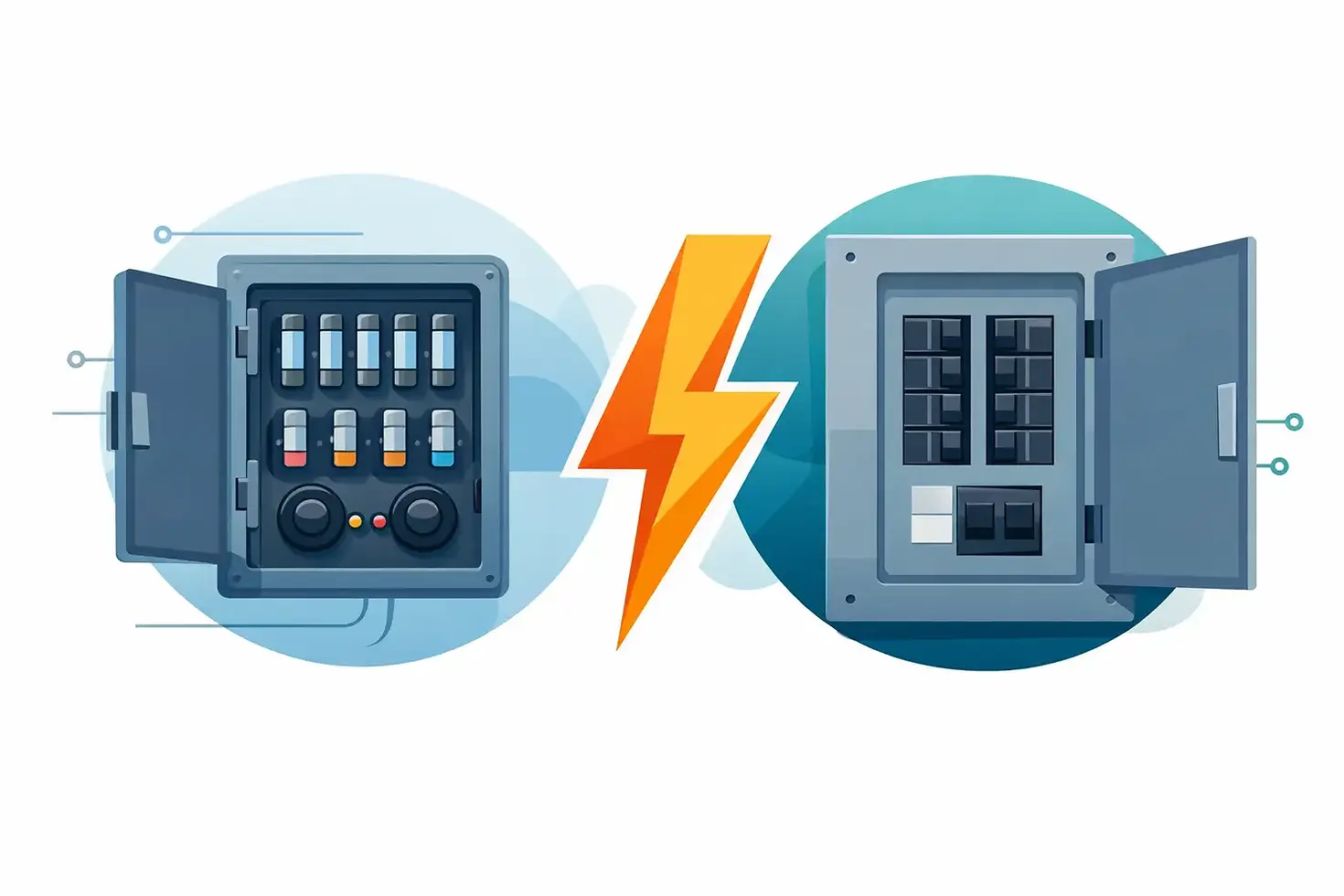
Fuse Box vs Breaker Panel: What to Know
- Derek Curtis
- May 2
- 6 min read
If you have ever opened a utility room door and wondered whether your home has a fuse box or a breaker panel, you are not alone. The fuse box vs breaker panel question usually comes up when lights start flickering, circuits overload, or a home inspection points out an outdated electrical system. For homeowners in Omaha, it is not just a technical detail. It affects safety, convenience, insurance, and whether your electrical system can keep up with modern living.
Fuse box vs breaker panel: the basic difference
A fuse box and a breaker panel do the same core job. They protect your home by stopping electrical overloads that could damage wiring or create a fire risk. The difference is how they shut power off.
A fuse box uses fuses. Inside each fuse is a metal strip that melts when too much current passes through it. Once that happens, the fuse is spent and must be replaced. A breaker panel uses circuit breakers instead. When a circuit is overloaded or shorted, the breaker trips and shuts off power. In most cases, you can reset it without replacing anything.
That simple difference changes the day-to-day experience of owning the home. A breaker panel is generally easier to use, more practical for modern electrical loads, and better suited for upgrades and repairs.
Why older fuse boxes can be a problem
Fuse boxes are not automatically unsafe just because they are old. A properly installed fuse system can still provide overload protection. The issue is that many older homes have outgrown the systems they were built with.
Years ago, homes had fewer appliances, less lighting, and almost none of the electronics we rely on now. Today, a single home may have multiple TVs, computers, kitchen appliances, bathroom devices, HVAC equipment, chargers, and outdoor lighting all drawing power throughout the day. A fuse box that worked fine decades ago may now be undersized for the way the home is used.
There is also a real risk when homeowners try to work around blown fuses. One common example is replacing a blown fuse with the wrong size. That can allow too much current to flow before the circuit is interrupted, which raises the risk of overheated wires. In some older setups, people have even used improper substitutes instead of the correct fuse, which is dangerous.
Another concern is age and condition. Corrosion, loose connections, and worn components can all affect how reliably an older fuse box performs. If the system has been modified over the years, the condition inside the box may not match what it looks like from the outside.
Why breaker panels became the standard
Breaker panels became the standard for a reason. They are more convenient, easier to service, and better aligned with modern electrical needs.
When a breaker trips, you can usually reset it once the underlying issue is addressed. That is much simpler than keeping spare fuses on hand and figuring out which one needs replacement. Breaker panels also make it easier for electricians to organize circuits, add dedicated lines for new appliances, and expand the system when a home is remodeled.
Modern breaker panels can also support safety devices that older fuse systems typically do not. Depending on the setup, this may include protection designed to reduce shock risk or detect certain dangerous arc faults. These features matter in kitchens, bathrooms, bedrooms, garages, and outdoor areas where modern code standards place extra emphasis on safety.
For many homeowners, the real benefit is capacity. Breaker panels are generally designed to handle the electrical demands of today’s homes more effectively than older fuse boxes.
How to tell which one you have
In many homes, the difference is easy to spot. If the electrical box contains round, screw-in components or cartridge-style fuses that need replacement after they blow, you have a fuse box. If it has rows of switches that trip on and off, you have a breaker panel.
That said, homeowners should be careful about opening any electrical panel if they are not sure what they are looking at. Even a quick look can be risky if the panel is damaged or if there are exposed energized parts. If your system is old, unlabeled, or showing signs of trouble, it is better to have it inspected by a licensed electrician.
When a fuse box might still be acceptable
There are situations where a fuse box may still be functioning properly and not causing immediate issues. If the home’s electrical demand is relatively modest, the wiring is in good condition, and the fuse box has been maintained correctly, it may still be operating as intended.
But acceptable and ideal are not the same thing. A fuse box can still limit your options if you want to add new lighting, install a dishwasher, upgrade a kitchen, finish a basement, or add equipment such as a hot tub or EV charger. Even if it is technically working, it may not be the right long-term fit for the home.
This is where a professional evaluation matters. The right answer depends on the size of the service, the condition of the wiring, the number of circuits, and what you want your electrical system to support now and later.
Signs it may be time to upgrade from a fuse box
A fuse box does not need to be failing completely before replacement makes sense. In many homes, the warning signs are more subtle.
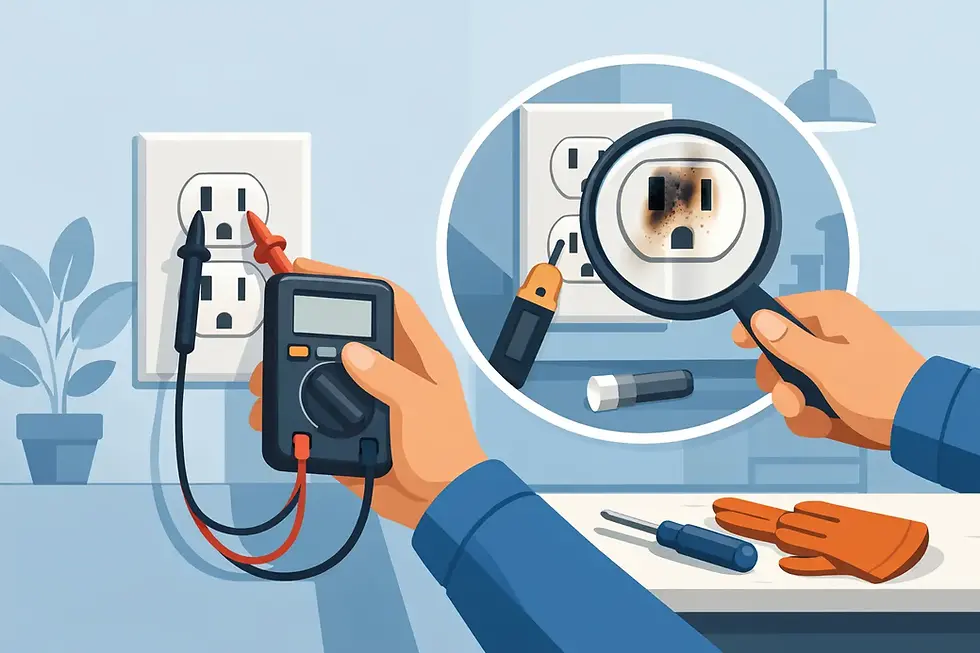
If fuses blow often, circuits feel overloaded, or you rely on power strips and extension cords because there are not enough usable outlets, your electrical system may be stretched too thin. Dimming lights, warm outlets, buzzing sounds, or a burning smell should also be taken seriously.
You may also want to consider an upgrade if you are planning renovations or adding major appliances. Newer kitchens, laundry areas, and home offices often need dedicated circuits. Older fuse boxes usually are not designed for that kind of expansion.
Insurance and resale can also come into play. Some insurance carriers are cautious about older electrical systems, and home buyers may see a fuse box as a future expense or safety concern.
Fuse box vs breaker panel for safety and cost
If you are weighing fuse box vs breaker panel options, safety and cost are usually the biggest factors.
From a safety standpoint, a breaker panel is generally the better fit for a modern home. It is easier to operate correctly, easier to expand, and easier to pair with updated protection features. That does not mean every fuse box is unsafe, but it does mean older systems often come with more limitations and more room for improper use.
From a cost standpoint, keeping a fuse box may seem cheaper in the short term if it is still working. But repeated inconvenience, limited capacity, harder repairs, and the need to upgrade later can make that short-term savings less appealing. If your panel is already struggling, investing in an upgrade can prevent ongoing issues and support future improvements.
The exact price of replacing a fuse box with a breaker panel depends on the home, the service size, permit requirements, grounding, code updates, and whether other wiring issues are uncovered along the way. That is why a clear estimate matters more than a rough guess.
What happens during a panel upgrade
Homeowners sometimes put off a panel replacement because they expect the process to be overwhelming. In reality, a professional panel upgrade is a straightforward project when it is planned properly.
The electrician will first assess your existing service, your current electrical demand, and any visible issues with wiring or grounding. From there, they can recommend the right panel size and explain whether other updates are needed at the same time.
During the replacement, power to the home is typically shut off for part of the day while the old equipment is removed and the new panel is installed. The circuits are transferred, labeled, and tested. Depending on the home and the scope of work, there may also be coordination with the utility and inspections.
For Omaha homeowners, working with a residential electrician who understands local homes and service needs can make the process much easier. Companies like Proton Electric focus on practical recommendations, clear estimates, and work that supports how people actually use their homes.
The right choice depends on your home
Not every older home needs the same solution. Some homes need a full panel replacement right away. Others may need a service upgrade, circuit additions, or a broader look at aging electrical components. The goal is not to replace equipment just because it is old. The goal is to make sure your electrical system is safe, dependable, and able to support your daily life without constant workarounds.
If your home still has a fuse box, it is worth asking whether that system matches the way you live now, not the way homes were wired decades ago. A good electrical system should not be something you have to think about every time you plug something in. It should simply work, safely and consistently, in the background.
Comments