Breaker Panel Lifespan Guide for Homeowners
- Derek Curtis
- Jun 19
- 5 min read
A breaker panel rarely gets much attention until something starts acting strange - a breaker trips for no clear reason, lights flicker when an appliance kicks on, or there just is not enough room for a new circuit. That is usually when homeowners start looking for a breaker panel lifespan guide and asking the right question: how long should this part of the house really last?
How long does a breaker panel last?
Most residential breaker panels last about 25 to 40 years, but that range is not a guarantee. A panel in a dry, well-maintained home with normal electrical demand may stay serviceable for decades. A panel exposed to moisture, poor installation, heavy loads, or repeated electrical issues can age much faster.
Age alone also does not tell the whole story. A 30-year-old panel is not automatically unsafe, and a 15-year-old panel is not automatically problem-free. What matters is how the panel has performed over time, whether it still meets the home's needs, and whether there are visible or functional warning signs.
For many Omaha homeowners, the bigger issue is that the electrical system was designed for a different era. Older homes were not built around today's demand for larger HVAC systems, kitchen appliances, home offices, EV chargers, and added lighting. Even if the panel still works, it may be at the edge of what it can safely handle.
A practical breaker panel lifespan guide
A good breaker panel lifespan guide should focus on condition, capacity, and safety - not just the date stamped on the equipment.
If your panel is under 20 years old and has had no recurring issues, it may simply need routine evaluation during other electrical work. If it is in the 25 to 40 year range, it deserves closer attention, especially if your home has had renovations, added appliances, or frequent breaker problems. Once a panel is well past that range, replacement often becomes less of an upgrade decision and more of a risk management decision.
There is also a difference between a panel that is old and a panel that is obsolete. Some older panels were built well and can remain functional with proper care. Others are tied to known reliability concerns, outdated designs, or parts that are harder to source. In those cases, waiting too long can turn a manageable project into an urgent repair.
What shortens panel life?
Heat is one of the biggest factors. Breaker panels are designed to manage electrical load, but repeated overheating wears down breakers, connections, and internal components. Loose connections can create hot spots. Overloaded circuits can strain the system. If a panel has been running near capacity for years, that wear adds up.
Moisture is another major issue. Basements, garages, and exterior-mounted equipment can all be affected by humidity or water intrusion. Rust, corrosion, and oxidation inside a panel are not cosmetic issues. They can interfere with proper electrical contact and increase the chance of failure.
Poor workmanship can shorten lifespan too. Double-tapped breakers, messy wiring, undersized components, or previous patchwork repairs often create long-term reliability problems. A panel may look acceptable from the outside while hiding conditions that an electrician would flag right away.
Then there is simple demand. Homes have changed. If your panel was installed when a microwave, hair dryer, and window AC unit were considered a big load, it may not be built for modern usage patterns. That does not always mean danger in the moment, but it does mean more stress on the system over time.
Signs your breaker panel may be nearing the end
Some warning signs are obvious, while others are easy to dismiss until they happen more often.
Frequent breaker tripping is one of the most common clues. A breaker that trips occasionally may be doing its job. A breaker that trips repeatedly under normal use suggests either a circuit problem, an overloaded system, or a breaker or panel issue that needs evaluation.
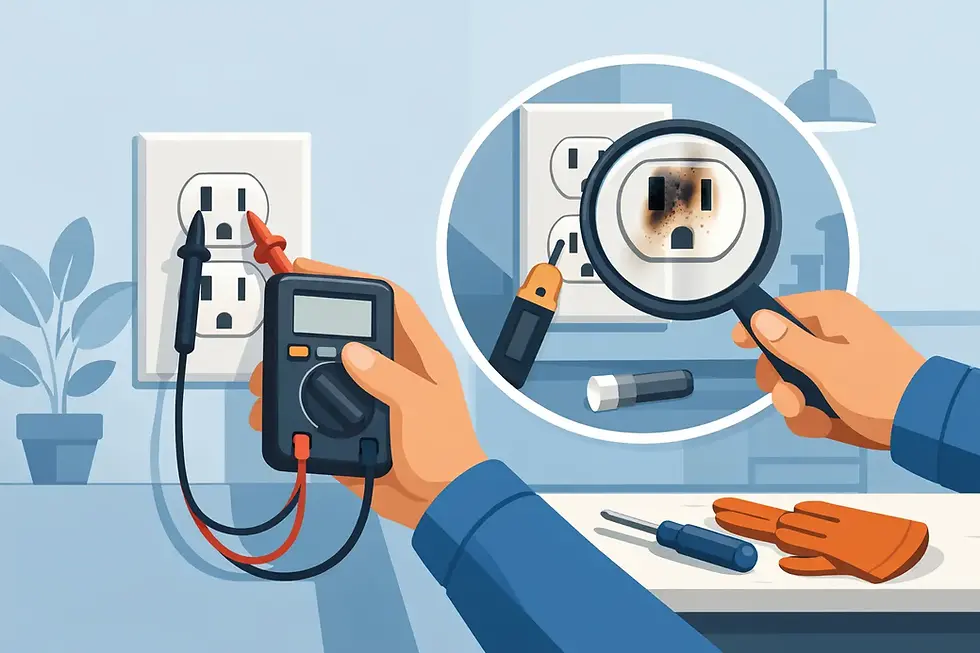
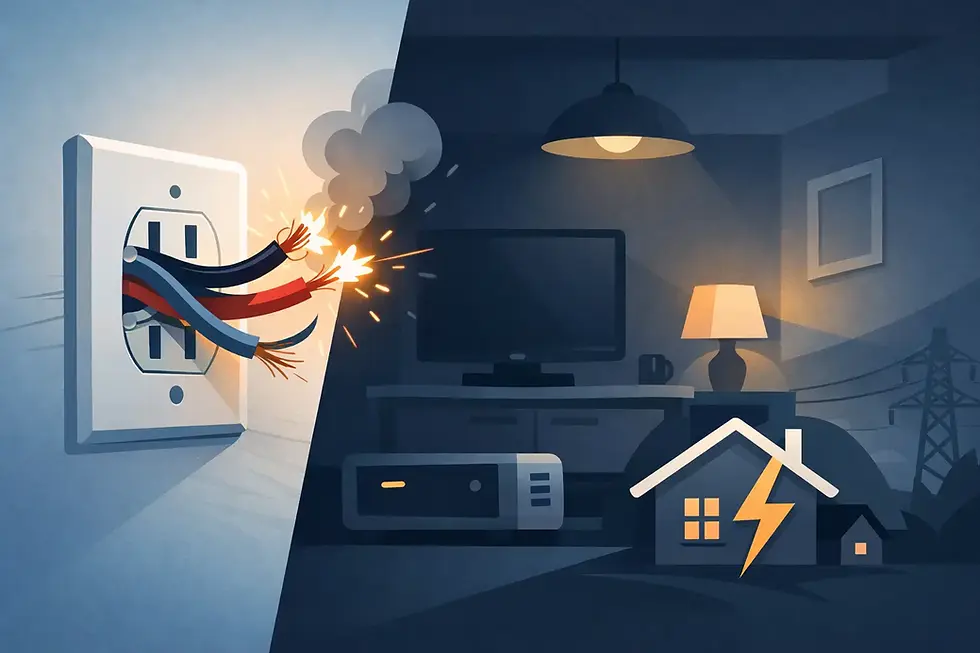
Flickering or dimming lights can also point back to the panel, especially when larger appliances start up. The same goes for breakers that feel hot, a burning smell near the panel, buzzing sounds, or visible rust. If you see discoloration, melted insulation, or signs of arcing, that is no longer a wait-and-see situation.
Another practical sign is lack of space. If your panel is full and your home needs additional circuits, adding more electrical capacity gets harder. Homeowners often run into this during remodels, garage upgrades, hot tub installs, or EV charger planning. At that point, replacement can make more sense than forcing more demand onto an already limited setup.
When repair makes sense and when replacement is smarter
Not every panel problem means the entire panel has to go. In some cases, a bad breaker, a loose connection, or a circuit issue can be repaired without full replacement. That is why a professional inspection matters. The goal is not to replace equipment just because it is old. The goal is to confirm whether the panel is still safe, dependable, and right for the home.
Replacement becomes the smarter move when issues are recurring, the panel is outdated, corrosion is present, capacity is insufficient, or the manufacturer or model has a history of concerns. It also makes sense when homeowners are already planning upgrades that will increase electrical demand. Replacing the panel before those additions can prevent repeat service calls and future limitations.
There is a cost trade-off here. Repair is usually less expensive in the short term. Replacement usually costs more upfront but can solve multiple problems at once - safety concerns, limited capacity, code issues, and room for future circuits. For many homeowners, the best value comes from timing the work before the panel becomes an emergency.
Why panel age matters more during home upgrades
Electrical panel problems often come to light during improvement projects rather than during a breakdown. A kitchen renovation, finished basement, new HVAC equipment, or upgraded lighting can all reveal that the panel is already maxed out.
That is one reason panel replacement is not only a repair topic. It is also a home improvement decision. A properly sized, modern panel can support better lighting design, appliance performance, dedicated circuits where needed, and safer expansion later. It can also reduce the temptation to rely on extension cords, overloaded power strips, or circuit-sharing workarounds that were never meant to be permanent.
For homeowners thinking long term, this matters. If you expect to stay in the home, electrical capacity should grow with the way you use the house. If you plan to sell, an aging or obviously undersized panel can raise concerns for buyers, inspectors, and insurers.
How often should a panel be checked?
There is no universal rule that says every panel needs inspection on a fixed annual schedule, but it should be evaluated anytime there are recurring electrical issues, visible signs of wear, or plans for added load. Older homes especially benefit from a professional look before major upgrades begin.
If your home still has an older panel and you are not sure about its age, model, or condition, getting clarity now is easier than troubleshooting after a failure. A qualified residential electrician can assess the panel, look for signs of overheating or corrosion, evaluate available capacity, and explain whether repair, monitoring, or replacement makes the most sense.
For Omaha-area homeowners, that kind of practical guidance is often more useful than a generic timeline. Every home is a little different. The right answer depends on age, usage, installation quality, and what you want your electrical system to handle over the next several years.
The safest way to use this breaker panel lifespan guide
Use this breaker panel lifespan guide as a way to start the conversation, not to self-diagnose a live electrical panel. If your panel is several decades old, showing signs of wear, or struggling to keep up with your household, it is worth having it looked at before a small issue turns into a bigger one.
A dependable electrical system should not make you guess. If your panel is outdated, undersized, or simply showing its age, addressing it now can make your home safer, more functional, and easier to improve later.
Comments