
7 Best Upgrades for Old Wiring
- Derek Curtis
- May 24
- 6 min read
That flickering kitchen light or warm outlet is not just annoying - it is often your home telling you the electrical system is falling behind. When homeowners ask about the best upgrades for old wiring, they are usually trying to solve two problems at once: safety now and better day-to-day performance later.
In older Omaha homes, wiring problems rarely show up in one neat, obvious way. You might notice breakers tripping when the microwave and toaster run together, outlets with no grounding, dim lights when an appliance starts, or too few receptacles for how your family actually uses the space. The right upgrade depends on the age of the home, the condition of the wiring, and whether you are fixing a hazard, planning a remodel, or trying to avoid bigger repairs down the road.
What makes old wiring worth upgrading?
Old wiring is not always dangerous just because it is old. The issue is that many older systems were designed for a very different kind of household. Decades ago, homes did not need to support multiple TVs, work-from-home equipment, larger kitchen appliances, EV chargers, or today’s lighting and device loads.
Materials matter too. Some homes still have two-prong outlets, ungrounded branch circuits, worn insulation, or panels that no longer offer enough space or capacity. Even when the system still works, age can bring loose connections, brittle insulation, and inconsistent performance. That is where targeted upgrades make a real difference.
Best upgrades for old wiring that give the most value
Not every home needs a full rewire. In many cases, the best investment is a group of practical improvements that address the biggest risks first and improve how the house functions every day.
1. Electrical panel replacement
If your home still has an outdated panel, this is often the first place to look. An older panel can limit what your home can safely handle, especially if you are adding appliances, finishing a basement, or planning future upgrades.
A panel replacement can improve safety, create room for new circuits, and help your electrical system distribute power more reliably. It can also solve the patchwork problem many older homes develop over time, where new circuits were added around an aging core system that was never meant to support modern demand.
This is not always the cheapest upgrade, but it is often the one that makes the rest of the system improvements possible.
2. Grounding and GFCI protection
Many older homes have ungrounded outlets, especially in bedrooms, living rooms, and other original areas of the house. Grounding helps reduce shock risk and supports safer operation for many devices and appliances.
In kitchens, bathrooms, garages, laundry rooms, basements, and outdoor areas, GFCI protection is a major safety upgrade. These devices are designed to shut off power quickly when they detect a ground fault. In the right locations, this is one of the most important code-related improvements you can make.
There is some nuance here. In certain cases, electricians can improve protection without opening every wall in the home, while other situations may call for more extensive rewiring. It depends on the wiring path, access, and the condition of the existing circuits.
3. Replacing worn outlets, switches, and devices
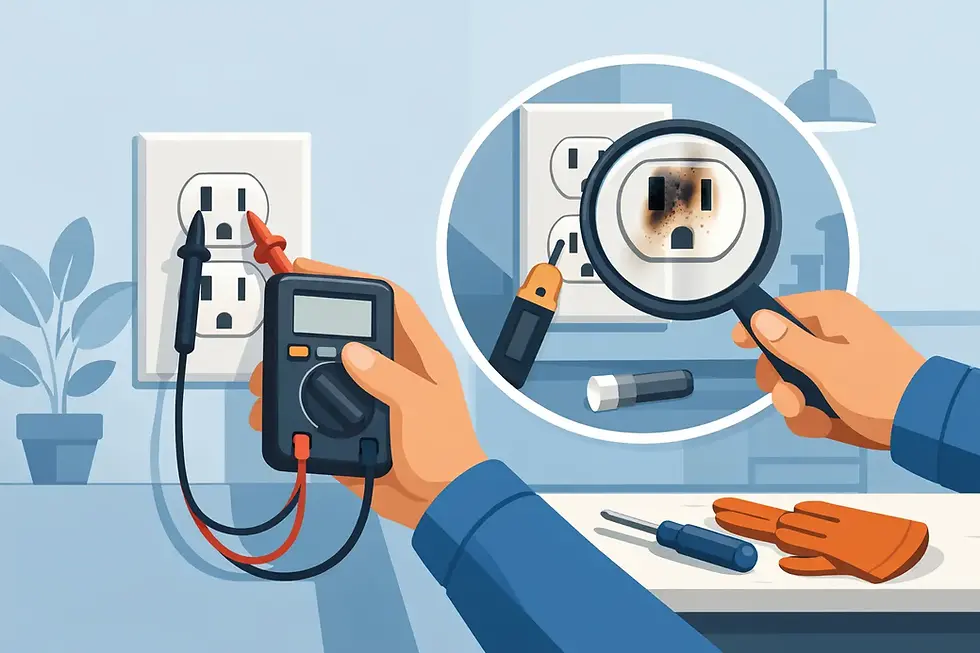
Sometimes the problem is not hidden in the walls. It is right at the point of use. Loose outlets, cracked switch plates, backstabbed devices, scorched receptacles, and outlets that no longer hold plugs firmly are common in older homes.
Replacing these devices is a relatively straightforward way to improve both safety and usability. Tamper-resistant receptacles, properly grounded outlets, dimmer-ready switches, and updated bathroom or kitchen devices can all make the system feel more dependable.
This kind of work also gives an electrician a chance to catch signs of heat damage or wiring issues before they grow into a larger repair.
4. Adding dedicated circuits where your home needs them most
A lot of older wiring issues are really load issues. The circuit is working, but too many things are trying to use it. Kitchens are a prime example. So are laundry areas, garages, workshops, and home offices.
Adding dedicated circuits helps prevent nuisance breaker trips and reduces strain on older branch wiring. If you have a refrigerator sharing power with countertop appliances, or a home office running on the same circuit as bedroom outlets, that setup may no longer match how the space is used.
Dedicated circuits are one of the best upgrades for old wiring because they solve a practical problem homeowners feel every day. They also support future projects like a basement finish, a sump pump circuit, or a garage upgrade.
5. AFCI protection for added fire safety
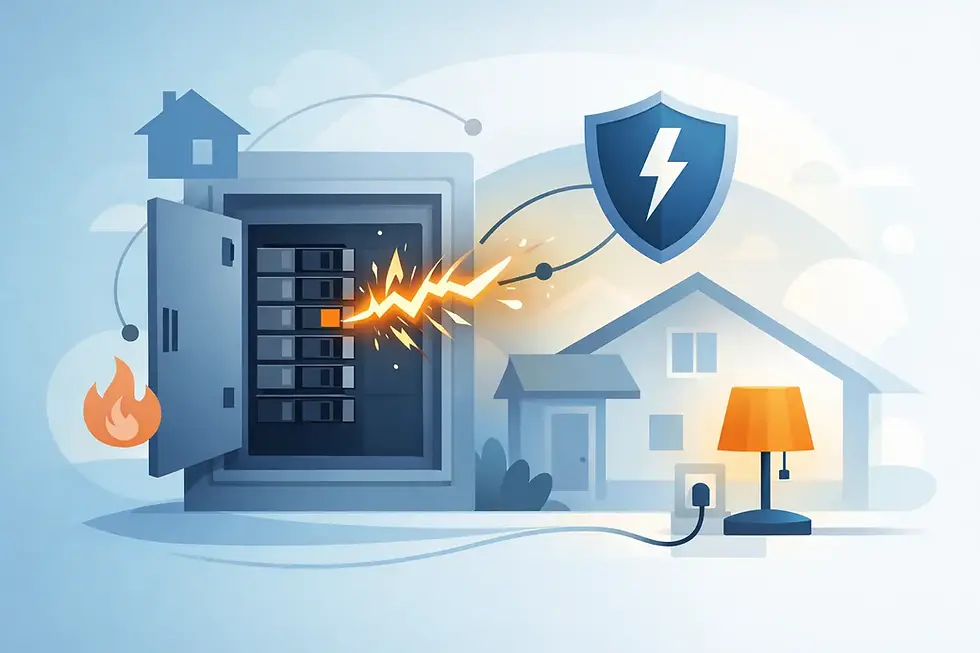
Arc fault circuit interrupter protection, often called AFCI protection, is designed to help detect dangerous arcing conditions that standard breakers may miss. This matters in older homes, where aging wire connections and damaged insulation can increase fire risk.
Bedrooms, living spaces, and other finished areas may benefit from AFCI upgrades depending on the existing panel and circuit layout. As with any safety upgrade, there is no one-size-fits-all answer. Some homes can be updated more easily than others.
Still, if your goal is to make an older home safer without jumping straight to a full rewire, AFCI protection is worth discussing with a licensed electrician.
When a partial rewire makes more sense than small fixes
There are times when replacing devices and adding protection is not enough. If parts of the home still have obsolete or deteriorated wiring, a partial rewire may be the smarter investment.
This is especially true if you have repeated electrical problems in the same area, visible signs of damaged wiring, or renovation plans that will already open up walls and ceilings. In those cases, it can be more cost-effective to update the wiring while access is available rather than patching around it.
A partial rewire often makes sense in kitchens, bathrooms, additions, finished basements, and older bedrooms with too few outlets. It can bring those spaces up to a much more practical standard without turning the entire home into a full remodel project.
Lighting upgrades can take pressure off older systems too
Homeowners do not always think of lighting as part of a wiring upgrade, but it often is. Replacing outdated fixtures, correcting poor connections, and converting older lighting setups to more efficient options can improve both safety and performance.
If your lights dim when other appliances start, flicker for no clear reason, or rely on aging switches and fixture boxes, those are signs the lighting side of the system deserves attention. Updated lighting can also reduce load in some areas, especially when older fixtures are inefficient or poorly connected.
For many families, this is where safety and comfort overlap. Better lighting in kitchens, hallways, outdoor spaces, and living areas makes the house feel better to use while also addressing electrical concerns.
How to decide which upgrade should come first
The right order depends on what your home is telling you. If you have burning smells, buzzing, hot outlets, or breakers that trip repeatedly, safety repairs should come first. If your panel is outdated or undersized, start there because many other improvements depend on it.
If the system is mostly safe but frustrating to live with, look at the spaces where electrical demand has changed the most. Kitchens, bathrooms, garages, laundry rooms, and home offices usually offer the clearest return because they combine daily use with higher load demands.
Budget matters too, and that is where a good estimate helps. Some homeowners need a phased plan rather than one large project. That is a practical approach. It is better to prioritize the most important upgrades now than to keep living with known electrical issues because a full overhaul is not realistic this month.
Why professional evaluation matters with old wiring
Older electrical systems can hide problems that are not obvious from the surface. A two-prong outlet does not tell the whole story. Neither does a breaker that only trips once in a while. What looks like a minor inconvenience can point to loose terminations, overloaded circuits, or aging wiring that needs a closer look.
A licensed residential electrician can identify what is actually outdated, what is unsafe, and what can remain in service with the right improvements. That keeps you from overspending in one area while missing a more urgent problem somewhere else.
For homeowners in Omaha, working with a local company that understands older housing stock and modern residential needs makes the process much simpler. Proton Electric focuses on practical home upgrades that improve safety, function, and everyday confidence in your electrical system.
If your home has been sending small warning signs for a while, this is a good time to listen before those signs turn into a larger repair.

Comments