
How to Update Lighting in Your Home
- Derek Curtis
- Apr 19
- 6 min read
A room can have fresh paint, good furniture, and the right flooring and still feel off if the lighting is wrong. If you are wondering how to update lighting in your home, the goal is not just to make rooms brighter. It is to make your home safer, more comfortable, and easier to live in every day.
For many Omaha homeowners, lighting updates start with a problem. A kitchen feels dim over the counters. A bathroom has shadows at the mirror. A living room relies on one old ceiling fixture that never seems to do enough. The good news is that a smart lighting upgrade can solve these issues without turning your home into a major remodel.
How to update lighting in your home with a plan
The best lighting updates start by looking at how each room is actually used. That matters more than picking fixtures based on style alone. A dining room needs a different approach than a laundry room, and a home office has different lighting needs than a bedroom.
Start by walking through your house at different times of day. Notice where you squint, where shadows fall, and where you rely too much on lamps or extension cords. Pay attention to rooms that feel flat, dark, or harsh. Those are usually signs that the lighting layout, fixture choice, or bulb color is not working.
It also helps to think in layers. Most homes work better when lighting is split into ambient lighting for overall brightness, task lighting for work areas, and accent lighting for features you want to highlight. A single overhead fixture often cannot do all three well.
Focus on function before style
Style matters, but function should lead. A beautiful fixture that leaves your kitchen prep area dark is not an upgrade. The same goes for a trendy bathroom light that casts unflattering shadows or a dining room pendant hung at the wrong height.
In kitchens, brighter task lighting usually makes the biggest difference. Under-cabinet lighting, recessed lights over work zones, and updated pendants over an island can improve both visibility and appearance. In bathrooms, even light on both sides of a mirror often works better than one fixture above it. In bedrooms, many homeowners prefer a softer mix of ceiling lighting, bedside lamps, and dimmer control.
Living rooms and family rooms are where flexibility matters most. Some people want bright light for cleaning and softer light for relaxing. That is where multiple fixtures and dimmers can turn one room into a much more useful space.
Replace outdated fixtures where they matter most
Not every fixture in your house needs to be changed at once. If you want the biggest impact, start with rooms you use every day. Kitchens, bathrooms, entryways, and main living areas usually give you the best return in comfort and appearance.
Outdated fixtures can affect more than looks. Older lights may provide uneven coverage, use more energy, or show signs of wear such as flickering, heat, or brittle wiring at the connection points. In some cases, what looks like a simple fixture replacement can reveal an older electrical box, poor support, or wiring concerns that should be addressed correctly.
That is why lighting upgrades are not always just decorative. They can be part of keeping your home's electrical system safer and more reliable.
Good fixture choices depend on the room
Recessed lighting can clean up a ceiling and spread light evenly, but it is not right for every space. Pendants add style and task lighting, though spacing and height have to be right. Flush-mount fixtures work well in lower ceilings, while chandeliers fit better in rooms with more height and visual space.
Wall sconces can improve hallways, bathrooms, and bedrooms, especially when overhead light feels too harsh. Exterior and landscape lighting also deserve attention. Good outdoor lighting adds safety around walkways, steps, and entry doors while making the home feel more welcoming.
Choose the right bulb color and brightness
A lot of homeowners update a fixture and still feel disappointed because the bulbs are wrong. Brightness and color temperature change the entire feel of a room.
Warm white light tends to feel more comfortable in living rooms, bedrooms, and dining spaces. Cooler white light often works better in kitchens, bathrooms, garages, and work areas where visibility matters more. If a home has mismatched bulb colors from room to room, or even in the same fixture, the result can feel uneven and unfinished.
Brightness matters too. More light is not always better. Too much brightness in a small room can feel harsh, while too little in a task-heavy space becomes frustrating. Dimmable fixtures are often worth it because they let you adjust based on the time of day, the season, and how the room is being used.
Add dimmers and better controls
One of the most practical ways to update lighting in your home is to improve how lights are controlled. A new fixture helps, but control is what makes lighting easier to live with.
Dimmers are useful in bedrooms, dining rooms, living rooms, and bathrooms. They let you brighten a room when needed and soften it when you want a more relaxed setting. Motion sensors can be helpful in garages, laundry rooms, closets, and outdoor areas. Timers and smart switches can also make exterior lighting more dependable.
That said, compatibility matters. Not every LED bulb works well with every dimmer, and some older wiring setups may limit your options. It is better to check that components work together than to install a system that hums, flickers, or fails early.
Watch for signs of electrical issues
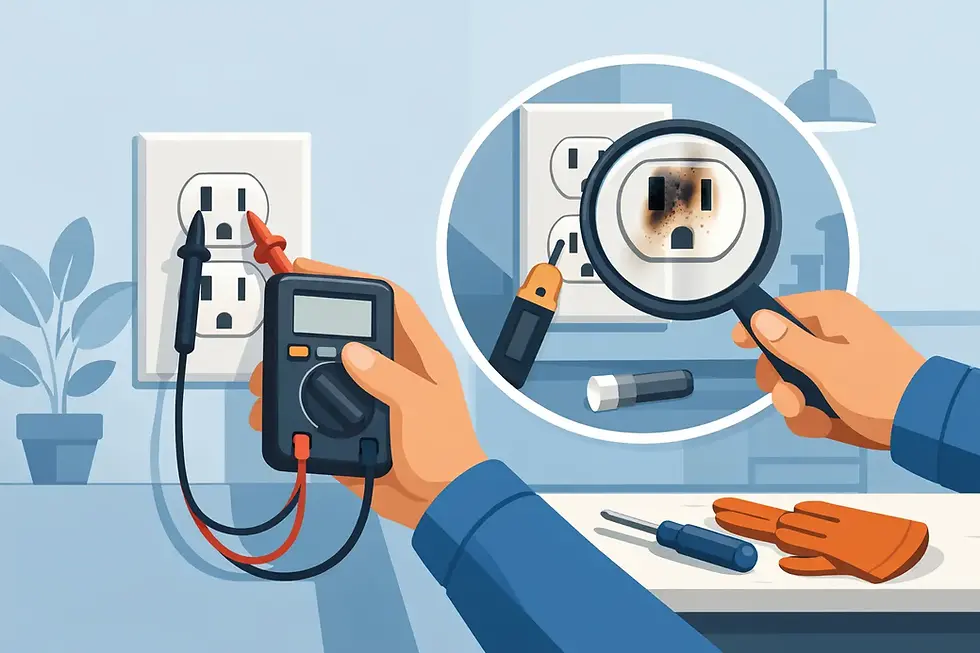
Sometimes a lighting upgrade uncovers a larger electrical problem. If lights flicker regularly, breakers trip, switches feel warm, or fixtures buzz, it is worth taking seriously. These symptoms may point to a loose connection, overloaded circuit, aging wiring, or a panel issue.
This is especially important in older homes. Many houses were built for much lighter electrical demand than families use now. Adding recessed lighting, replacing old fixtures, or installing outdoor lighting may be the right time to see whether the existing wiring and panel can support the upgrade safely.
A licensed electrician can also check whether junction boxes are rated to support heavier fixtures, whether grounding is in place, and whether switch locations still make sense for how you use the room today.
Think about energy savings without sacrificing comfort
Lighting updates can lower energy use, but comfort still comes first. LED lighting is the standard choice now because it lasts longer and uses less electricity than older bulbs. It also creates less heat, which is a practical advantage during warmer months.
Still, efficiency should not push you into a lighting setup you do not enjoy. Some homeowners focus so much on wattage and bulb life that they end up with rooms that feel too cool or clinical. The better approach is to choose efficient lighting that also fits the mood and purpose of each space.
In many homes, the best results come from a combination of upgraded fixtures, quality LED bulbs, and better switching. That approach improves both daily use and long-term operating cost.
When professional help makes sense
There are small lighting changes homeowners can handle on their own, like changing bulbs or swapping a simple lamp. But hardwired lighting work is often more involved than it first appears. Replacing fixtures, adding recessed lights, moving switches, installing new circuits, or upgrading exterior lighting should be done correctly and safely.
A professional can help you avoid common problems such as poor fixture placement, overloaded circuits, unsupported ceiling boxes, and code issues. Just as important, they can help you make decisions that fit your home instead of copying a lighting idea that looked good somewhere else but does not solve your actual needs.
For local homeowners, working with a residential electrician who understands older homes, modern lighting options, and everyday family use can save time and prevent costly do-overs. Companies like Proton Electric focus on practical solutions that improve both safety and function, which is exactly what a good lighting upgrade should do.
Make the update feel natural to your home
The best lighting upgrades do not feel forced or overdone. They make your home easier to cook in, get ready in, relax in, and move through at night. Some homes need a full refresh in a few key areas. Others just need better bulbs, dimmers, and one or two fixture replacements in the right spots.
If you are deciding how to update lighting in your home, start with the rooms that frustrate you most. Better lighting should solve a daily problem, not just add a new fixture to the ceiling. When the plan is built around how your household actually lives, the improvement is hard to miss.
Comments