
Electrical Safety Inspection Guide for Omaha Homes
- Derek Curtis
- 11 minutes ago
- 6 min read
A breaker that trips once may be a minor overload. A breaker that trips repeatedly, a warm outlet, or lights that dim when an appliance starts can be your home asking for attention. This electrical safety inspection guide helps Omaha homeowners understand what to watch for, what a qualified electrician checks, and when an electrical concern should move to the top of the to-do list.
Electrical systems tend to stay out of sight until something stops working. That is why routine inspection matters. It can identify worn components, outdated protection, overloaded circuits, and installation issues before they become a more expensive repair or a fire hazard.
When should a home have an electrical safety inspection?
There is no single schedule that fits every house. A newer home with a properly sized panel and recent upgrades may need a closer look less often than an older Omaha home with original wiring, a growing family, and years of added appliances.
A professional inspection is especially worthwhile after buying an older home, completing a major remodel, adding high-demand equipment, or experiencing storm damage or water intrusion. It is also a smart step if your insurance company, home inspector, or electrician has raised concerns about the panel, wiring, or grounding.
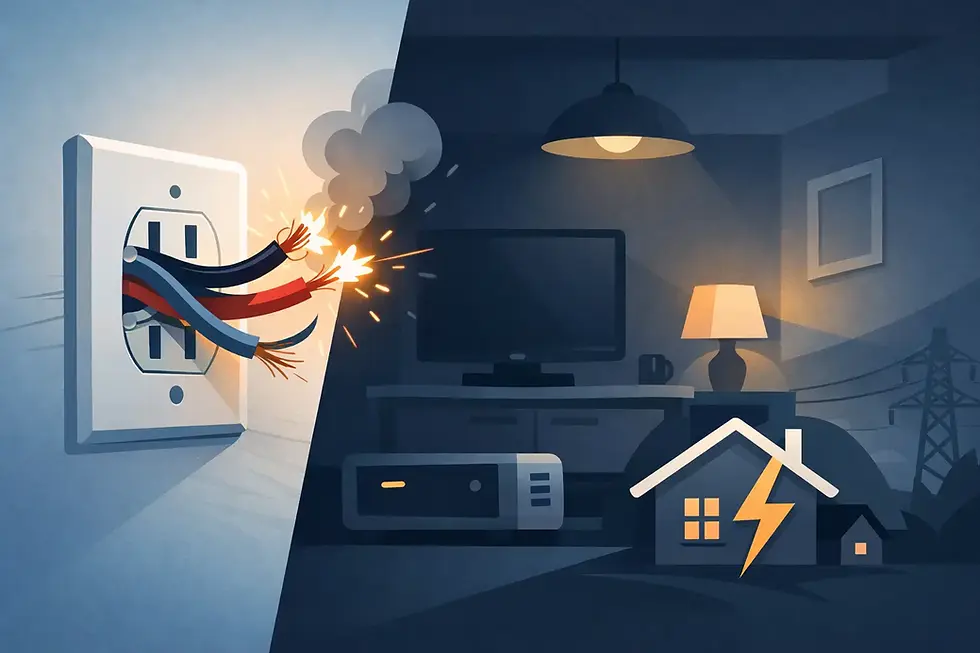
Homeowners should not wait for a renovation to schedule service if warning signs are already present. Recurring breaker trips, flickering lights, buzzing switches, shocks or tingling from devices, burning odors, and discolored outlets all deserve prompt attention. Turn off power to the affected area if it can be done safely, avoid using the device or circuit, and call a qualified electrician.
What a professional electrical safety inspection covers
A real inspection is more than flipping breakers and looking at outlets. The scope depends on the age and condition of the home, the issue that prompted the visit, and whether recent work or additions need to be evaluated.
The electrical panel and circuit protection
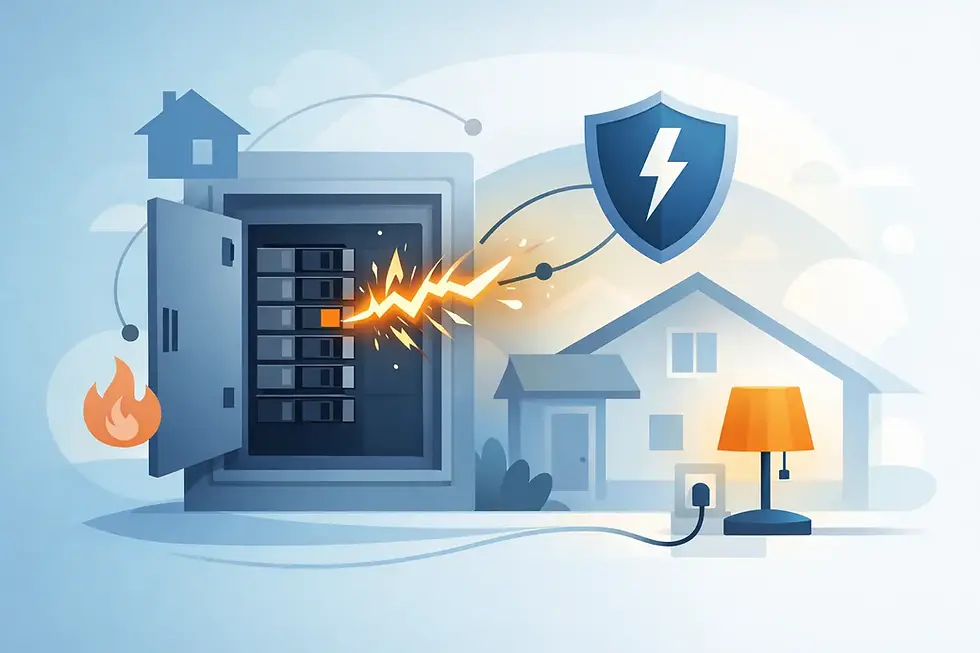
The panel is the control center for your home electrical system. An electrician checks for signs of overheating, corrosion, loose connections, damaged breakers, improper labeling, and capacity concerns. Panel labeling matters more than many homeowners realize. In an emergency or during a repair, you should be able to identify which breaker controls each area of the home.
The inspection may also address whether the home has appropriate modern protection. Ground-fault circuit interrupters, commonly called GFCIs, help protect against shock in wet or damp locations such as bathrooms, kitchens, garages, basements, laundry areas, and outdoor spaces. Arc-fault circuit interrupters, or AFCIs, are designed to detect certain dangerous arcing conditions that can occur with damaged wiring or cords.
Not every older home can or should be upgraded in exactly the same way. Existing wiring methods, panel capacity, local code requirements, and the planned project all affect the best solution. An electrician can explain where upgrades are necessary, where they are recommended, and what can be planned in phases.
Outlets, switches, and connected devices
Loose outlets, cracked faceplates, switches that feel hot, and plugs that fall out easily are not cosmetic problems. They can point to worn devices, poor connections, or damage inside the electrical box.
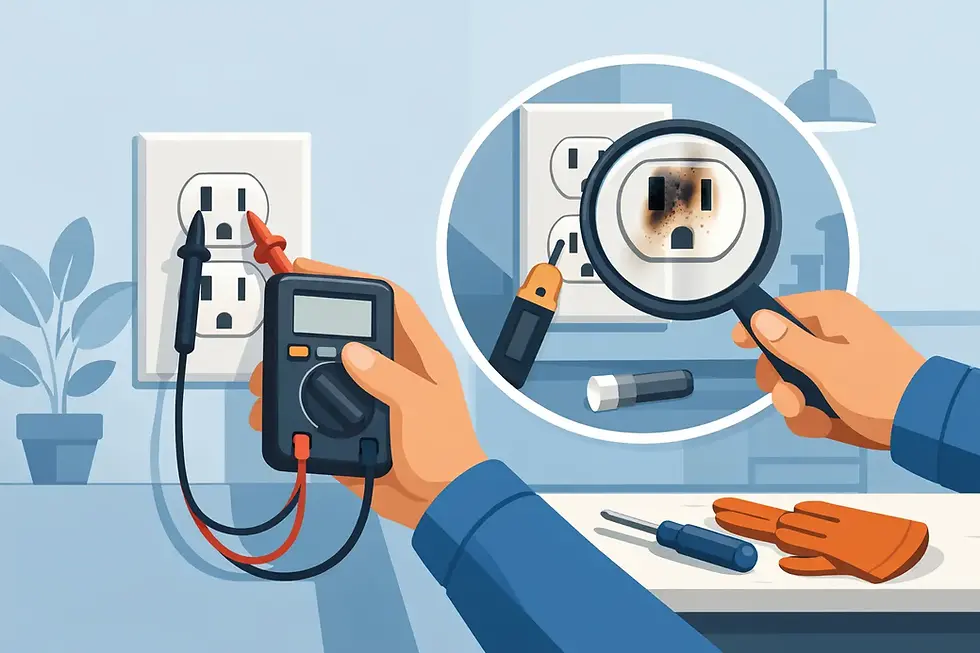
During an inspection, an electrician may test receptacles for correct polarity and grounding, check GFCI operation, inspect visible wiring conditions, and look for devices that are loose, damaged, or improperly installed. They can also identify locations where outlet placement no longer fits how your family uses the room.
For example, heavy reliance on extension cords and power strips may indicate that a space needs additional receptacles or a dedicated circuit. The answer is not always a major rewire. Sometimes a targeted device replacement or new circuit provides a practical improvement without turning the project into a whole-home overhaul.
Wiring, grounding, and visible connections
Older homes can contain a mix of wiring from different eras, especially if previous owners completed partial updates. That does not automatically mean the system is unsafe. It does mean the home should be evaluated carefully, particularly if you are adding new loads such as a garage freezer, workshop equipment, a hot tub, or an electric vehicle charger.
An inspection looks for exposed conductors, damaged cable jackets, improper splices, open junction boxes, poor grounding, and signs of rodent or moisture damage. Basements, attics, garages, crawl spaces, and exterior equipment often reveal conditions that are easy to miss during everyday life.
Grounding deserves professional evaluation because it is not something to guess at by looking at an outlet. A three-prong receptacle does not guarantee that a circuit is properly grounded. Testing and inspection help determine whether the path is correct and whether upgrades are needed.
A homeowner's electrical safety walk-through
You do not need to remove a panel cover or take apart an outlet to notice useful clues. A simple walk-through every few months can help you catch changes early. Look for these common issues:
Outlets, switches, or cords that feel warm, smell burnt, spark, or show discoloration.
Breakers that trip repeatedly or fuses that blow more than once.
Lights that flicker, dim, or brighten unexpectedly when equipment turns on.
Extension cords used as permanent wiring, especially under rugs or through doorways.
Outdoor outlets, lighting, and covers that are cracked, loose, wet, or weather-damaged.
Keep the inspection visual. Do not insert objects into outlets, remove electrical covers, or reset a breaker repeatedly to see if it holds. A breaker is doing its job when it opens during an unsafe condition. The real question is why it tripped.
Omaha weather and outdoor electrical safety
Omaha homeowners deal with summer storms, winter ice, heavy rain, and rapid temperature swings. Those conditions can affect outdoor lighting, receptacles, service equipment, and underground connections.
After severe weather, inspect outdoor electrical equipment from a safe distance. Look for damaged meter equipment, pulled or sagging service components, fallen tree limbs near overhead lines, standing water around electrical equipment, or landscape lights that are no longer operating correctly. Never touch a downed power line or anything in contact with one. Keep others away and contact the utility company or emergency services as appropriate.
Outdoor receptacles should have proper weather-resistant covers, and outdoor lighting should be rated and installed for its location. Landscape lighting is a great home improvement project, but poorly protected connections and damaged low-voltage wiring can create reliability and safety problems. Seasonal checks keep small issues from becoming a larger repair.
Inspection findings: what should be fixed first?
A good electrician should help you prioritize, not overwhelm you with a long list of upgrades. Conditions involving overheating, burning odors, exposed wiring, water intrusion, damaged service equipment, or repeated breaker trips generally call for urgent repair.
Other findings may be less immediate but still worth planning for. An aging panel with limited capacity, a lack of GFCI protection in key areas, or insufficient outlets in heavily used rooms can often be addressed as part of a future upgrade. The right timing depends on your budget, the home's condition, and whether you already have a renovation planned.
Ask for clear explanations of the problem, the recommended repair, and the consequences of waiting. You should also understand whether the estimate covers a repair, a replacement, or a larger system improvement. Straight answers make it easier to decide what needs action now and what can be scheduled later.
Why DIY inspection has limits
Homeowners can safely replace a light bulb, test a GFCI using its built-in buttons, or notice a damaged cord. Diagnosing a panel issue, opening electrical boxes, tracing wiring, or replacing breakers is different. Electrical work can involve shock hazards, hidden damage, and code requirements that are not obvious from the outside.
A qualified residential electrician has the tools and experience to test circuits, evaluate load demands, identify improper connections, and make repairs that support the rest of the system. That matters when a project includes panel replacement, new lighting, device upgrades, or troubleshooting a problem that has no clear source.
For Omaha homeowners, Proton Electric can provide a clear assessment of residential electrical concerns and explain practical repair or upgrade options. A professional inspection is not about replacing everything at once. It is about knowing what your home needs to stay safe and work reliably.
If an outlet has changed color, a breaker has become a regular nuisance, or your home simply has not had its electrical system evaluated in years, trust that signal. A timely service call can bring clarity before a small warning becomes an inconvenient or dangerous surprise.
Comments