Why Are Outlets Sparking in Your Home?
- Derek Curtis
- May 16
- 5 min read
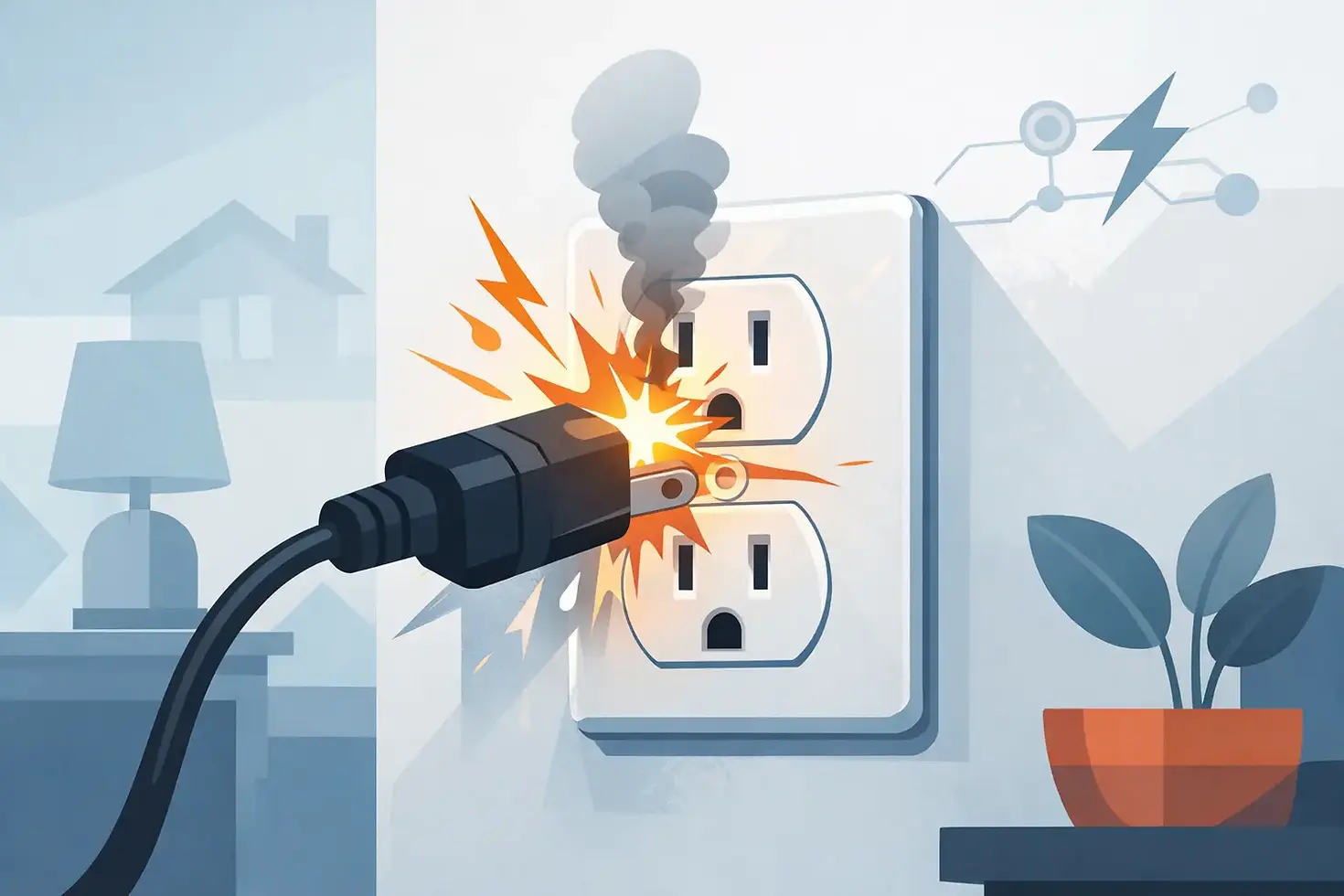
A small flash when you plug something in can stop you in your tracks. If you are asking why are outlets sparking, the short answer is that some sparks are normal, but others point to a problem that should not wait.
The difference comes down to what is happening behind the cover plate. A brief blue spark can happen when electricity jumps as a plug makes contact. That is not automatically a sign of failure. But repeated sparking, larger flashes, burning smells, buzzing sounds, warm outlets, or scorch marks usually mean the outlet, wiring, or connected circuit needs attention.
Why are outlets sparking sometimes?
Not every spark means an emergency. In some cases, a tiny spark appears because the device you are plugging in starts drawing power the moment the prongs touch the receptacle. This is more common with appliances and electronics that use more electricity, such as vacuums, space heaters, hair dryers, or kitchen equipment.
That kind of spark is usually brief, small, and occasional. You should not see a bright burst, hear a pop every time, or notice any smell. If the outlet looks clean and works properly otherwise, the spark may simply be the normal result of power transfer.
Where homeowners get into trouble is assuming every spark falls into that category. If the sparking changes in size, happens often, or comes with other warning signs, there is usually more going on than normal plug-in contact.
Common reasons outlets start sparking
Loose wiring behind the outlet
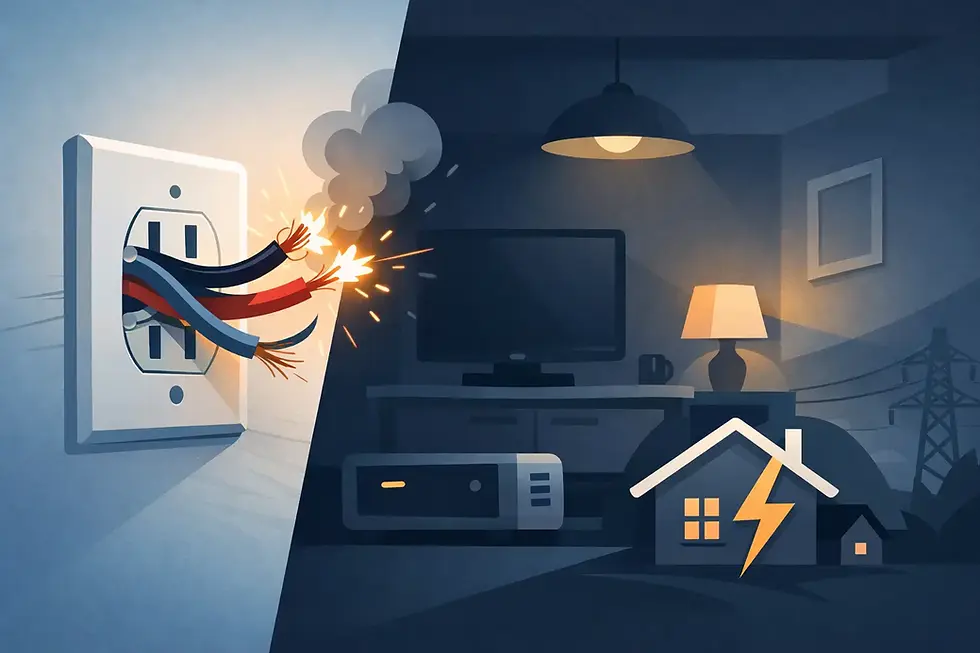
One of the most common causes is a loose wire connection. Over time, wires can shift, terminals can loosen, or older outlets can wear down. When electrical current has to jump a gap instead of flowing through a tight connection, it creates arcing. That arcing produces heat and sparks.
This is one of the more serious causes because arcing can damage the outlet and nearby wiring. It can also increase fire risk if left alone.
Worn-out receptacles
Outlets do not last forever. If plugs feel loose, fall out easily, or need to be held at an angle to work, the internal contacts may be worn. A worn receptacle may not grip the plug prongs tightly enough, which creates poor contact and more opportunity for sparking.
This is especially common in older homes or in outlets that get heavy daily use, such as those in kitchens, bathrooms, and living rooms.
Overloaded circuits or high-demand devices
Some outlets spark because the circuit is under strain. Plugging a high-wattage appliance into an already busy circuit can cause heat buildup and stress on the outlet. The spark itself may be small, but the underlying issue is that the outlet and circuit are being asked to handle more than they should.
It depends on what else is running and whether the circuit was designed for that load. An occasional vacuum on a healthy circuit is one thing. A space heater, microwave, and several other devices competing on the same older branch circuit is another.
Short circuits
A short circuit happens when electricity travels along an unintended path, often because damaged wiring allows conductors to touch where they should not. Shorts can cause stronger sparks, tripped breakers, burning smells, or sudden loss of power.
This is not a wait-and-see issue. If you suspect a short, stop using the outlet and have it inspected.
Water or moisture exposure
Outlets near sinks, bathrooms, basements, garages, and exterior walls can be affected by moisture. Water and electricity are a bad combination, and even small amounts of moisture inside a box can lead to sparking, corrosion, or tripping.
If an outlet has been exposed to water, it should be treated as unsafe until checked. In some cases, the fix is simple. In others, moisture has already damaged the device or wiring.
Cracked plugs, damaged cords, or faulty devices
The outlet is not always the problem. A damaged plug, frayed cord, or failing appliance can create sparks when connected. If one device sparks at multiple outlets, the issue may be with the device itself.
That is why context matters. If several devices spark at one outlet, suspect the outlet. If one device causes trouble everywhere, stop using that device.
Signs the sparking is dangerous
Homeowners often want a clear yes or no answer, but with electrical issues, the details matter. A tiny one-time spark may be normal. These signs are not.
Burning smell
If you notice a fishy, plastic, or burning odor near an outlet, shut off use right away. Heat may already be damaging insulation or the receptacle body.
Scorch marks or discoloration
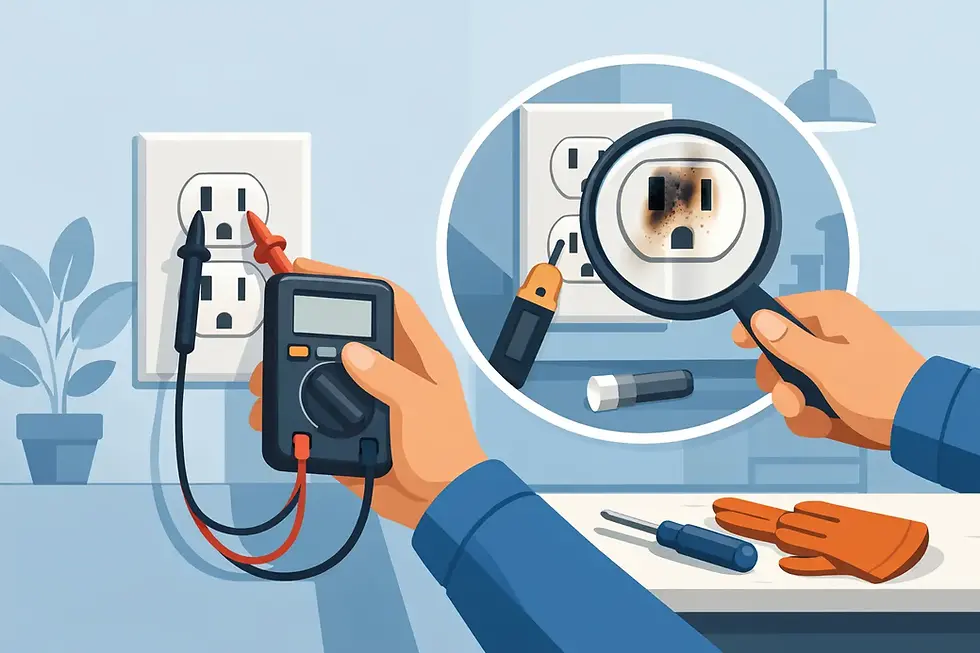
Brown, black, or dark marks around the slots or cover plate usually mean heat and arcing have been happening. That outlet needs professional attention.
Buzzing or crackling
Outlets should not make noise. Buzzing, sizzling, or crackling can mean loose wiring or active arcing behind the wall.
Warm or hot cover plates
A little warmth from a heavily used plug is one thing. A hot outlet is another. Heat points to resistance, overload, or poor internal contact.
Frequent breaker trips
If the same area trips a breaker and the outlet also sparks, the circuit may be overloaded or damaged. The breaker is doing its job, but the cause still needs to be fixed.
What you should do if an outlet sparks
First, stop using the outlet until you understand what caused it. Unplug the device if it is safe to do so. If the outlet continues to make noise, smell hot, or show visible signs of damage, turn off power to that circuit at the breaker panel.
Next, check whether the issue follows the device or stays with the outlet. If a lamp or appliance causes a spark only at one location, that outlet is the likely problem. If the same item sparks at different outlets, the cord or plug may be damaged.
Do not keep testing it by plugging things in and out. That can make the problem worse. Avoid using power strips or extension cords as a workaround, especially for larger appliances.
If there is smoke, active burning, or you cannot safely identify the right breaker, call emergency services first.
Why are outlets sparking in older homes more often?
Older homes often have a few extra factors working against them. Outlets may be worn from years of use, wiring connections may have loosened, and circuits may not match modern electrical demand. Homes built in different eras were not designed around today’s number of chargers, entertainment devices, kitchen appliances, and home office equipment.
That does not mean every older home has unsafe wiring. It does mean sparking should be taken more seriously when the electrical system has aging devices, outdated panels, or a history of breaker issues. In many cases, replacing a single outlet solves the immediate problem. In others, the outlet is only the first visible sign of a larger wiring or panel concern.
When to call a licensed electrician
Call an electrician if the outlet sparks more than once, shows visible damage, feels hot, smells burnt, makes noise, or stops working properly. You should also call if the problem involves a bathroom, kitchen, basement, garage, exterior outlet, or any area where moisture may be involved.
A licensed residential electrician can determine whether the issue is the outlet itself, the branch wiring, the connected device, or the circuit load. That matters because replacing the receptacle alone will not solve a hidden wiring problem.
For Omaha homeowners, this is one of those repairs where quick action makes a difference. A failing outlet may start as a nuisance and turn into a larger safety issue if it keeps arcing inside the wall.
If you are seeing sparks and are not sure whether it is normal or dangerous, it is worth having it checked. Proton Electric helps homeowners troubleshoot outlet problems, replace worn devices, and correct the wiring issues behind them so the fix is not just cosmetic.
A sparking outlet is your home’s way of telling you something has changed. The safest move is to take that message seriously before a small flash turns into a bigger repair.
Comments