
Breaker Panel Versus Fuse Box Explained
- Derek Curtis
- Jun 29
- 6 min read
If your lights flicker when the microwave starts, or a circuit shuts off when you run a space heater, the question is not just what tripped. For many homeowners, it becomes a bigger conversation about breaker panel versus fuse box, and whether the electrical system behind the walls still fits the way the home is used today.
That question matters in older Omaha homes especially. A fuse box is not automatically unsafe just because it is old, and a breaker panel is not automatically the right answer for every house. But the differences between the two affect safety, convenience, capacity, insurance concerns, and future upgrades.
Breaker panel versus fuse box: the basic difference
A fuse box protects your home by using fuses that contain a thin metal strip. When a circuit draws too much current, that strip melts and stops the flow of electricity. Once a fuse blows, it has to be replaced.
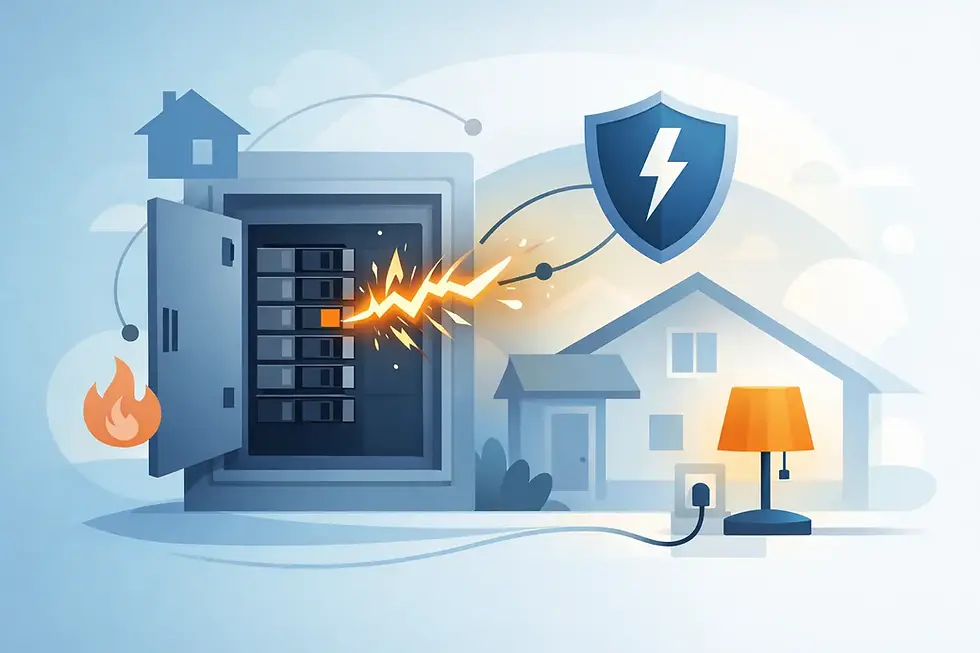
A breaker panel does the same protective job in a different way. Instead of a disposable fuse, it uses a circuit breaker that trips when it senses an overload or short. In most cases, you can restore power by fixing the issue and resetting the breaker.
Both systems are designed to prevent wires from overheating. That is the key point. The real difference is how they respond, how easy they are to use, and how well they support a modern home's electrical demands.
Why fuse boxes are common in older homes
Many older homes were built when electrical use looked very different. A family might have had a refrigerator, a few lamps, a radio, and not much else pulling power. Today, even a modest home may be running large kitchen appliances, device chargers, TVs, gaming systems, home office equipment, HVAC components, and outdoor lighting.
That gap is where trouble starts. A fuse box may still function, but it may not offer enough circuits or enough service capacity for the way the home operates now. Homeowners often notice the warning signs first through daily inconvenience. Blown fuses, overloaded rooms, and heavy reliance on power strips usually point to a system that is being asked to do more than it was designed for.
This does not mean every fuse box must be replaced immediately. Some are still operating properly. The better question is whether the system is safe, code-appropriate for the home, and practical for your current needs.
Safety differences between a breaker panel and a fuse box
The biggest concern homeowners usually have is safety, and that is the right place to focus. A properly sized, properly installed fuse can protect a circuit. The problem is that fuse boxes leave more room for misuse.
If a fuse blows repeatedly, some people are tempted to install a higher-amperage fuse to stop the nuisance. That creates real risk because the fuse may no longer match the wire size on that circuit. In that situation, wires can overheat before the fuse reacts.
Breaker panels reduce that risk because the breaker is matched to the circuit during installation and is not meant to be swapped casually by a homeowner. They are also more convenient to reset, which means people are less likely to improvise unsafe fixes.
There is also the age factor. A fuse box may have old components, worn connections, corrosion, or other signs of deterioration that are not obvious at a glance. Even if the design itself once worked well, years of wear can make the whole system less dependable.
Capacity matters more than many homeowners realize
When homeowners compare breaker panel versus fuse box, capacity is often the deciding factor. Many fuse box systems were built around 60-amp service, while modern homes commonly need 100 amps, 150 amps, or 200 amps depending on size and equipment.
If you are planning a kitchen update, adding a garage circuit, installing new lighting, or preparing for an EV charger, service capacity becomes a real issue. Even smaller improvements can add up. A bathroom exhaust fan, upgraded appliances, and dedicated circuits for electronics all place new demands on an older system.
A breaker panel usually gives you more room to expand safely. That matters not just for major renovations, but for everyday quality of life. You should be able to run normal household equipment without constantly managing what can be turned on at the same time.
Convenience is not a small issue
A blown fuse is more than an annoyance if it happens often. You need the correct replacement on hand, and if you install the wrong type or size, you can create a bigger problem. For many homeowners, that alone is reason enough to consider an upgrade.
A breaker panel is simpler to deal with. If a breaker trips, you can usually identify the affected circuit, address the overload, and reset it. That is faster, cleaner, and easier for the average homeowner.
Convenience also matters during troubleshooting. Breaker panels are generally more organized and easier for electricians to evaluate. That can make future repairs and upgrades more straightforward.
When a fuse box may still be acceptable
There are cases where a fuse box is still functioning as intended. If it has been well maintained, uses the correct fuses, shows no signs of damage, and the home's electrical demand is relatively modest, replacement may not be urgent.
That said, acceptable is not always ideal. A system can be working today and still limit what you can do with the property tomorrow. It can also create complications if you are remodeling, selling the home, or trying to meet insurer requirements.
This is where a professional inspection helps. The right answer depends on the condition of the equipment, the total service size, the number of circuits, and how the home is actually being used.
Signs it may be time to upgrade from a fuse box
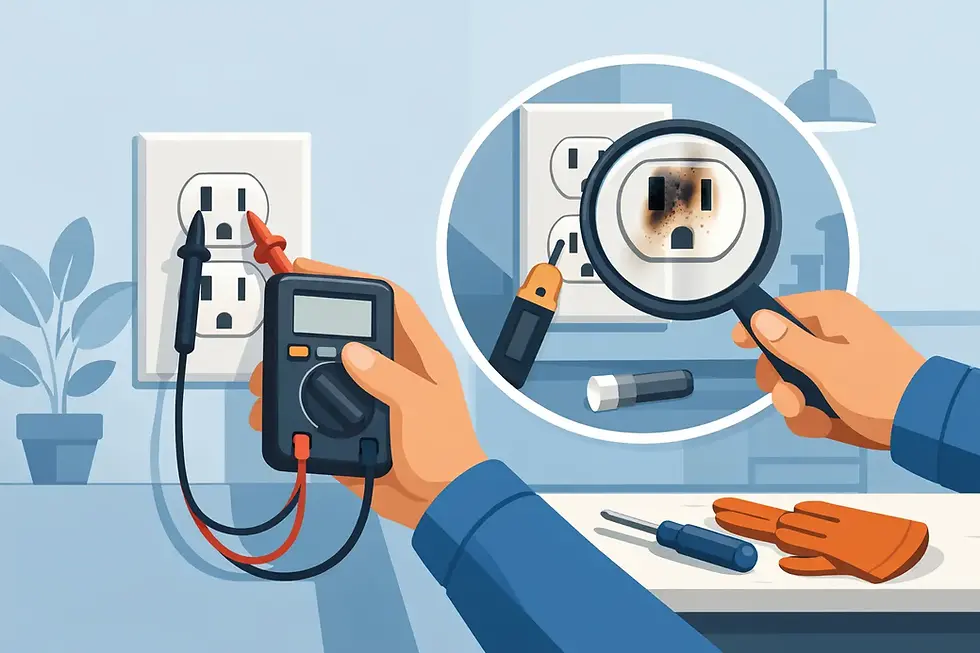
Some issues point to an aging system that deserves closer attention. If fuses blow regularly, if the panel feels warm, if you hear buzzing, or if you notice scorch marks or corrosion, it is time to stop guessing.
You may also want to upgrade if you are relying on extension cords in multiple rooms, if your home does not have enough grounded outlets, or if you are planning improvements that require additional circuits. Even if there is no immediate hazard, the system may be undersized for what comes next.
For homeowners who want to improve resale appeal, a panel upgrade can also be a practical investment. Buyers tend to view modern electrical service as a sign that the home has been cared for and can support current living standards.
Cost versus long-term value
A panel upgrade is a real investment, so it is fair to ask whether it is worth it. The answer depends on what problem you are solving.
If your current fuse box is in good condition and your home's electrical demand is low, immediate replacement may not deliver enough value to justify the cost. But if the system is outdated, overloaded, hard to insure, or limiting needed upgrades, replacing it often makes sense both for safety and function.
There is also the cost of not upgrading. Repeated service calls, unreliable power, limited appliance use, and delayed home projects can add frustration and expense over time. In many cases, updating to a breaker panel is less about chasing the newest equipment and more about making the home easier and safer to live in.
Choosing the right path for your home
The best decision starts with an honest look at how your electrical system performs right now. If your home runs comfortably, the equipment is in sound condition, and there are no upgrade plans on the horizon, you may have options. If you are seeing overloads, planning renovations, or dealing with an older service that no longer matches your household needs, a modern breaker panel is usually the better fit.
For Omaha homeowners, local experience matters. Older homes often come with a mix of past repairs, additions, and aging electrical components. A qualified residential electrician can evaluate whether the issue is the fuse box itself, the service size, the circuit layout, or a combination of all three. That kind of inspection gives you a practical answer instead of a generic one.
At Proton Electric, the goal is simple: help homeowners make safe, informed choices about the systems they rely on every day. If you are weighing breaker panel versus fuse box, the right next step is not to assume the worst. It is to have the system evaluated clearly, so you know whether a repair, a service upgrade, or a full panel replacement makes the most sense for your home.
Electrical systems should support the way you live, not force you to work around them.
Comments