
A Homeowner’s Guide to Replacing Outlets
- Derek Curtis
- Jul 3
- 6 min read
That loose outlet behind the couch is easy to ignore until a plug slips halfway out, feels warm, or leaves one side of the room without power. This guide to replacing outlets is for homeowners who want to understand what is normal, what is unsafe, and when a simple-looking outlet problem may point to a bigger electrical issue.
Outlet replacement is one of the most common residential electrical repairs, but it is not always as simple as swapping one device for another. A worn receptacle may be the whole problem. In other cases, the outlet is only the visible symptom of aging wiring, a failed connection, poor installation, or a circuit that no longer matches how your home is used.
Why outlets need to be replaced
Most homeowners notice outlet trouble in practical ways. Plugs fall out. Devices only charge if the cord is held at an angle. The faceplate is cracked, discolored, or warm. A bathroom or kitchen outlet keeps tripping. Sometimes an older home simply does not have the right outlet type in the right place.
Outlets wear down over time. The internal contacts lose tension after years of use, especially in high-traffic spots like kitchens, living rooms, and bedrooms where cords are plugged in and removed often. That wear can lead to poor contact between the plug and receptacle, which can create heat. Heat is where a routine repair starts becoming a safety concern.
There is also the code and safety side of replacement. Many older homes have standard outlets in areas that now call for GFCI protection, such as bathrooms, garages, laundry areas, unfinished basements, and exterior locations. If you are updating devices during a remodel or correcting a problem, it makes sense to look at whether the outlet type still fits the space.
What a guide to replacing outlets should really help you decide
A good guide to replacing outlets is not just about the part itself. It should help you decide whether you are dealing with normal device wear, a safety issue, or an electrical system problem that deserves a closer look.
If one outlet is loose but everything else in the room works properly, the fix may be straightforward. If multiple outlets stop working, breakers trip repeatedly, lights flicker on the same circuit, or the outlet shows scorch marks, the conversation changes. At that point, replacement may still be needed, but diagnosis matters just as much as the new device.
That is especially true in older Omaha homes, where electrical systems may have gone through partial updates over the years. You might find newer devices connected to older wiring methods, mixed outlet types, or circuits that have been stretched beyond their original purpose.
Signs an outlet should not be ignored
Some outlet problems are inconvenient. Others need prompt attention.
A loose plug is often the first sign of worn internal contacts. This may seem minor, but poor contact can increase resistance and create heat. Cracks in the face or signs of charring also matter because they can point to overheating or impact damage.
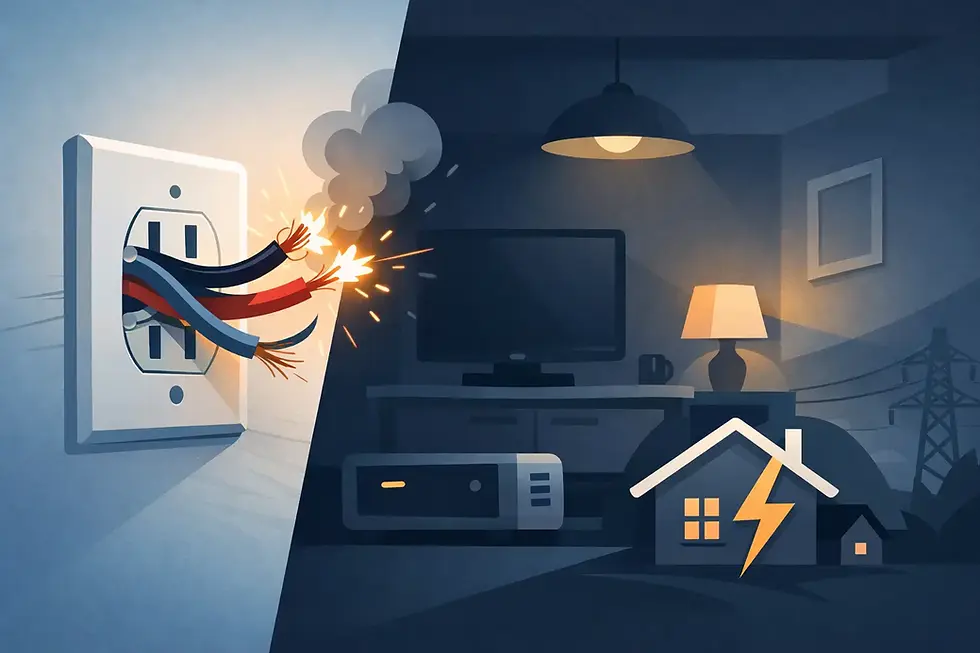
If you smell something burnt near an outlet, notice buzzing, or feel heat on the cover plate, stop using it. The same goes for outlets that only work intermittently or spark more than a very small, brief contact spark during normal plug-in. A stronger spark, repeated sparking, or visible discoloration should be checked right away.
GFCI outlets deserve special attention too. If they will not reset, trip constantly, or fail to protect where they should, replacement might be necessary. But repeated tripping can also mean moisture exposure, wiring issues, or a downstream problem on the circuit.
Choosing the right replacement outlet
Not every replacement outlet is the same, and matching the right device to the location is part of doing the job safely.
A standard 15-amp duplex receptacle is common in bedrooms, living rooms, and other general-use areas. Kitchens, bathrooms, garages, outdoors, laundry rooms, and unfinished basements often need GFCI protection. In some homes, tamper-resistant outlets are also required and are a smart choice around children because they are designed to block foreign objects from being inserted.
There are also AFCI and combination protective options in certain applications, along with weather-resistant outlets for exterior use. USB outlets can be a nice convenience upgrade, but they still need to be installed correctly and on a suitable circuit. The same goes for heavier-use locations where a commercial-grade receptacle may hold up better than a basic residential device.
The trade-off is simple. A standard outlet may cost less, but the right safety-rated device is the better long-term value when the location calls for it.
Why outlet replacement is not always a DIY job
Homeowners often assume outlet replacement is one of the easiest electrical tasks in the house. Sometimes it is routine for a trained electrician. For a homeowner, the challenge is that the part you can see does not tell you much about what is happening in the box.
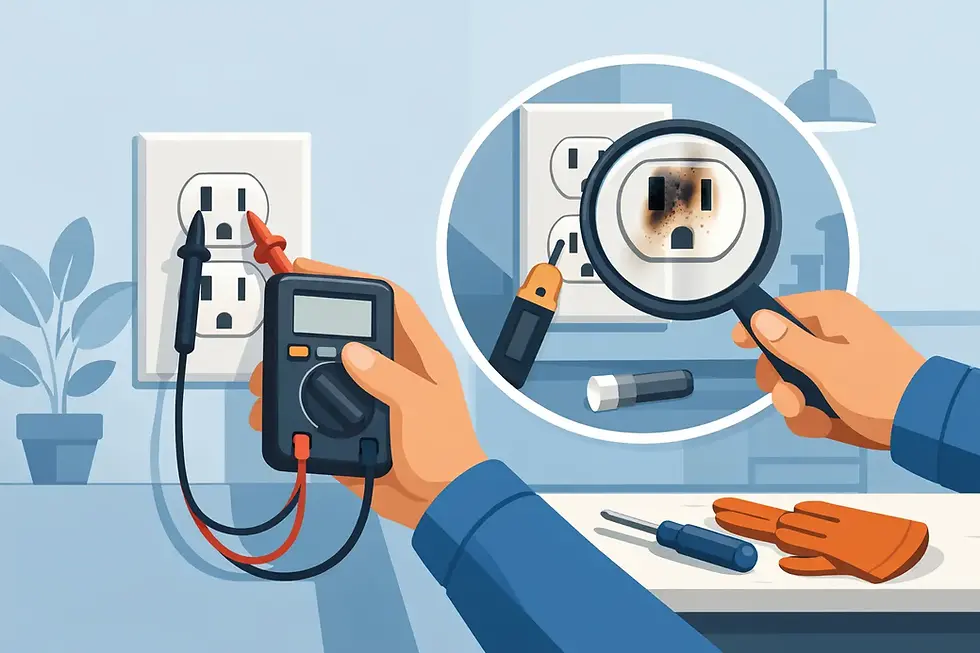
A replacement may involve identifying the correct circuit, testing for power correctly, checking wire condition, confirming proper grounding, verifying line and load connections on GFCI devices, and making sure the box itself is secure and sized appropriately. Even small errors can lead to nuisance tripping, nonworking downstream outlets, shock risk, or overheating.
There is also the issue of aluminum wiring, backstabbed connections, damaged insulation, and crowded boxes in older homes. These are not rare discoveries. They are exactly the kinds of details that turn a quick swap into a repair that needs experience.
For homeowners, the practical question is not whether replacing an outlet looks simple. It is whether the work can be done safely, correctly, and in a way that solves the real problem instead of covering it up.
When outlet replacement points to a bigger electrical problem
Sometimes a bad outlet is just a bad outlet. Other times, it is the first clue that the circuit needs attention.
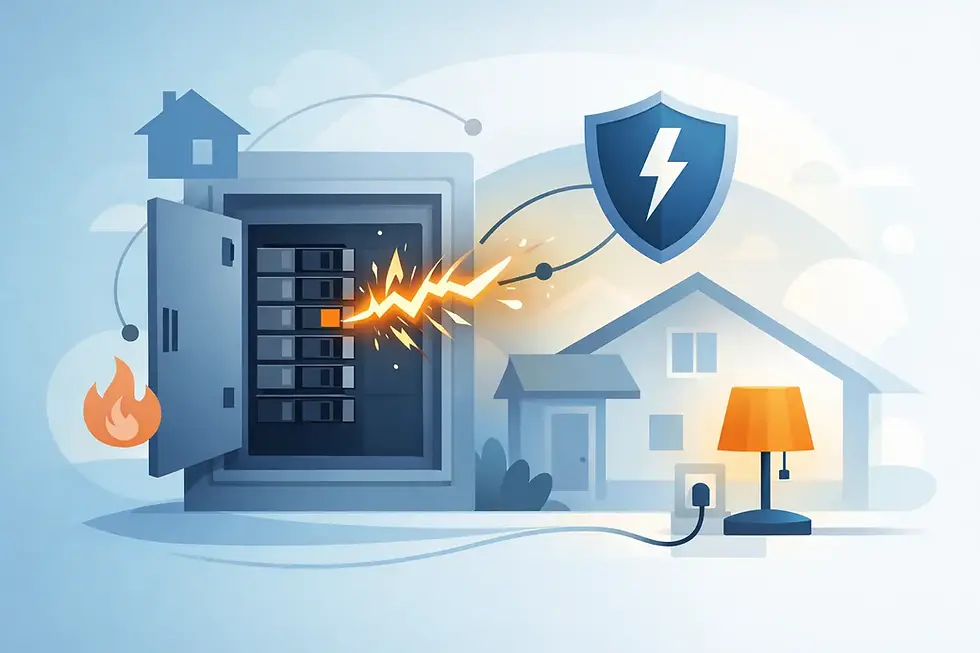
If the breaker trips whenever you use a certain receptacle, the outlet may not be the only issue. The circuit could be overloaded, the wiring could be loose, or the breaker itself could be worn. If lights dim when appliances kick on nearby, there may be a load issue or a shared circuit problem. If several outlets in one area stop working at once, the failure may be upstream at another device, a GFCI, or a hidden connection.
This is why diagnosis matters before replacement in some cases. A new outlet installed on a compromised connection can still fail. Worse, it can give a false sense that the issue has been handled.
For homes with frequent electrical repairs, older panels, or not enough usable outlets for modern life, it may be worth looking beyond individual device replacement. Circuit upgrades, added receptacles, or panel work may make the home safer and easier to live in.
What to expect from professional outlet replacement
Professional outlet replacement is usually quick when the wiring and circuit are in good condition. The value is not just speed. It is the inspection that happens along the way.
A qualified electrician will confirm the circuit is safe to work on, inspect the existing wiring, choose the correct replacement device, and test the outlet once the work is complete. If there are signs of heat damage, poor grounding, code concerns, or related circuit issues, those can be identified before the new outlet is put into service.
That is often the biggest difference between a surface-level fix and a solid repair. The goal is not only to replace the outlet. It is to restore safe, reliable performance where your family actually uses power every day.
For Omaha homeowners, that can mean replacing one faulty receptacle, updating GFCI protection in the right places, or using a small repair visit to identify whether the home needs broader electrical improvements. Proton Electric handles that kind of residential troubleshooting with a practical, homeowner-focused approach.
Cost, convenience, and timing
Outlet replacement is usually a manageable service call, especially compared with the cost of ignoring a warning sign that leads to a bigger repair. The exact cost depends on the outlet type, the condition of the wiring, accessibility, and whether the problem is limited to the device or tied to another issue on the circuit.
If you are planning other home updates, outlet replacement can also be a smart time to bundle improvements. Adding tamper-resistant outlets, upgrading kitchen and bath protection, or replacing worn devices throughout the home can improve both safety and day-to-day convenience.
And if an outlet problem shows up unexpectedly, having clear estimates and flexible payment options can make it easier to handle the repair without putting it off.
A worn or damaged outlet is a small detail until it is the one that overheats, stops working, or signals a larger wiring problem. Getting it checked early is one of the simplest ways to keep your home safer and more functional.
Comments