How to Troubleshoot Electrical Outlet Issues
- Derek Curtis
- Apr 23
- 6 min read
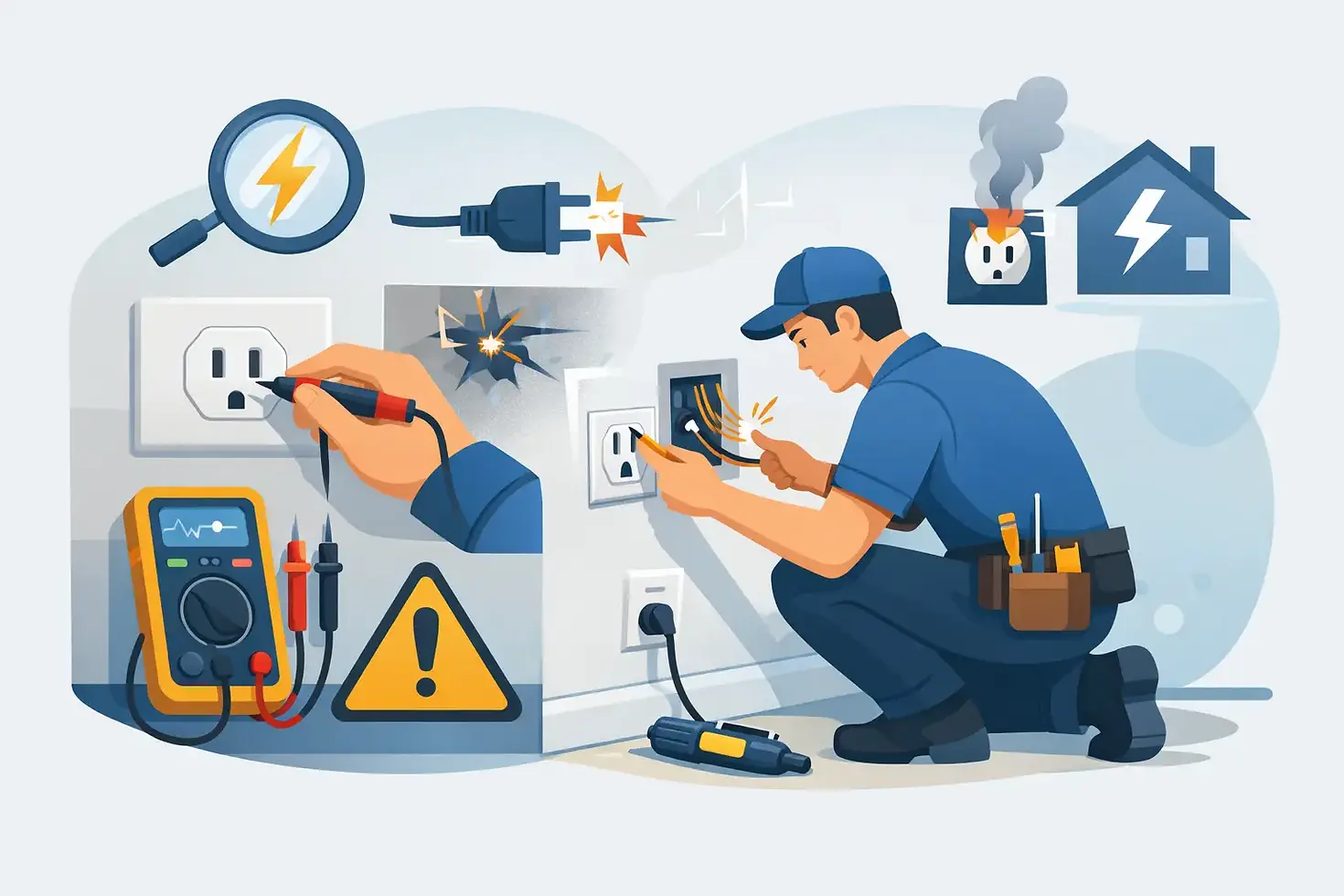
A dead outlet usually shows up at the worst time - when the coffee maker quits, the Wi-Fi drops, or a lamp stops working in the room you use every day. If you are wondering how to troubleshoot electrical outlet problems without making the situation worse, the first step is to slow down and rule out the simple causes before assuming the outlet itself has failed.
Some outlet issues are minor, like a tripped breaker or a reset GFCI. Others point to wiring problems, a worn device, or a larger issue in the circuit. The goal is not just to get power back on. It is to make sure your home stays safe.
How to troubleshoot electrical outlet safely
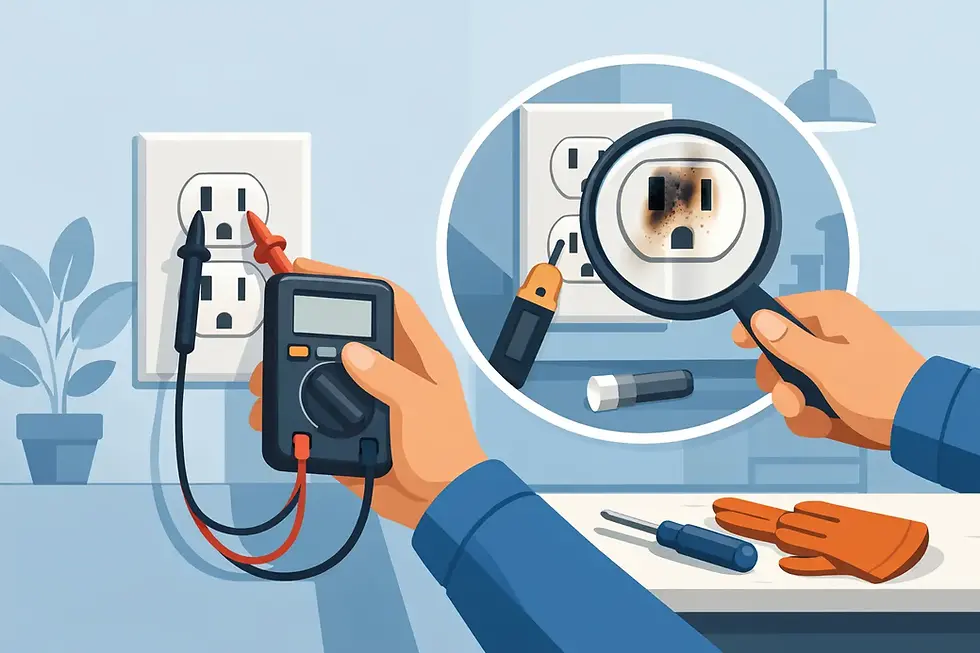
Start with safety, not tools. If the outlet is warm, making crackling sounds, giving off a burning smell, or showing black marks or melted plastic, stop there. Do not plug anything into it, do not test it further, and do not try to replace it on your own unless you are trained to do electrical work safely.
If there are no signs of heat or damage, unplug everything connected to that outlet. Then test the device you were using in a different outlet that you know works. This matters because a failed phone charger or lamp can look exactly like an outlet problem at first.
Next, check whether the issue is limited to one outlet or part of a larger power loss. Turn on nearby lights, try surrounding receptacles, and see if the problem is isolated to one wall or one room. That quick check can tell you a lot. One dead outlet may mean a failed receptacle. Several dead outlets often point to a tripped breaker, a GFCI issue, or a loose connection upstream.
Check the breaker before anything else
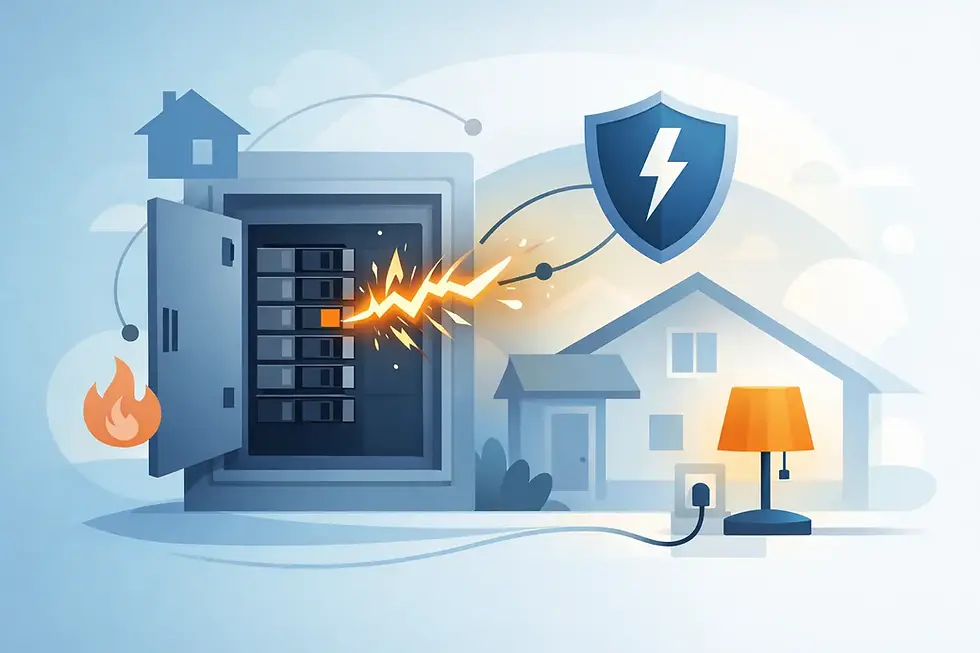
Go to your electrical panel and look for a tripped breaker. It will not always be obvious. Some breakers do not move fully to the OFF position when they trip. They may sit in the middle or look almost normal.
To reset it, switch it all the way OFF first, then back ON. If it trips again right away, leave it off. A breaker that will not stay on is warning you about something, and forcing it can make the problem worse.
If one breaker controls several outlets, lights, or appliances, think about what was running when the problem happened. A space heater, microwave, hair dryer, or window AC unit can overload a circuit, especially in older homes where outlet demand has grown over time.
A single trip after heavy use may be simple overload. Repeated trips are different. They usually mean a wiring fault, a damaged device, or a circuit that needs professional attention.
Look for a tripped GFCI outlet
Many homeowners do not realize that one GFCI outlet can protect several standard outlets downstream. That means the outlet that stopped working may not be the one with the TEST and RESET buttons.
Check bathrooms, kitchens, laundry areas, garages, unfinished basements, and exterior outlets. Press RESET firmly on any GFCI outlet you find. If it clicks and restores power, you likely found the cause.
If the GFCI will not reset, unplug anything connected to outlets on that circuit and try again. If it still refuses to reset, there may be moisture in the line, a wiring problem, or a ground fault that needs diagnosis.
This is one of the most common answers to how to troubleshoot electrical outlet problems in homes, especially when an outlet seems dead for no clear reason.
Signs the outlet itself may be failing
If the breaker is fine and no GFCI is tripped, the receptacle may be worn out or damaged. This is more likely in older homes or in outlets that get constant use.
A failing outlet may hold plugs loosely, work only when you wiggle the cord, stop and start intermittently, or show discoloration around the face. Sometimes the problem is internal wear. Sometimes it is a loose wire connection behind the outlet.
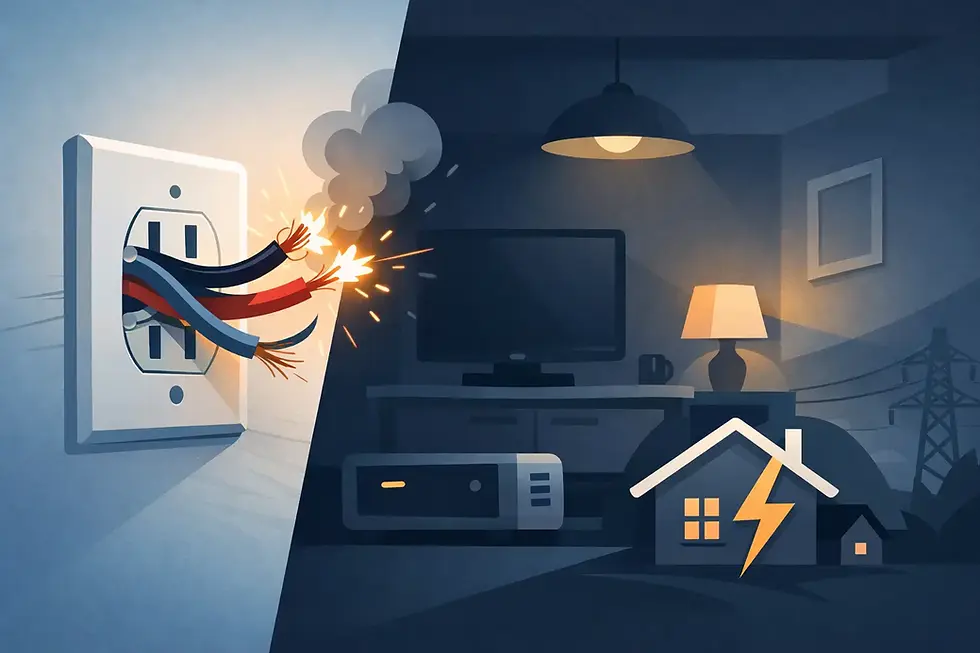
Loose connections are not just inconvenient. They can create heat and arcing inside the box. That is why an outlet that works sometimes is not a harmless annoyance.
Another clue is partial power. For example, a lamp may flicker, a charger may work slowly, or one half of a duplex outlet may work while the other does not. In some cases that points to a broken tab, a split-wired setup, a failed receptacle, or a wiring issue further back in the circuit.
When the problem is not really the outlet
Not every outlet complaint starts at the receptacle. Switched outlets are a common example. In some living rooms or bedrooms, one half of the outlet is controlled by a wall switch. If a switch got flipped and a lamp stopped working, the outlet may be doing exactly what it is supposed to do.
AFCI protection can also confuse the picture. Newer homes and updated circuits may include arc fault breakers, which trip for different reasons than standard breakers. If an AFCI keeps tripping, the issue could involve a damaged cord, an appliance, or wiring that needs a closer look.
Older homes add another layer. Two-prong outlets, ungrounded circuits, and aging wiring can limit what an outlet can safely handle. If your home has older electrical infrastructure, an outlet problem may be part of a larger upgrade conversation rather than a one-time repair.
Basic outlet testing homeowners can do
If you have a plug-in outlet tester and know how to use it, it can help confirm whether the receptacle has power and whether common wiring conditions are present. It is a useful screening tool, but it does not replace a full diagnosis.
What it cannot tell you is just as important. It may not catch intermittent faults, loose connections under load, or issues elsewhere on the branch circuit. So if the tester result looks normal but the outlet still behaves unpredictably, trust the symptoms.
A non-contact voltage tester can also help verify whether power is present, but it should be used carefully and with realistic expectations. These tools are good for basic checks. They are not a green light to open boxes or handle wiring if you are not comfortable doing that work.
When to stop troubleshooting and call an electrician
Some outlet issues cross the line from homeowner check to repair call very quickly. If the outlet is hot, smells burned, sparks repeatedly, or has visible damage, it needs professional attention. The same goes for breakers that keep tripping, GFCIs that will not reset, or multiple dead outlets with no obvious cause.
You should also call if the outlet stopped working after a storm, after water exposure, or during a remodel project. Hidden wiring damage is not always visible from the outside.
For Omaha homeowners, this is often where a service call saves time and prevents guesswork. A licensed electrician can trace the circuit, test connections, identify whether the issue is the receptacle, the wiring, the breaker, or the protection device, and make the repair safely. If the problem points to outdated wiring or an overloaded panel, you get a clearer path forward instead of another temporary fix.
Preventing the next outlet problem
A lot of outlet failures build up slowly. Plugs get tugged, devices draw more power than the circuit was meant to handle, and older receptacles wear out over years of daily use.
It helps to pay attention to small warning signs. A loose plug, occasional flicker, warm faceplate, or outlet that only works sometimes is worth checking before it becomes a bigger problem. Avoid overloading one area with power strips and high-draw appliances, and make sure outdoor and wet-area outlets have the right protection.
If your home still has older two-prong outlets, missing GFCI protection where it should be, or a panel that struggles with modern demand, troubleshooting may be the symptom and not the whole story. In those cases, an electrical upgrade improves both safety and convenience.
At Proton Electric, we see many outlet calls that start with one dead receptacle and end with a simple fix homeowners could not easily spot on their own. That is normal. Electrical systems are connected, and the cause is not always where the problem shows up first.
A dead outlet does not always mean an emergency, but it should never be ignored. A careful check of the breaker, nearby GFCIs, and the outlet's condition can tell you whether the problem is simple or whether it is time to bring in a professional and get it handled the right way.
Comments