
How to Prepare for Panel Replacement
- Derek Curtis
- Jun 26
- 6 min read
If your lights have been flickering, breakers keep tripping, or your home still runs on an older panel, you may already be asking how to prepare for panel replacement before the work is scheduled. That is the right question. A panel upgrade is one of the most important electrical improvements you can make, and a little preparation helps the job move faster, safer, and with fewer surprises.
For most homeowners, panel replacement is not something you do often, so it is normal to be unsure what happens before the electrician arrives. The good news is that the prep is usually straightforward. It mostly comes down to knowing what to expect, making the work area accessible, and planning for a temporary power shutoff.
Why preparation matters before panel replacement
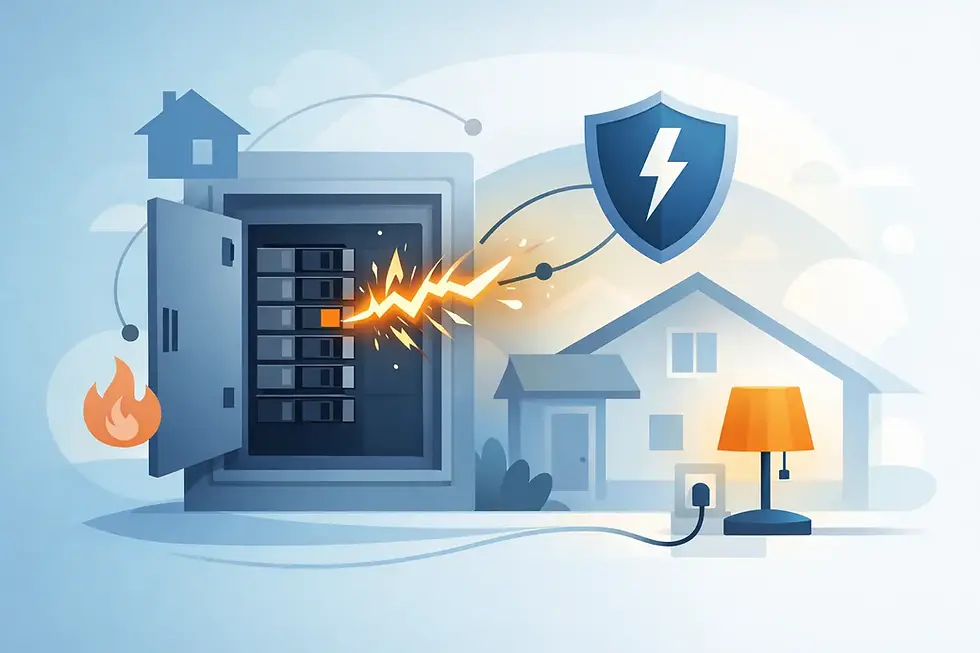
Your electrical panel is the control center for the entire house. Replacing it is not the same as swapping out a light fixture or outlet. The work often involves shutting off power to the home, inspecting existing wiring, coordinating with the utility if needed, and making sure the new panel fits your current and future electrical needs.
When homeowners prepare ahead of time, the installation tends to go more smoothly. The electrician can get to work without delays, and you are less likely to run into preventable issues like blocked access, confused circuit labeling, or overlooked devices that need power during the outage.
Preparation also helps you think beyond the panel itself. If you are adding appliances, finishing a basement, installing a hot tub, or planning future home upgrades, this is the time to mention it. Sometimes a replacement is not just about fixing an old panel. It is also about setting up your home for the way you actually live in it.
How to prepare for panel replacement before installation day
Start with the practical side. Make sure the area around the panel is clear and easy to reach. If the panel is in a basement storage room, utility closet, or garage wall packed with boxes, move items well out of the way. Electricians need safe working space, and cramped access can slow the job down.
It also helps to keep pets and children away from the work area. Panel replacement is active electrical work, and the space should stay controlled while the crew is on site. If your panel is near a main walkway, laundry area, or garage entrance, think ahead about how your household will move around during the appointment.
You should also expect the power to be off for part of the day. The exact timing depends on the scope of work, the condition of the existing system, and whether utility coordination is involved. Some jobs are fairly direct. Others uncover issues like outdated wiring, corrosion, or code concerns that need to be addressed before the installation is complete.
That is why it is smart to plan for a temporary interruption, not assume it will be brief. Charge phones, laptops, and battery-powered devices in advance. If someone in the home works remotely, attends online classes, or relies on Wi-Fi-based equipment, make alternate plans for that window.
What to do inside the home
A panel replacement affects more than the panel wall. Since the power will be shut off, think through anything in your home that depends on electricity during the day. Refrigerators and freezers are usually fine for a limited outage if the doors stay closed, but if the shutoff may run longer, it helps to avoid stocking them heavily right before the appointment.
If you have medical equipment, refrigerated medication, a sump pump, a security system, or garage doors that need power, tell your electrician ahead of time. This is one of those details that can change how the work is planned. There may be temporary solutions or schedule adjustments, but only if the crew knows in advance.
Resettable items matter too. Clocks, smart home devices, internet equipment, and programmable thermostats may need to be restarted after power is restored. That is not a reason to put off the job, but it is worth knowing so you are not caught off guard later.
If you have circuits that are already acting strangely, mention that before installation day. A breaker that trips only when the microwave and toaster run together, or a room that loses power off and on, can point to issues worth checking while the panel work is underway.
Questions to ask before the work starts
If you want to know how to prepare for panel replacement the smart way, ask a few clear questions before the appointment. Ask how long the power is expected to be off, whether the utility company needs to be involved, and whether permits and inspections are part of the job. A good residential electrician should walk you through this in plain language.
You should also ask whether your current panel size still makes sense. Some homes need a straightforward replacement. Others benefit from a service upgrade, especially if the household has added high-demand appliances, a finished lower level, updated HVAC equipment, or plans for an EV charger.
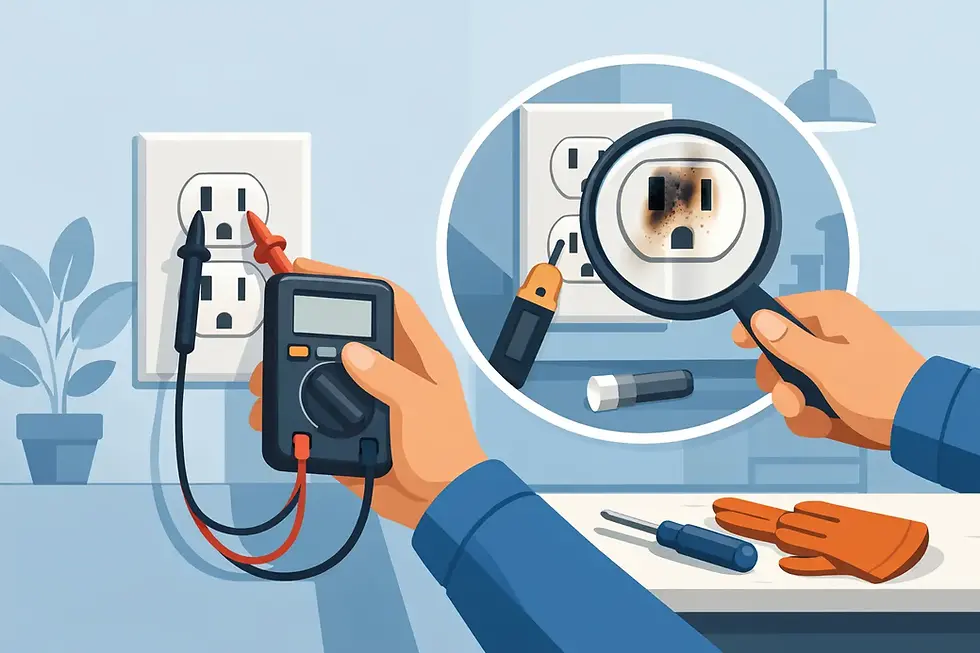
This is also a good time to discuss any known concerns with your existing panel. If it is outdated, overcrowded, warm to the touch, or showing signs of rust or damage, say so. Those details help the electrician prepare the right materials and avoid delays.
If cost is part of your planning, ask for a clear estimate and payment options before the work is scheduled. Homeowners often put off electrical upgrades because they expect the process to be more disruptive or financially difficult than it really is. A straightforward conversation early on can make the whole project easier to manage.
Labeling circuits helps more than most homeowners think
One of the simplest ways to prepare is to look at your existing breaker labels. Many older panels have vague markings like kitchen, plugs, or upstairs. Some have no useful labeling at all. That is common, but it can make troubleshooting and organizing the new panel harder.
You do not need to map every circuit perfectly on your own, but if you already know which breakers control major areas or appliances, that information helps. If there are mystery breakers or mislabeled ones, mention that too. Even partial information can save time during replacement.
Accurate labeling matters after the job as well. When a circuit trips in the future or you need to shut off power for another project, a clearly labeled panel makes your home safer and easier to maintain.
A few things that can affect timing
Not every panel replacement follows the exact same timeline. The age of the home matters. So does the condition of the existing wiring, the panel location, and whether the service needs to be upgraded. Homes with older electrical systems sometimes reveal extra work once the old panel is opened up.
That does not always mean major complications. It just means there can be trade-offs between speed and thoroughness. A careful electrician will not rush past a problem just to finish on the original timeline. If something needs correction for safety or code compliance, it is better to address it during the panel replacement than after the new panel is installed.
Weather can also play a role if utility coordination or exterior work is required. In Omaha, seasonal conditions can affect scheduling, especially during storms or periods of extreme cold. That is another reason to build a little flexibility into your day.
Preparing for life after the new panel is in
Once the replacement is complete, ask for a quick walkthrough. You should know where the main shutoff is, how the breakers are labeled, and whether there are any recommendations for future upgrades. This is especially useful if your old panel had capacity issues and the new one gives you more room to grow.
A new panel can improve reliability, support modern electrical demands, and reduce the stress of dealing with an outdated system. It is also a good point to think about other improvements that may now make sense, like dedicated circuits, better lighting, surge protection, or replacing worn devices elsewhere in the home.
For homeowners in Omaha, panel replacement is often both a safety fix and a practical upgrade. If you prepare the space, plan for the outage, and communicate clearly about your home’s needs, the process becomes much more manageable. And when the work is done right, you are not just replacing a box on the wall - you are making the whole home more dependable for everyday life.
Comments