Can Old Wiring Cause Fires in Your Home?
- Derek Curtis
- 3 days ago
- 5 min read
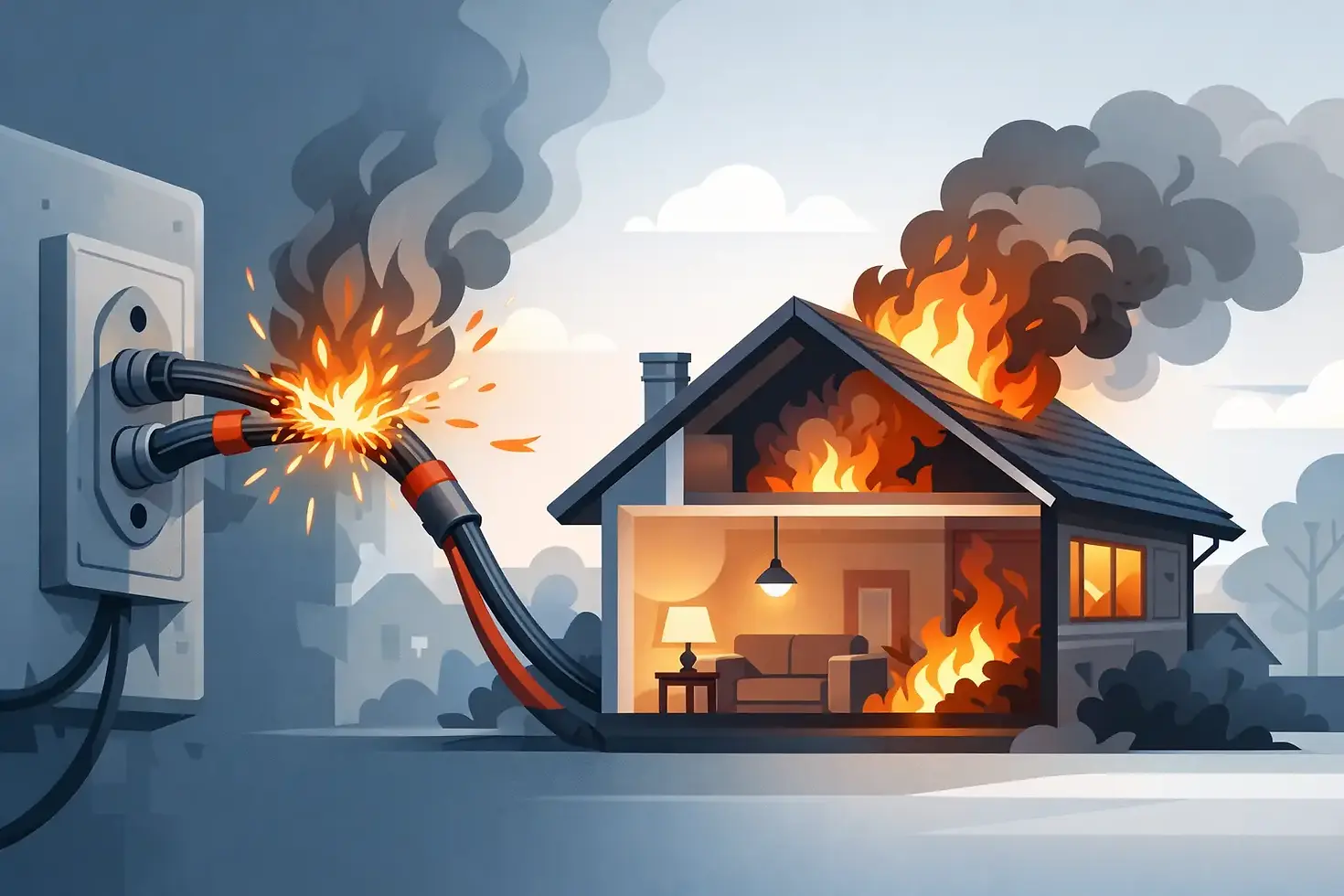
A light that flickers once in a while might seem harmless. A breaker that trips now and then can be easy to ignore. But when those small issues are tied to an aging electrical system, the bigger question is serious: can old wiring cause fires? Yes, it can - and in many homes, the risk builds slowly enough that homeowners do not realize there is a problem until the warning signs are hard to miss.
Older wiring is not automatically dangerous just because it is old. Plenty of homes still have original electrical components that have worked for decades. The problem starts when wiring insulation breaks down, connections loosen, circuits are asked to handle more than they were designed for, or previous repairs were done poorly. Fire risk usually comes from age combined with wear, overload, or outdated materials.
Can old wiring cause fires? Yes, but it depends on the condition
The age of the wiring matters less than its condition and the demands placed on it. A well-maintained system that has been properly updated over time may still be safe. On the other hand, wiring that is brittle, damaged, overloaded, or connected to an undersized panel can create heat inside walls, outlets, switches, and junction boxes.
Electricity always creates some heat. A safe system controls that heat and moves power where it needs to go without strain. An unsafe system allows resistance to build. That is where trouble starts. Loose terminals, corroded connections, cracked insulation, and worn devices can all create hot spots. When those hot spots occur near dry wood framing, insulation, or dust buildup, the chance of fire goes up.
This is also why two homes built in the same year can have very different risk levels. One may have had thoughtful upgrades over the years. The other may still be relying on original circuits while powering modern appliances, office equipment, entertainment systems, and garage tools that did not exist when the house was built.
Why old electrical wiring becomes a fire hazard
Most wiring problems do not begin with sparks shooting out of an outlet. They begin quietly. Insulation can dry out and crack. Connections can loosen from years of heating and cooling. Outlets and switches wear down from repeated use. Panels can become outdated or crowded as more circuits are added.
In older homes, another issue is capacity. Homes built decades ago were not designed for today’s electrical load. Even if the wiring was installed correctly at the time, homeowners now expect those circuits to support kitchen appliances, bathroom devices, gaming systems, charging stations, home offices, and more. When old circuits are constantly pushed near their limit, wires and connections can overheat.
There are also certain legacy wiring types and older components that deserve extra attention. Knob-and-tube wiring, aluminum branch wiring, and aging fuse boxes are not all equally hazardous in every situation, but each can present safety concerns depending on installation quality, modifications, and current use. The risk is usually not just the material itself. It is the combination of old systems and modern demands.
Signs your home’s wiring may be unsafe
Homeowners usually notice symptoms before they see the actual wiring problem. If lights dim when an appliance starts, that may point to an overloaded circuit or a poor connection. If outlets feel warm, that is never something to dismiss. A burning smell, buzzing from switches or outlets, frequent breaker trips, or discoloration around devices can all indicate overheating.
Sometimes the signs are less obvious. You may rely on extension cords because there are not enough outlets where you need them. You may avoid plugging more than one thing into a room because you know the breaker will trip. You may have a mix of old two-prong receptacles and newer devices throughout the house. Those are practical signs that your electrical system may not fit your home’s current needs.
A home inspection report can also reveal concerns, especially in older properties. If you have recently bought a home in Omaha or are planning renovations, it is smart to have the electrical system evaluated before a small issue turns into a larger repair.
Can old wiring cause fires even if nothing seems wrong?
Yes. That is part of what makes electrical hazards different from many other home issues. You cannot always see damage behind walls or inside boxes. Wiring can deteriorate in hidden spaces for years. A loose wire connection inside a junction box may produce heat long before it causes a breaker to trip.
Breakers and fuses are there to protect the circuit, but they do not catch every developing problem right away. Some hazards happen at connection points rather than from a full circuit overload. Some older systems also lack modern safety devices that are now standard in many areas of the home.
That does not mean every older house is unsafe. It means age should be a reason to inspect, not a reason to panic. A professional evaluation can tell you whether your system is serviceable, needs targeted repairs, or is due for more substantial upgrades.
The most common fire risks in older homes
In residential service calls, the biggest concerns usually come down to a few recurring issues. Overloaded circuits are common because older homes often have fewer circuits and fewer outlets than modern households need. Loose connections are another major problem, especially at switches, receptacles, light fixtures, and panels.
Damaged insulation is also a concern, particularly in attics, basements, and areas where wiring has been exposed to heat, pests, moisture, or past DIY work. Older panels may add another layer of risk if they are undersized, worn out, or no longer functioning reliably. And sometimes the issue is not one dramatic defect, but several smaller weaknesses working together.
That combination matters. An older outlet on an overloaded circuit with a loose connection is far more concerning than any one of those conditions by itself.
When repair is enough and when rewiring makes more sense
Not every home with aging wiring needs a full rewire. In some cases, replacing worn outlets, switches, damaged sections of wiring, or outdated breakers can address the immediate issue. If the rest of the system is in good shape and properly sized, targeted repairs may be the most practical option.
But if your home has widespread wiring deterioration, recurring electrical problems, or a panel that can no longer support your household safely, larger upgrades may be the better long-term investment. This is especially true if you are remodeling a kitchen, finishing a basement, adding lighting, or installing new appliances. Upgrading during planned improvement work is often more efficient than waiting for failures to force emergency repairs.
For homeowners, the right choice comes down to safety, scope, and budget. A good electrician should explain what is urgent, what can be phased, and what will improve both protection and everyday use.
What Omaha homeowners should do next
If you live in an older home and have noticed warning signs, the safest next step is to schedule a professional inspection. That is especially true if your home still has older devices, a dated panel, recurring breaker issues, or outlets that show heat damage. Electrical problems rarely get better on their own.
A qualified residential electrician can check the panel, inspect visible wiring, test devices, and identify whether the concern is isolated or part of a bigger system issue. In many cases, homeowners feel relief just from knowing where they stand. Some need a simple repair. Others need a plan for updates over time.
For Omaha-area homeowners, this is not just about avoiding emergencies. It is also about making the home more functional. Safe, updated electrical work supports better lighting, more reliable devices, smoother daily use, and fewer surprises when you plug in the things your household depends on.
If you have been wondering whether an older electrical system is still safe, trust that instinct. Getting answers now is a lot easier than dealing with smoke, fire damage, or a failed system later. A careful inspection today can protect both your home and your peace of mind.

Comments