
10 Best Safety Checks for Homeowners
- Derek Curtis
- Jun 21
- 6 min read
That breaker that trips once in a while, the outlet that feels warm, the porch light that flickers when the weather changes - small issues like these are often where the best safety checks for homeowners begin. Most serious home hazards do not start as dramatic failures. They start as minor warning signs that get easy to ignore.
For homeowners in Omaha, regular safety checks matter because homes work hard through every season. Summer storms, winter heating demands, older wiring, and everyday wear can all put stress on electrical systems and other essential parts of the house. A smart safety routine is not about fear. It is about catching problems early, protecting your family, and avoiding bigger repair bills later.
Why the best safety checks for homeowners matter
A good home safety check should be practical. You are not trying to inspect your house like a code official. You are looking for visible issues, changes in performance, and signs that a professional should step in.
The biggest mistake homeowners make is assuming that no major problem means no problem at all. Electrical issues, moisture damage, loose connections, aging devices, and overloaded circuits can all sit quietly for a long time. By the time they become urgent, the repair is usually more disruptive and more expensive.
Start with your electrical panel
If there is one area of the house that deserves regular attention, it is the electrical panel. It is the control center for the entire home, and it can tell you a lot about how your system is performing.
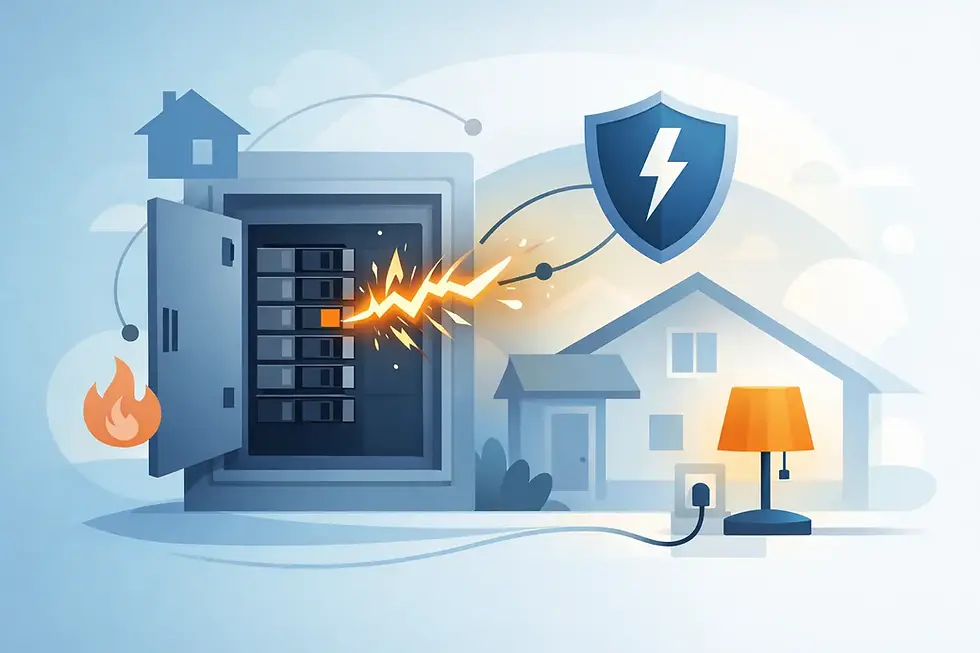
Open the panel door and look for clear circuit labeling, signs of rust, scorch marks, or anything that suggests moisture has been present. If breakers trip repeatedly, that is not just an annoyance. It is often a sign of circuit overload, a failing breaker, or a deeper wiring issue. If your panel is outdated, undersized for your current needs, or no longer handling modern appliances well, that is worth addressing before it turns into a larger safety concern.
An older home may also have a panel that was adequate years ago but no longer matches how the house is used today. Added freezers, home office equipment, electric ranges, garage devices, and upgraded HVAC systems all increase demand.
Check outlets and switches for warning signs
Outlets and switches are easy to overlook because you use them every day. That familiarity can hide early warning signs.
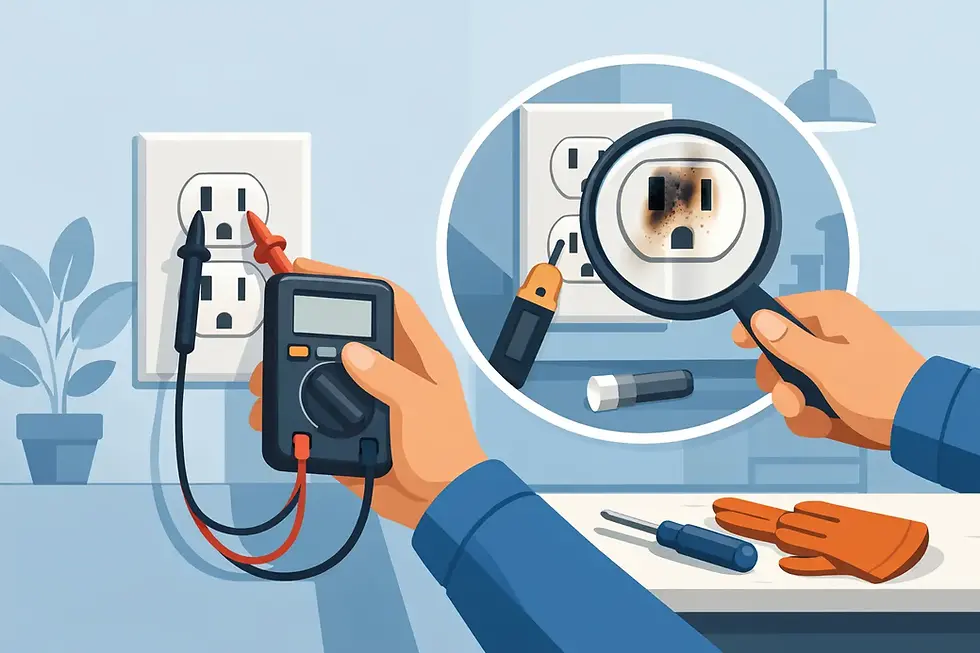
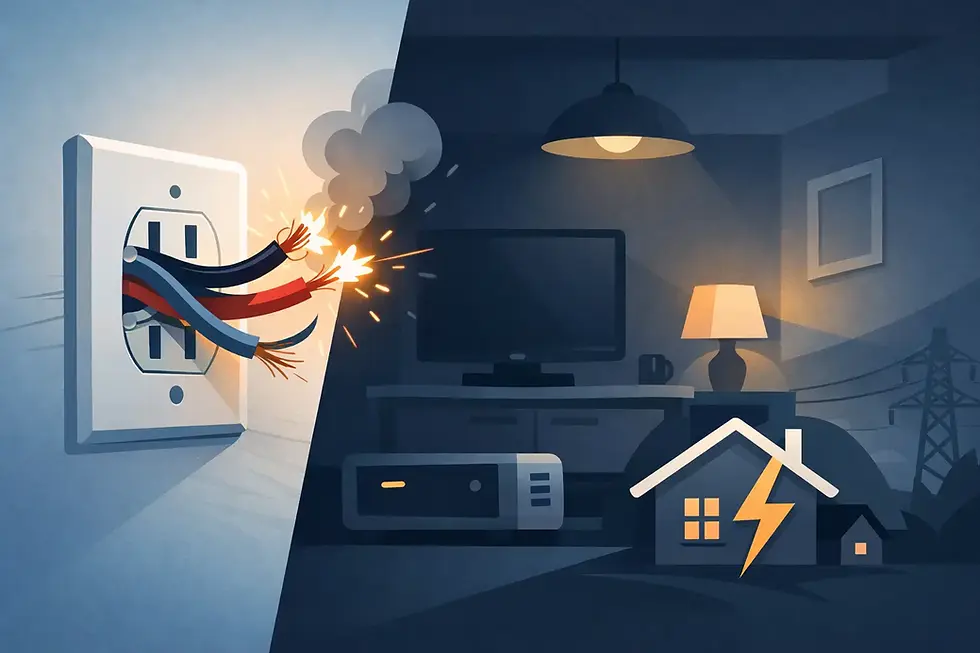
Walk through the house and pay attention to anything that feels warm, buzzes, sparks, has cracked cover plates, or does not hold a plug securely. A switch that works only sometimes or makes a popping sound should not be ignored. These issues can point to loose wiring, worn devices, or overloaded circuits.
This is also a good time to look at outlet placement in kitchens, bathrooms, garages, laundry rooms, and outdoor spaces. These areas should have the proper protection for moisture-prone conditions. If they do not, or if protection is outdated or not functioning correctly, the fix is usually straightforward and well worth it.
Test GFCI and AFCI protection
Some of the best safety checks for homeowners involve devices that are specifically designed to reduce injury and fire risk. GFCI outlets help protect against shock in wet or damp areas. AFCI protection helps detect dangerous electrical arcing that can lead to fires.
Homeowners can test GFCI outlets by using the test and reset buttons. If the outlet does not trip or reset properly, it needs attention. AFCI protection is a little less familiar to many homeowners, but it matters just as much, especially in bedrooms, living areas, and other frequently used spaces.
The trade-off here is simple. Older homes may not have the level of protection found in newer homes, and upgrades are not always required all at once. Still, if you are already replacing devices or making electrical improvements, it makes sense to bring safety protection up to a better standard.
Look for extension cord and power strip overload
One of the clearest signs that a home needs electrical attention is when extension cords become permanent wiring. If you are relying on power strips in multiple rooms, running cords under rugs, or using adapters because there are not enough outlets, your house is telling you something.
Temporary solutions have a way of becoming long-term habits. That is where risk increases. Overloaded strips, damaged cords, and hidden heat buildup can create conditions that are easy to miss until there is a failure.
A better fix may be as simple as adding outlets where you actually use power. In some homes, it may point to the need for dedicated circuits for appliances, office equipment, or garage tools.
Inspect lighting inside and out
Lighting safety goes beyond changing bulbs. Interior fixtures that flicker, dim unexpectedly, or stop working intermittently may have loose connections or compatibility issues. Recessed lights, older fixtures, and overloaded lighting circuits are worth a closer look if performance has changed.
Outside, check porch lights, garage lighting, pathway fixtures, and landscape lighting for exposed wiring, water intrusion, damaged housings, and unreliable operation. Outdoor systems take a beating from weather, and even a small issue can become a larger one after a storm or freeze.
Good lighting is also part of home security. A dark side yard, a poorly lit driveway, or an entryway with unreliable lighting creates safety concerns that are not strictly electrical but still matter for homeowners.
Check smoke alarms and carbon monoxide alarms
These devices are simple, but they only help if they are working. Test alarms regularly, replace batteries as needed, and pay attention to age. Many alarms should be replaced after a set number of years, even if they still seem functional.
If your alarms go off for no reason, chirp constantly after battery replacement, or are missing in key areas, it is time to correct that. Homes should have proper coverage near sleeping areas and on each level.
This is one of those checks where homeowners can handle the basics, but hardwired alarm issues are better left to a qualified electrician. If a hardwired alarm is failing, disconnecting it or ignoring it is not a real solution.
Watch for signs of hidden wiring problems
Not every electrical issue is visible at the outlet or panel. Sometimes the warning signs show up elsewhere in the house.
Lights that dim when major appliances start, breakers that trip when nothing obvious has changed, burning odors near walls, or mild shocks from appliances can all point to hidden problems. So can unexplained dead outlets, especially when they fail in groups.
It depends on the age of the home and the scope of the issue. In some cases, the problem is a single worn device. In others, the home may have aging wiring, poor previous repair work, or service capacity that no longer fits the household.
Do a seasonal garage and basement check
Garages and basements tend to collect both storage and electrical stress. Freezers, chargers, power tools, work lights, sump pumps, and holiday equipment often end up sharing circuits that were not designed for heavy use.
Look for exposed cords, overloaded receptacles, signs of moisture near outlets, and appliances plugged into extension cords instead of permanent outlets. In basements, also watch for water near panels or wiring paths. Moisture and electricity are a bad combination, even when there is no immediate outage.
This matters even more in storm season. Backup systems, sump equipment, and garage circuits all need to be reliable when the weather turns quickly.
Pay attention after any home upgrade
A lot of electrical safety issues begin after a seemingly unrelated home project. New appliances, a finished basement, a remodeled kitchen, added outdoor lighting, or even a garage refrigerator can change your electrical load.
Any time you upgrade how you use the home, ask whether the electrical system still fits that use. A circuit that was fine before may now be carrying too much. An older panel may now be undersized. A room that gained new devices may need more outlets or better protection.
That does not mean every project requires a major electrical overhaul. It does mean safety should be part of the conversation whenever the home changes.
When to call a professional
Some checks are homeowner-friendly. Testing alarms, watching for warning signs, and noticing changes in performance are all useful first steps. But if you see repeated breaker trips, warm outlets, buzzing switches, panel concerns, or any sign of burning, it is time to stop troubleshooting on your own.
A qualified residential electrician can determine whether the issue is isolated or part of a larger system problem. That matters because guessing can waste time and money. More importantly, it can leave the real hazard in place.
For Omaha homeowners, having a trusted local electrician matters. Homes vary widely in age, layout, past repairs, and electrical capacity. A practical inspection from a residential specialist like Proton Electric can help you identify what needs immediate attention, what can be planned for later, and where a targeted upgrade will improve both safety and everyday use.
The best home safety routine is the one you actually keep up with. A few careful checks each season can catch problems early, protect your investment, and make your home feel a lot more dependable every day.
Comments