
What Is Electrical Repair for Homeowners?
- Derek Curtis
- Apr 25
- 6 min read
A light switch that suddenly stops working, an outlet that feels warm, or a breaker that keeps tripping usually leads to the same question: what is electrical repair, and does this problem need professional attention? For homeowners, electrical repair means diagnosing and fixing problems in a home's electrical system so it works safely, reliably, and as it should.
That can include a small issue, like replacing a damaged outlet, or a larger one, like correcting faulty wiring or repairing parts of an electrical panel. The goal is not just to get the power back on. It is to restore safe operation and prevent the kind of hidden problems that can lead to fire risk, equipment damage, or constant frustration in daily life.
What Is Electrical Repair?
Electrical repair is the process of finding and fixing faults in residential electrical components and systems. In a home, that usually means addressing problems with outlets, switches, light fixtures, breakers, wiring, GFCI protection, dedicated circuits, or the main panel.
Some repairs are straightforward. A worn receptacle may need replacement because plugs no longer fit securely. A bathroom GFCI outlet may need to be reset or replaced if it no longer provides proper protection. A light fixture may flicker because of a loose connection, a failing switch, or wiring that has started to break down.
Other repairs require deeper troubleshooting. If part of the house loses power without an obvious cause, the issue could involve a tripped breaker, a failed connection inside a panel, damage at a junction point, or an overloaded circuit. That is why electrical repair is not just about swapping parts. It starts with diagnosing what is actually wrong.
What Electrical Repair Usually Includes
In residential settings, electrical repair covers both visible devices and the systems behind the walls. Homeowners often think first about outlets and switches because those are the parts they use every day, but many electrical issues start elsewhere.
A repair visit may involve replacing a damaged outlet, switch, dimmer, or ceiling fixture. It may also involve repairing loose wiring connections, correcting faulty breaker behavior, replacing burned or outdated components, or solving repeated nuisance trips. In some homes, repair work also reveals that a problem is tied to age or capacity. An old panel, undersized circuit, or outdated wiring method can change the right solution.
That is an important distinction. A repair is meant to correct a failure or unsafe condition. Sometimes that fix is simple. Sometimes the most practical repair leads into a larger recommendation, such as panel replacement or a circuit upgrade, because patching the symptom would not solve the underlying issue.
Common Signs You May Need Electrical Repair
Most homeowners do not call for service because they are thinking in technical terms. They call because something feels off. Usually, that instinct is worth paying attention to.
Frequent breaker trips are one of the most common warning signs. A breaker is supposed to trip when a circuit is overloaded or when it detects a fault. If it happens once after running too many appliances, that may be easy to explain. If it keeps happening, the circuit may be overloaded, a device may be failing, or there may be a wiring issue that needs repair.
Flickering or dimming lights can also point to trouble, especially if it happens when certain appliances start up or if it affects multiple areas of the home. In some cases, the cause is minor, like a bad bulb or a loose fixture connection. In others, it can suggest a more serious wiring or panel problem.
Warm outlets, buzzing sounds, burning odors, dead outlets, sparking switches, and partial power loss are all signs that should be checked promptly. These symptoms are not just inconvenient. They may indicate loose connections or damaged components that can worsen over time.
Repair vs. Replacement: It Depends on the Problem
One of the most common questions homeowners ask is whether something can be repaired or if it needs to be replaced. The honest answer is that it depends.
If a single outlet has failed, replacement is often the repair. If a breaker is faulty, replacing that breaker may solve the issue. If a light fixture has a damaged connection, repairing that wiring may restore normal operation.
But there are times when replacement is the safer and more cost-effective option. An outdated electrical panel with recurring issues may not be a good candidate for piecemeal repairs. Wiring that has deteriorated due to age, heat, or past improper work may need more than a localized fix. The same goes for devices that show signs of repeated wear or poor performance.
A good residential electrician looks at both the immediate issue and the bigger picture. The cheapest short-term fix is not always the best value if it leaves the home with an ongoing safety concern or leads to another service call a few months later.
Why Electrical Repair Matters for Safety
Electrical problems are easy to ignore when they seem minor. A switch that works only sometimes or an outlet that cuts out now and then may not feel urgent. The problem is that electrical issues do not always stay small.
Loose connections can generate heat. Damaged wiring can arc. Faulty breakers can fail to protect a circuit the way they should. Even issues that seem random, like lights dimming in one room, can point to conditions that deserve attention before they turn into larger repairs.
Electrical repair matters because it helps protect your home, your appliances, and the people living there. It also improves day-to-day reliability. You should be able to plug in kitchen appliances, charge devices, turn on lights, and use your home normally without wondering if something is about to stop working.
What Happens During a Professional Electrical Repair Visit
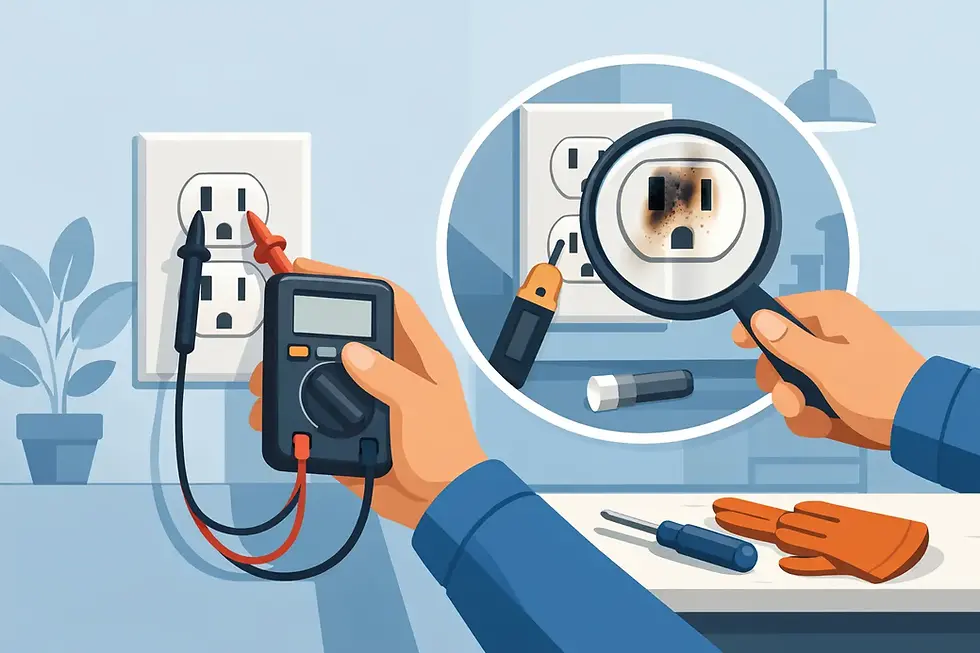
For most homeowners, the biggest value in professional electrical repair is accurate troubleshooting. Symptoms do not always point neatly to the source of the problem. A dead outlet may actually be tied to a tripped GFCI elsewhere. A flickering light may be caused by a failing switch rather than the fixture itself. A breaker trip may have less to do with the panel and more to do with what is plugged into the circuit.
A typical repair visit starts with questions about what you have noticed, when the problem started, and whether it affects one device or multiple areas of the home. From there, testing helps narrow down the cause.
Once the issue is identified, the repair may involve replacing a component, correcting a connection, isolating a damaged section of wiring, or recommending a larger fix if the system itself is outdated or overloaded. Clear communication matters here. Homeowners should understand what failed, why it failed, and whether the proposed repair is expected to solve the issue long term.
When to Call an Electrician Instead of Waiting
There are a few situations where it makes sense to call right away rather than monitor the problem. If you notice a burning smell, hear buzzing from a panel or outlet, see scorch marks, lose power to part of the home, or have a breaker that will not reset, those are strong signs the issue needs professional attention.
The same is true if an outlet or switch feels hot, if lights flicker regularly, or if older parts of the home have never been updated and electrical problems are becoming more frequent. Waiting can sometimes turn a manageable repair into a more expensive one.
For Omaha-area homeowners, practical service matters just as much as technical skill. That means getting a clear explanation, an honest recommendation, and repair work focused on the actual needs of the home. Companies like Proton Electric are built around that kind of residential service approach, where safety and everyday functionality go hand in hand.
What Homeowners Should Take Away
If you have been wondering what is electrical repair, the simplest answer is this: it is the work that restores safe, dependable power in your home when something in the electrical system stops working properly or starts showing signs of trouble.
Sometimes the fix is small. Sometimes the issue points to a larger upgrade. Either way, the right repair does more than solve an annoyance. It helps your home stay safer, work better, and support the way your household uses power every day.
If something in your home's electrical system does not seem right, trust that instinct and get it checked before a small warning becomes a bigger problem.
Comments