
How to Improve Home Lighting at Any Budget
- Derek Curtis
- Apr 19
- 6 min read
A room can have fresh paint, good furniture, and plenty of square footage and still feel off because the lighting is wrong. If you are wondering how to improve home lighting, the answer is usually not one bigger fixture in the middle of the ceiling. Better lighting comes from layering light, matching fixtures to how the room is used, and making sure the wiring and controls can support the upgrade safely.
For Omaha homeowners, lighting improvements often start with a simple complaint: the kitchen feels dim, the bathroom shadows are frustrating, or the living room looks harsh at night. Those are common issues, and they are fixable. The key is to think about lighting as part of how your home works every day, not just how it looks in a showroom.
How to improve home lighting without overdoing it
The most effective lighting plans use three types of light together: ambient, task, and accent. Ambient lighting gives the room overall visibility. Task lighting helps with specific activities like cooking, shaving, reading, or working. Accent lighting adds depth and highlights features you want to notice.
Many homes rely too heavily on ambient light alone. That is why one ceiling fixture can leave counters dark, cast shadows on faces, or make a room feel flat. Adding the right task or accent lighting often changes the space more than replacing the main fixture with a brighter one.
There is also a trade-off to keep in mind. More brightness is not always better. Overlit rooms can feel sterile, while poorly placed bright bulbs can create glare that makes a space less comfortable. Good lighting should feel balanced, useful, and easy on the eyes.
Start with the rooms you use the most
If you want noticeable results, begin with spaces where lighting affects daily routines.
Kitchen lighting
Kitchens need strong, even light, but they also need precision. A single overhead fixture often leaves shadows on countertops, especially when you stand between the light source and your workspace. Under-cabinet lighting is one of the most practical upgrades because it puts light exactly where you prep food, read recipes, and clean.
Pendant lights over an island can help, but placement matters. Too high and they do not provide enough useful light. Too low and they block sightlines. Recessed lights can improve overall coverage, but spacing should be planned carefully so you do not create bright spots and dark gaps.
Bathroom lighting
Bathrooms are one of the most common places where homeowners notice bad lighting. A light above the mirror can cast shadows under the eyes and chin, which makes grooming harder. Vertical lighting at the sides of the mirror usually gives better face lighting than a single fixture above it.
This is also a space where safety matters. Bathrooms often need fixtures rated for damp locations, and any new wiring should be installed correctly around sinks, tubs, and showers. If your bathroom lighting plan involves moving fixtures or adding new ones, it is worth having a licensed electrician handle the work.
Living room lighting
Living rooms tend to serve several purposes. They may be used for watching TV, reading, hosting guests, or helping kids with homework. That is why this room benefits from flexible lighting more than almost any other space.
A combination of recessed lighting, table lamps, floor lamps, or wall sconces can make the room feel more comfortable than one central fixture. Dimmer switches are especially useful here because the right light level for movie night is very different from the right light level for conversation or cleaning.
Bedroom lighting
Bedrooms should feel calm, not overly bright. Soft ambient light paired with bedside task lighting usually works best. If you read in bed, rely on a focused lamp or sconce instead of turning the whole room into daylight.
Closets are another common weak spot. Better closet lighting can make everyday routines easier, especially in older homes where storage areas may have limited illumination.
Choose the right color temperature
One reason lighting can feel wrong even when it is bright enough is color temperature. This affects whether the light appears warm, neutral, or cool.
Warm white light usually feels more relaxing and works well in bedrooms, living rooms, and dining areas. Neutral or cooler light is often better for kitchens, bathrooms, laundry rooms, and workspaces where clarity matters. The mistake many homeowners make is mixing very different bulb colors in the same room. That can make the space feel inconsistent and less polished.
If you are replacing bulbs only, this is an easy improvement. If you are upgrading fixtures throughout the home, it helps to choose a consistent lighting plan instead of buying one fixture at a time and hoping it all works together.
Pay attention to controls, not just fixtures
A lighting upgrade is not only about what is on the ceiling or wall. Controls make a major difference in convenience and energy use.
Dimmer switches are one of the best upgrades for homeowners who want more control without a major remodel. They let you adjust brightness based on time of day, activity, and mood. Motion sensors can be useful in garages, laundry rooms, pantries, and outdoor entry points. Smart switches may also make sense if you want scheduling or app-based control, though they are not necessary for every household.
What matters is choosing controls that fit the way you actually live. A highly automated setup sounds appealing, but some homeowners prefer simple, dependable switches that anyone can use without a learning curve.
Improve home lighting with layered light outdoors too
When people think about how to improve home lighting, they often focus only on indoor rooms. Outdoor lighting matters just as much. It improves curb appeal, helps guests move safely, and adds security around doors, walkways, driveways, and backyards.
Front entry lighting should be bright enough to clearly illuminate steps, locks, and house numbers. Path lighting can guide movement without flooding the yard with glare. Landscape lighting can highlight trees, architectural features, or garden beds, but restraint usually works better than trying to light everything at once.
Backyards and patios also benefit from intentional lighting. If you entertain outdoors, softer layered lighting often feels more inviting than one very bright floodlight. The goal is visibility with comfort, not turning the yard into a parking lot.
Watch for electrical limits in older homes
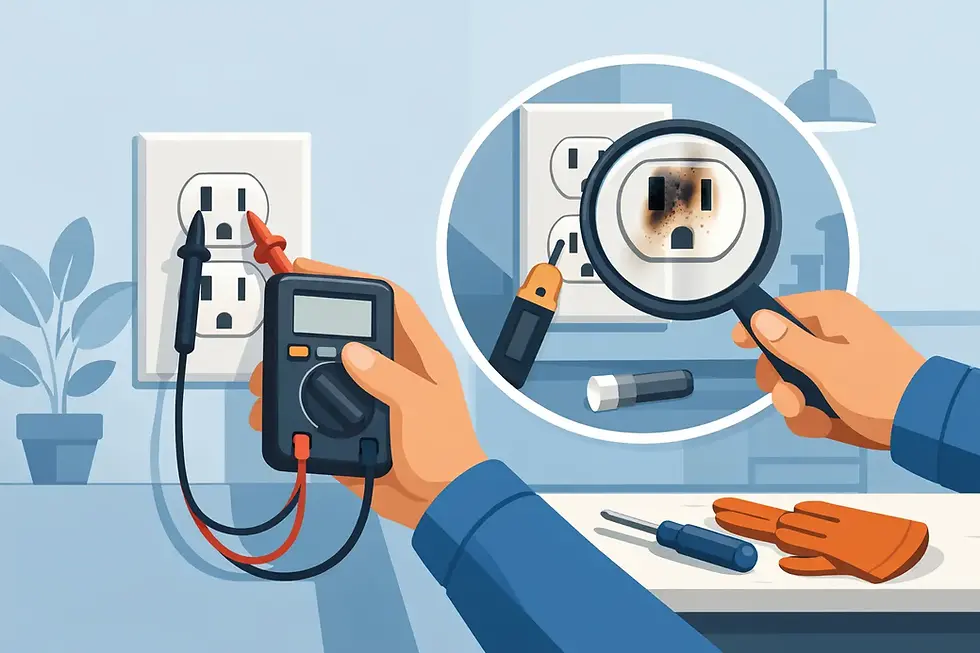
Some lighting projects look simple on the surface but reveal larger electrical concerns once work begins. Older homes may have outdated wiring, limited switch locations, undersized boxes, or panels that are already carrying a heavy load. If lights flicker, switches feel warm, breakers trip, or certain rooms seem underpowered, those are signs the issue may go beyond fixture style.
This is where professional guidance matters. A new fixture will not solve a wiring problem, and adding recessed lights or outdoor lighting may require circuit evaluation before installation. For homeowners planning larger upgrades, it can make sense to look at lighting and electrical capacity together rather than treating them as separate projects.
When DIY works and when it does not
There are lighting changes homeowners can handle on their own, like swapping bulbs, adding plug-in lamps, or testing different shades and color temperatures. Those simple changes can make a room feel better quickly.
But if the project involves new wiring, relocating fixtures, adding recessed lights, replacing switches with dimmers, or installing outdoor lighting, it is smarter to bring in a licensed electrician. The benefit is not just code compliance. It is knowing the fixtures are supported correctly, the circuits are safe, and the final result works the way you expect.
For local homeowners who want practical help, Proton Electric handles residential lighting upgrades with the same focus that matters in any electrical work: safety, function, and clear solutions that fit the home.
A smart way to plan your lighting upgrade
If your whole house needs attention, do not feel like you have to redo everything at once. Start with the rooms where poor lighting causes the most frustration, then work outward. Kitchens, bathrooms, living rooms, and exterior entry points usually deliver the fastest return in comfort and usability.
It also helps to think beyond style. The best lighting choices are the ones that make daily life easier. A beautiful fixture that leaves your counters dark or your hallway dim is not really an upgrade.
Good home lighting should make your spaces feel more comfortable, more useful, and safer to move through at any hour. If a room has never quite felt right, there is a good chance the lighting is the reason - and fixing it can change more than you expect.
Comments