
Electrical Repair Cost for Omaha Homes
- Derek Curtis
- May 6
- 6 min read
A flickering light or dead outlet rarely stays a small annoyance for long. For most homeowners, the first question is simple: what will the electrical repair cost, and what makes one job a quick fix while another turns into a bigger investment?
The honest answer is that pricing depends on the problem, the age of the home, how accessible the wiring is, and whether the repair uncovers a larger safety issue. In Omaha, that can mean the difference between replacing a worn device in one visit and finding outdated wiring or an overloaded panel that needs more attention. Knowing what drives cost helps you make a better decision before the issue gets worse.
What affects electrical repair cost?
Electrical work is not priced by one flat number because not all repairs carry the same risk, labor time, or material needs. A simple switch replacement is very different from troubleshooting a circuit that trips repeatedly or correcting damaged wiring behind finished walls.
Labor is usually the biggest factor. Electricians are not just swapping parts. They are diagnosing the cause, testing the system, making the repair safely, and confirming the issue is fully resolved. A problem that looks minor on the surface can take longer if the fault is hidden, intermittent, or tied to multiple devices on the same circuit.
Materials also matter, though often less than homeowners expect. Standard outlets, switches, breakers, and light fixtures may be fairly affordable on their own. Cost rises when a repair involves GFCI or AFCI protection, specialty dimmers, dedicated circuits, new wiring runs, or panel components.
Access is another major variable. If wiring is easy to reach through an unfinished basement or open utility area, repairs tend to be more straightforward. If the issue is inside finished walls, high ceilings, older plaster, or crowded panel spaces, labor time can increase.
Then there is code compliance. In many homes, especially older ones, a repair may reveal work that was done years ago but would not meet current standards today. That does not always mean a full upgrade is required, but it can change the scope of the job.
Common residential repairs and typical cost ranges
When homeowners ask about electrical repair cost, they usually want a ballpark number. While every home is different, some jobs follow predictable patterns.
Replacing a standard outlet, switch, or light fixture is often on the lower end of residential electrical service, assuming the existing wiring is in good shape and there are no hidden complications. If the box is damaged, the wiring is brittle, or the circuit is overloaded, the cost can move up because the repair is no longer just a part swap.
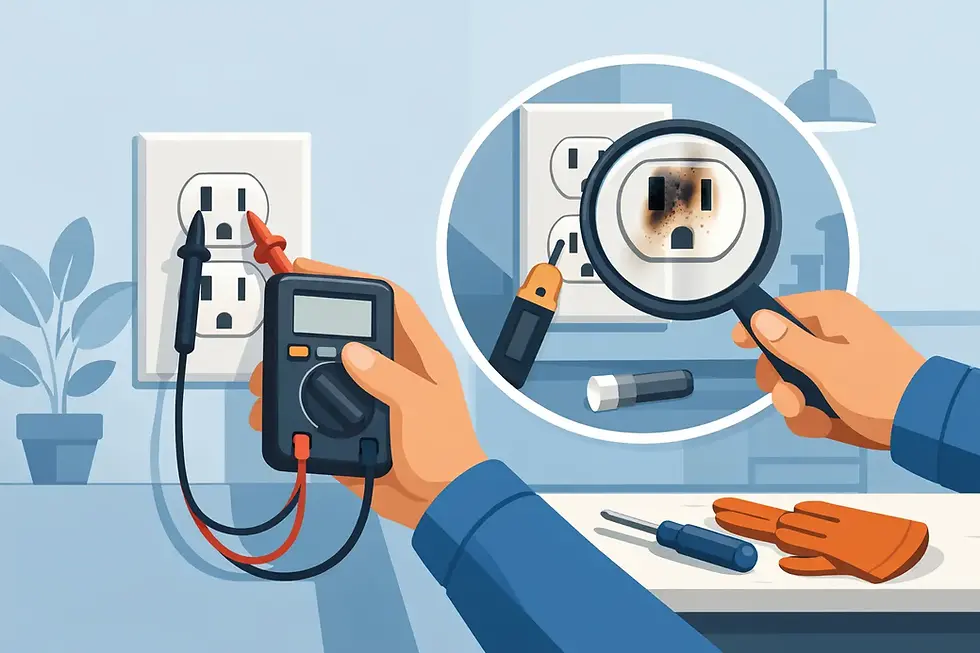
Troubleshooting usually falls into a different category. If a breaker keeps tripping, lights dim unexpectedly, or part of the house loses power with no clear reason, diagnosis comes first. That can be the right approach financially because guessing is what leads to repeat service calls and unfinished fixes. In many cases, paying for a proper diagnostic visit saves money compared to replacing random parts that were never the real problem.
GFCI outlet replacement in kitchens, bathrooms, garages, and outdoor areas may cost more than a standard receptacle because the device itself is different and testing matters. The same is true for AFCI breaker issues, which can be more complex to diagnose in bedrooms or living spaces.
Ceiling fan replacements, landscape lighting repairs, and interior lighting upgrades can vary widely. If existing wiring and support are already in place, the job may be fairly routine. If not, the work can shift toward installation rather than repair, and that affects price.
Electrical panel repairs and breaker replacement are where cost ranges widen quickly. Sometimes a bad breaker or loose connection is the whole issue. Other times, repeated breaker problems point to a panel that is at capacity, aging poorly, or no longer a good fit for the home's needs.
Why older homes often cost more to repair
Many Omaha homes have character, but older electrical systems often come with extra labor and more unknowns. A repair in a newer home is usually easier to predict because wiring methods, panel labeling, and device boxes are more consistent.
In an older home, electricians may find ungrounded circuits, mixed wiring from different decades, crowded junction boxes, or devices that were replaced without addressing the underlying wiring condition. Sometimes the visible problem is just the symptom. The real issue is hidden upstream.
That does not mean every older home needs a full rewiring project. It does mean repair pricing can be less predictable until the issue is tested. Homeowners often appreciate a clear estimate even more in these situations because it separates the immediate safety concern from optional upgrades that can be planned later.
Repair or replace? The cost question that matters
The lowest upfront price is not always the best value. If a device fails because it is worn out, replacing that device may be all you need. If it failed because the circuit is overloaded, the connection is damaged, or the panel is no longer performing reliably, a simple replacement might only delay a larger issue.
This is where a good electrician helps you weigh repair against replacement. For example, replacing one breaker can be reasonable. Replacing multiple breakers in an older panel with a history of issues may not be the smartest long-term use of your money. The same logic applies to light fixtures, outlets, and switches that continue to act up because the wiring behind them is the real problem.
Homeowners also have to consider convenience. A repair that keeps failing costs more over time in repeat visits, lost time, and frustration. A slightly larger investment upfront may solve the problem once and improve daily use of the home.
How to keep electrical repair cost from climbing
Waiting is usually what makes a manageable repair turn expensive. A warm outlet, buzzing switch, tripping breaker, or partial power loss should not be ignored. Small failures can damage devices, stress the panel, or create safety hazards that lead to broader repairs later.
It also helps to describe the issue clearly when you schedule service. Mention when the problem started, whether it happens all the time or only occasionally, and what else is affected. If one breaker trips whenever the microwave and toaster run together, that detail matters. If outdoor lights fail only after rain, that matters too. Better information can shorten troubleshooting time.
Routine improvements can also prevent future service calls. Replacing worn devices, upgrading old fixtures, and addressing panel limitations before they become urgent often gives homeowners more control over timing and budget.
Transparent estimates matter more than bargain pricing
A low number over the phone may sound appealing, but electrical work should be priced based on the actual condition of the home. Good estimates explain what is included, what may change if hidden issues are found, and whether the recommendation is a repair, a replacement, or an upgrade.
For homeowners, transparency is often more valuable than the cheapest figure. You want to know whether the price covers diagnosis, labor, materials, testing, and any code-related corrections directly tied to the problem. You also want to know if there are options. In some cases, there is a practical short-term repair and a better long-term improvement, and both deserve a clear explanation.
That is especially helpful when the repair was unexpected. Flexible payment options can make it easier to address a needed fix now instead of delaying it until the problem worsens. For many families, convenience matters right along with safety.
When to call for professional help
Any sign of overheating, burning odor, sparking, repeated breaker trips, or power loss in part of the home should be checked by a licensed electrician. The same goes for outlets that no longer hold plugs securely, switches that feel hot, or lighting that flickers for no obvious reason.
Some homeowners are comfortable changing a light bulb or resetting a breaker, but most electrical repairs involve more than a visible part. There is a reason diagnosis matters. The safest repair is the one that fixes the cause, not just the symptom.
For Omaha-area homeowners, the best approach is to treat electrical service as both a repair need and a home improvement decision. A reliable fix protects your home, improves everyday function, and gives you a clearer picture of what your system needs next. Proton Electric works with homeowners who want that kind of straightforward guidance, especially when cost, safety, and convenience all matter at the same time.
If you are weighing an electrical issue right now, focus less on finding the lowest number and more on getting a clear answer. The right repair cost is the one that solves the problem safely and leaves your home in better shape than it was before.
Comments