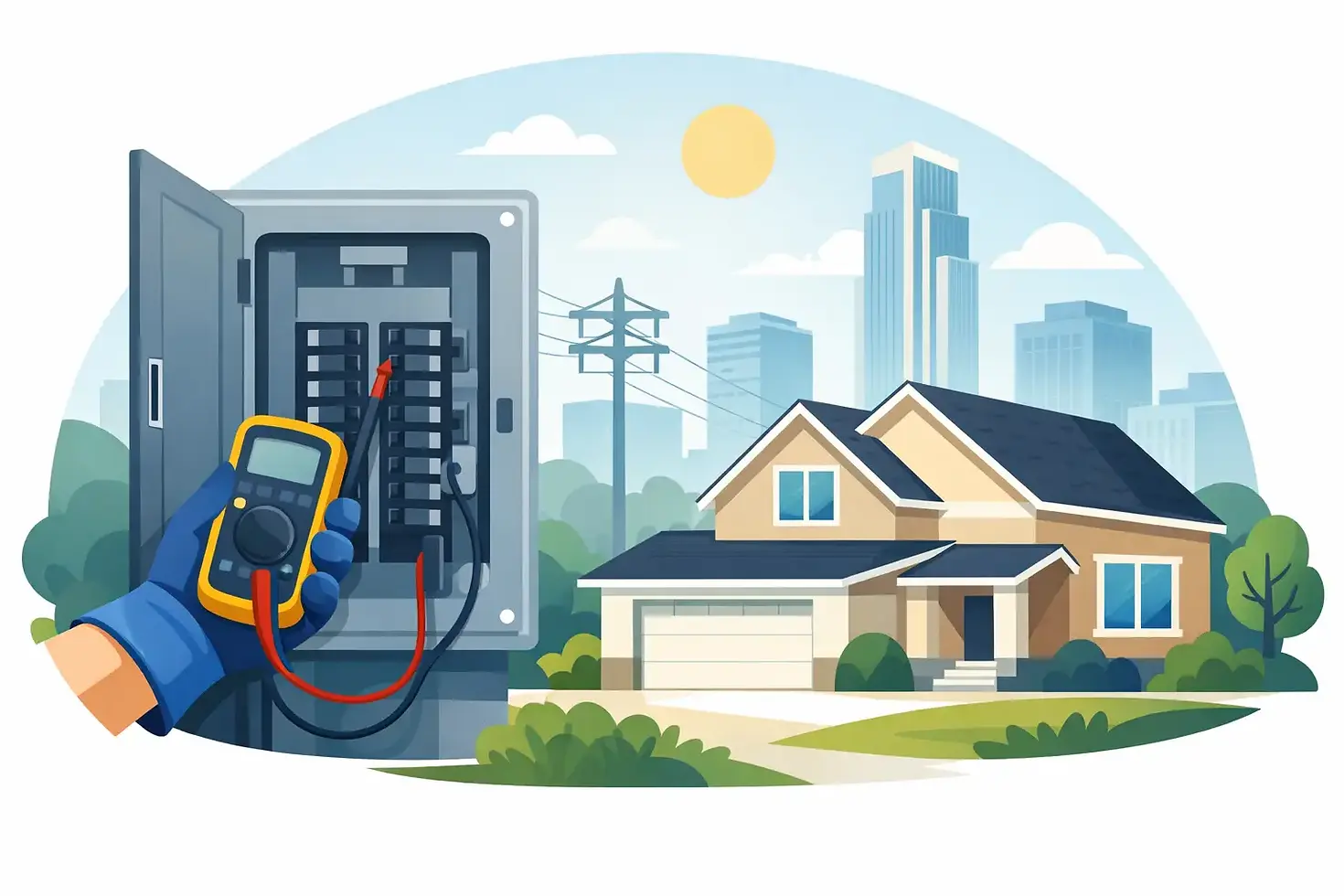
Electrical Panel Replacement Guide for Omaha Homes
- Derek Curtis
- 10 hours ago
- 6 min read
A breaker that trips once after a space heater runs may not mean your home needs a new panel. A panel that feels warm, smells burned, has corrosion inside, or cannot support the circuits your household uses is different. This electrical panel replacement guide helps Omaha homeowners recognize when an upgrade is worth planning and what the job should involve.
Your electrical panel is the traffic control center for your home’s power. It receives electricity from the utility, distributes it through branch circuits, and shuts off power when a circuit is overloaded or develops a fault. When that equipment is outdated, damaged, undersized, or improperly installed, everyday conveniences can turn into avoidable safety concerns.
When Should You Replace an Electrical Panel?
Age alone does not automatically make a panel unsafe. Many older panels can continue operating properly when they are in good condition, correctly sized, and professionally maintained. The better question is whether the panel can safely handle the home as it is used now.
Frequent breaker trips are one warning sign, especially if they occur on multiple circuits or without a clear cause. Breakers are designed to trip when a circuit is overloaded or a fault occurs. Resetting one occasionally is normal. Repeated trips should be diagnosed rather than ignored or worked around with extension cords.
Other signs deserve a prompt inspection: lights that flicker when large appliances start, breakers that will not reset, buzzing or crackling from the panel, a hot panel cover, rust or water damage, or a burning odor. These conditions can point to loose connections, moisture intrusion, damaged breakers, or other issues that need professional attention.
A panel upgrade may also make sense when your electrical needs have changed. Home additions, finished basements, kitchen remodels, electric vehicle chargers, hot tubs, heat pumps, and workshop equipment can add substantial demand. Even a home that has not changed much may be using more power than it did decades ago through modern appliances, computers, entertainment equipment, and charging devices.
Panels with limited capacity
A lack of open breaker spaces does not always require a full replacement. In some cases, an electrician can evaluate approved alternatives or reorganize circuits safely. But a crowded panel, a low service rating, or a panel that has been modified repeatedly can signal that replacement is the more dependable long-term choice.
Many Omaha homes benefit from 200-amp service, particularly when homeowners are planning major electrical upgrades. Still, 200 amps is not the automatic answer for every property. A licensed electrician should perform a load calculation based on the home’s square footage, heating and cooling equipment, appliances, and planned additions. The goal is to install capacity that fits the home, not simply choose the largest number.
Electrical Panel Replacement Guide: What the Work Includes
Panel replacement is more than swapping an old metal box for a new one. It is a service upgrade or equipment replacement that requires careful planning, safe shutdown procedures, correct grounding and bonding, and a final inspection. Because the service equipment carries high levels of electrical energy, this is not a homeowner DIY project.
The process usually starts with an on-site evaluation. An electrician examines the existing panel, service entrance equipment, meter location, visible wiring condition, breaker capacity, grounding system, and the circuits serving the home. This is also the time to discuss future needs. If you expect to add an EV charger next year, mentioning it now can help prevent paying for avoidable changes later.
Next comes the scope of work and estimate. A clear estimate should explain whether the project includes a panel replacement only or changes to the service, meter equipment, grounding electrodes, surge protection, circuit extensions, or repairs to existing wiring. Homeowners should feel comfortable asking what is included, what might be discovered after opening the panel, and how those findings would be handled.
Permits and inspections are a normal part of legitimate electrical work. Requirements can vary based on the home, the type of upgrade, and local authority rules. A qualified local electrician coordinates the required process and completes the installation to the applicable code. If utility coordination is needed for the service disconnect or meter work, that should be part of the scheduling conversation as well.
On installation day, the electrician will shut off power and remove the old equipment. Individual circuits are identified, inspected, transferred to the new panel, and protected by properly sized breakers. The work may include labeling circuits, correcting grounding and bonding details, and adding required protective devices. The electrician then tests the system before restoring power.
Most panel replacements require a planned power outage. The length depends on the existing setup and whether service equipment or repairs beyond the panel are involved. Plan ahead by charging phones, keeping refrigerator and freezer doors closed, arranging for internet interruptions, and making sure any medical equipment has an appropriate backup plan.
Factors That Affect Panel Replacement Cost
There is no responsible one-price answer for every electrical panel replacement. The panel itself is only one part of the project. The final cost depends on the home’s existing electrical system and the work needed to make the installation safe and code-compliant.
Key factors include the amperage of the new service, the number of circuits, accessibility of the panel, the condition of existing wiring, whether the meter or service entrance must be upgraded, and whether the job requires trenching, drywall repair, or other related work. Older homes sometimes reveal issues such as deteriorated wire insulation, double-tapped breakers, inadequate grounding, or water damage that should be addressed during the project.
It can be tempting to choose an estimate based only on the lowest price. But panel work affects the safety and reliability of the entire home. Compare the actual scope, materials, permit and inspection handling, warranty information, and the contractor’s experience with residential service work. A detailed estimate helps you make a fair comparison.
For homeowners facing an unexpected electrical issue, flexible payment options can make a necessary repair easier to manage. Ask about available payment methods before work begins so there are no surprises.
How to Prepare for a Panel Upgrade
A little preparation helps the installation day go smoothly. Clear a path to the electrical panel and move stored items away from the work area. The electrician needs safe access to the panel, meter area, and sometimes attic, basement, crawlspace, or exterior grounding locations.
It also helps to make a short list of electrical concerns you have noticed. Include circuits that trip, rooms with flickering lights, outlets that do not work, or appliances that cause problems. These details can help identify related issues that may not be obvious during a visual inspection.
Before the appointment, think about upcoming home projects. A future basement finish, kitchen remodel, garage workshop, or vehicle charger can affect panel sizing and circuit layout. Planning for those needs while the panel is open is often more efficient than revisiting the work later.
What not to do before service
Do not remove the panel cover, tighten internal connections, replace a breaker with a larger one, or keep resetting a breaker that trips repeatedly. A breaker’s size is matched to the wire and circuit design. Installing a larger breaker without correcting the underlying issue can allow wiring to overheat.
Avoid using power strips and extension cords as permanent solutions for too few outlets or overloaded rooms. They may hide the problem for a while, but they do not add safe circuit capacity.
After the New Panel Is Installed
A new panel gives you a safer foundation, but it is still wise to use the system thoughtfully. Keep the panel area clear and dry, and make sure the circuit directory remains accurate. If you remodel a room or add a circuit later, update the labels so anyone in the home can identify breakers quickly during an outage or emergency.
Test smoke and carbon monoxide alarms regularly, use GFCI protection where required, and schedule professional troubleshooting if you notice changes in how the system performs. A new panel will not fix a damaged appliance, loose outlet, or failing circuit elsewhere in the house, but it gives an electrician a more reliable starting point for diagnosing those concerns.
For Omaha homeowners, the right replacement is not just a newer panel. It is a properly planned installation that fits the way your family lives now and leaves room for the improvements you are considering next. Proton Electric can provide a clear evaluation and free estimate, so you can make that decision with the facts in front of you.


Comments