When to Call an Electrician: 7 Warning Signs to Watch For
You should call an electrician if you notice flickering lights, frequently tripping circuit breakers, burning smells near outlets, or if your home still uses outdated two-prong outlets. Professional intervention is essential whenever electrical components feel warm, make buzzing noises, or if you are planning major home renovations or appliance upgrades.
Electricity is the lifeblood of the modern home, powering everything from your morning coffee to your evening entertainment. However, because it is largely invisible and contained behind walls, it is easy to take for granted until something goes wrong. Understanding when to call an electrician is not just about convenience; it is a fundamental aspect of home safety and preventative maintenance. Small issues like a loose wire or an overloaded circuit can quickly escalate into fire hazards or expensive equipment failures if ignored.
Why is it important to know when to call an electrician?
Knowing when to call a professional electrician can save you thousands of dollars in property damage and, more importantly, protect your family from harm. According to the National Fire Protection Association (NFPA), electrical failures or malfunctions are a leading cause of home fires. Many of these incidents are preventable if the early warning signs are addressed by a licensed professional.
Professional electricians, like the team at Proton Electric LLC, bring specialized training and diagnostic tools to the table. While a homeowner might see a flickering light as a minor nuisance, an electrician sees a potential loose connection or a failing neutral wire that could damage the entire electrical system. Furthermore, many Electrical Repairs & Installations must meet strict local building codes in Omaha to ensure the safety of the occupants and to maintain the validity of your home insurance policy.
Five critical signs of an electrical emergency
While some issues can wait for a scheduled appointment, others require immediate attention. If you encounter any of the following, you should treat it as an emergency and contact a professional right away:
- The Smell of Burning Plastic: If you notice a fishy or acrid smell coming from an outlet or switch, it likely indicates that the insulation is melting due to excessive heat.
- Visible Sparks or Smoke: Any time an outlet or appliance sparks when plugged in, there is a serious risk of fire or electrocution.
- Buzzing or Humming Noises: Electricity should be silent. A buzzing sound often indicates a loose connection or a failing circuit breaker.
- Water Damage to the System: If your basement floods or a pipe leaks onto electrical components, do not touch anything. Call an electrician to safely de-energize and inspect the system.
- Electric Shocks: Even a mild "tingle" when touching an appliance or switch is a sign of a dangerous ground fault that needs immediate repair.

What causes flickering or dimming lights in your home?
One of the most common reasons homeowners wonder when to call an electrician is flickering or dimming lights. While it might seem like a simple bulb issue, it often points to a deeper systemic problem. If the flickering occurs when a large appliance, like the air conditioner or refrigerator, kicks on, it usually means that your electrical system is struggling to handle the initial surge of power.
This could be a sign that your circuits are overloaded or that the wiring leading to those specific fixtures is inadequate. In older homes throughout Omaha and Papillion, the original wiring was never intended to handle the power demands of modern life. Persistent flickering can also be caused by loose wiring in the light fixture or at the circuit breaker itself. Because loose wires generate heat, this seemingly minor annoyance is actually a fire risk that deserves a professional evaluation.
Common reasons your circuit breakers keep tripping
Circuit breakers are designed to be safety devices. They "trip" or shut off the flow of electricity when they detect a problem, such as an overload or a short circuit. If you find yourself frequently walking to the garage or basement to flip a switch back on, it is a clear indicator that something is wrong. Common causes include:
- Overloaded Circuits: Attempting to draw more power than a circuit is rated for.
- Short Circuits: When a hot wire touches a neutral wire, causing a massive surge of current.
- Ground Faults: When a hot wire touches a ground wire or the side of a metal box.
- Faulty Breakers: Over time, the internal components of a breaker can wear out and fail.
- Arc Faults: Dangerous sparking within the wiring that your breaker is trying to stop.
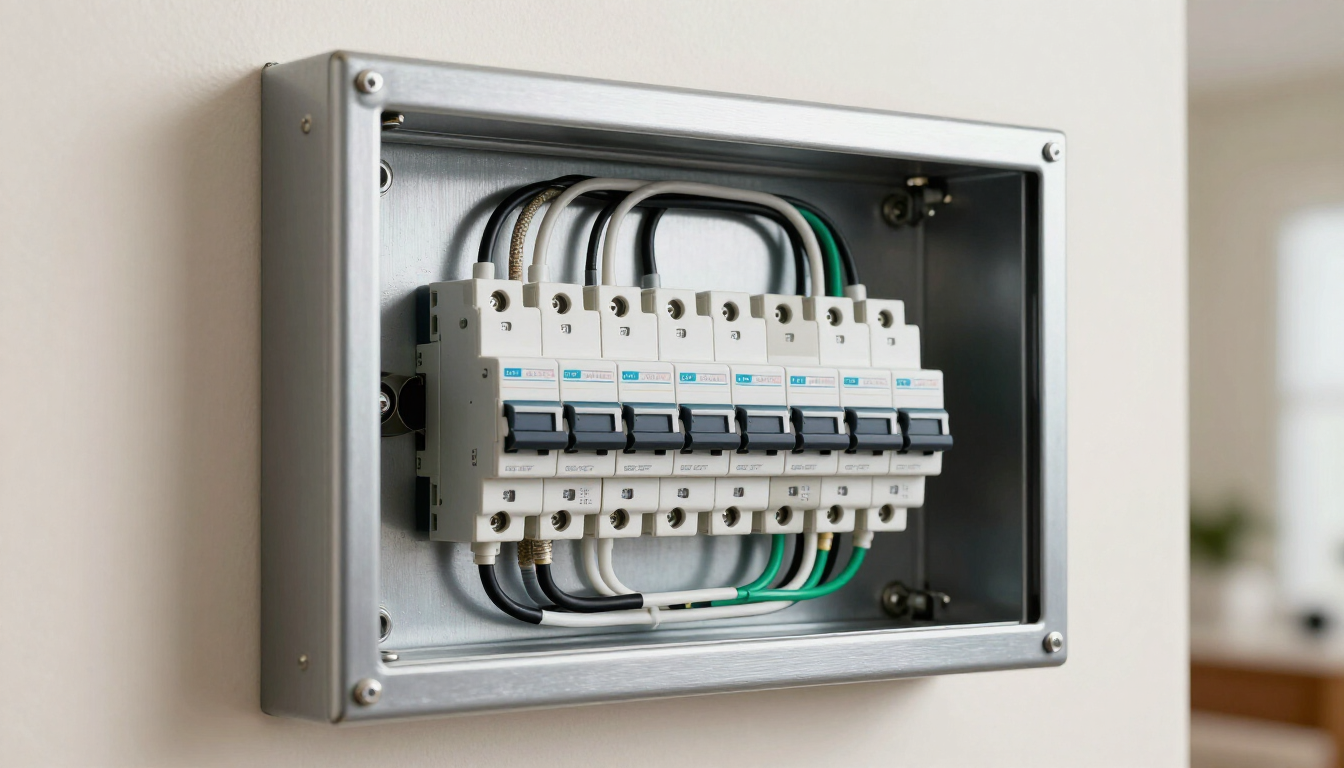
If a breaker trips immediately after you reset it, do not try again. This is a sign of a direct short and is a major fire hazard. This is a primary example of when to call an electrician to diagnose the source of the fault and ensure your Electrical Panel & Power Distribution Services are functioning correctly.
Why are my electrical outlets warm to the touch?
Electrical outlets should never feel warm. If you touch a faceplate and it feels hot, or if you notice discoloration (browning or blackening) around the plug holes, you have a serious problem. This heat is usually caused by "arcing," where electricity jumps across a gap in the wiring, or by a high-resistance connection.
High resistance can occur when wires are improperly terminated or when the outlet itself has become worn out and can no longer hold a plug firmly. This creates a bottleneck for electricity, generating heat that can eventually ignite the surrounding wall studs or insulation. If you notice warm outlets, unplug everything from that circuit and call Proton Electric LLC immediately. We can replace the damaged components and check the integrity of the wiring behind the wall to ensure your home remains safe.
When should you upgrade your electrical panel?
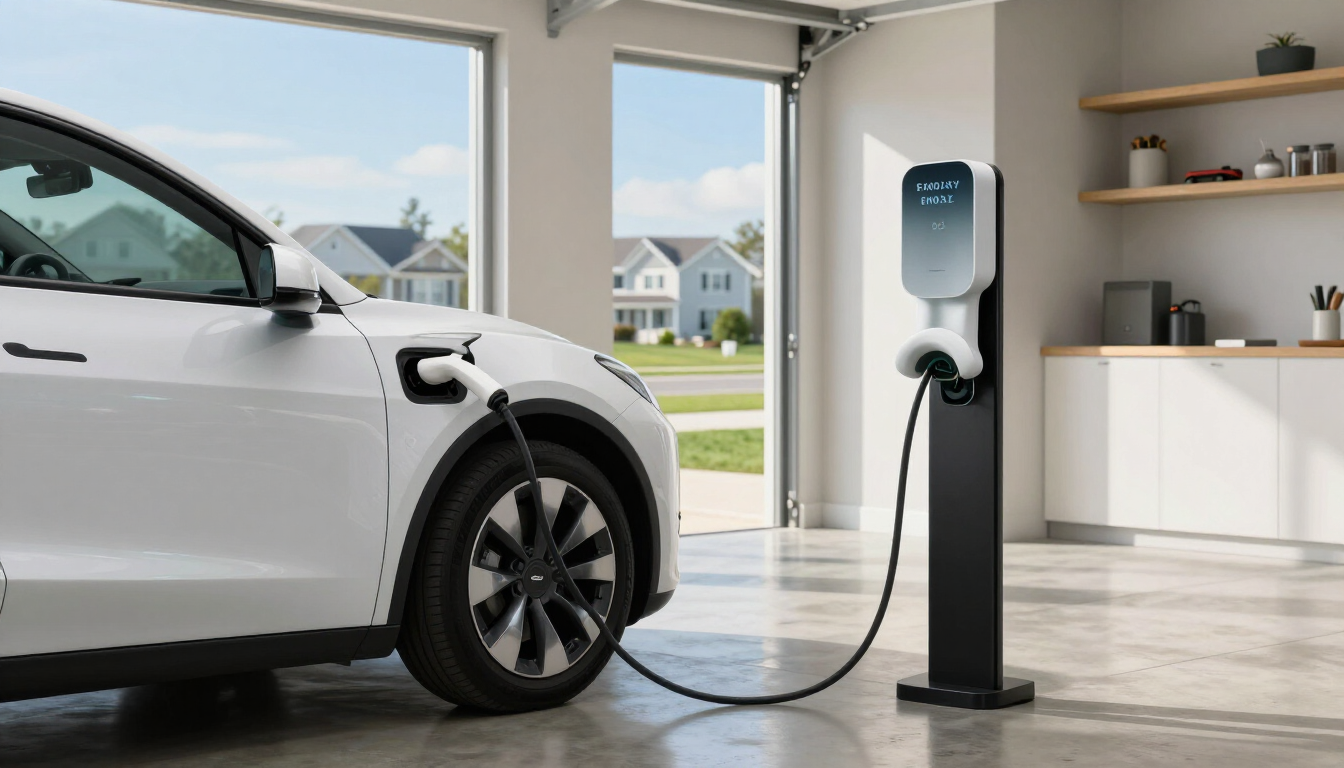
Your electrical panel is the heart of your home’s power system. If your home is more than 20 or 30 years old, your panel may be obsolete. Older panels, such as those made by Federal Pacific or Zinsco, have high failure rates and may not trip when they should, leading to fires. Furthermore, as we add EV chargers, hot tubs, and high-end kitchen appliances, the demand on the panel increases.

An upgrade is often necessary if you are adding significant load to your home. You might also need a panel upgrade to meet modern building codes during a sale or to satisfy your homeowner's insurance requirements. Investing in Electrical Panel & Power Distribution Services ensures that your home can handle modern power demands safely and efficiently. If you see rust on your panel or hear it clicking, those are definitive signs it is time for a professional replacement.
Planning for home remodeling and wiring updates
Whenever you are opening up walls for a renovation, it is the perfect time to call an electrician. Whether you are updating a kitchen or finishing a basement, the electrical requirements for these spaces are specific and complex. Kitchens, for example, require specialized GFCI (Ground Fault Circuit Interrupter) outlets and dedicated circuits for appliances like dishwashers and microwaves.
Our team specializes in Home Remodeling & Interior Electrical , helping you plan the placement of outlets, switches, and lighting to match your new layout. Beyond the interior, you may also need Outdoor & Exterior Electrical Services for patio lighting, security cameras, or power for a new shed. Getting an electrician involved early in the planning phase prevents costly mid-project changes and ensures everything is up to code from day one.
The risks of ignoring minor electrical issues
It is tempting to ignore a switch that occasionally doesn't work or a plug that falls out of the outlet. However, these minor issues are often symptoms of larger problems. A loose outlet can cause arcing, which destroys the copper wire over time. A faulty switch can lead to heat buildup inside the wall.
By the time an electrical issue becomes a visible fire, the damage is already extensive. Dealing with these problems early is much more cost-effective than a major emergency repair. Furthermore, consistent power quality is essential for the longevity of your expensive electronics. Voltage spikes or
Seeing one of these warning signs?
Recent Posts