
5 Ways Flickering Lights Signal a Bigger Problem (2026)
Flickering lights occur when the electrical current to a bulb is interrupted or fluctuates. While often caused by a loose bulb, persistent flickering across multiple rooms frequently signals serious issues like overloaded circuits, loose wiring, or a failing electrical panel, which can lead to electrical fires if ignored.
Why are my lights flickering?
If you have ever been sitting in your living room in Omaha and noticed the overhead lights momentarily dim or pulse, you are not alone. Light flickering is one of the most common electrical complaints homeowners have. However, understanding the "why" behind the flicker is the difference between a simple bulb replacement and preventing a catastrophic electrical fire. Most flickering is caused by a temporary drop in voltage. When the demand for electricity exceeds the supply available to a specific fixture or circuit, the light output dips. This can happen for a fraction of a second or persist for several minutes.
In many residential settings, flickering is categorized into three types: localized flickering, room-specific flickering, and whole-house flickering. Localized flickering usually points to an issue with the specific light fixture or the bulb itself. If you notice that only one lamp is acting up, the problem is likely isolated. However, if every light in your kitchen dims whenever the refrigerator kicks on, you are dealing with a circuit-level issue. The most concerning type is whole-house flickering, which suggests a problem with the main service cable or the Electrical Panel & Power Distribution Services provided to your home.
At Proton Electric LLC, we see these issues frequently in older homes throughout LaVista and Papillion where original wiring was not designed to handle the massive electrical load of modern appliances. Modern life requires constant power for high-end computers, smart appliances, and HVAC systems. When these systems compete for power, the lights are often the first things to show signs of distress. Understanding these signals is the first step in maintaining a safe and functional home environment for you and your family.
5 Signs Flickering Lights Signal a Bigger Problem
Not every flicker is a cause for panic, but there are specific indicators that the situation has escalated beyond a simple maintenance task. Homeowners should stay vigilant for these five warning signs that indicate a professional inspection is required immediately. If you observe these symptoms, it is time to look into Electrical Repairs & Installations to secure your property.
- Flickering that worsens when large appliances start: If your lights dim significantly when the AC or laundry machine turns on, your circuits may be overloaded.
- Flickering accompanied by buzzing sounds: A humming or buzzing sound near a switch or fixture indicates a loose connection or an arcing wire.
- Lights that dim and stay dim: This suggests a consistent voltage drop, which could be a sign of a failing transformer or main service line issue.
- Visible scorching or heat around outlets: If the flickering is paired with warmth near a wall plate, you have a high risk of an electrical fire.
- Flickering across multiple unrelated circuits: When lights in the bedroom and the basement flicker simultaneously, the problem is likely at the main panel or meter.
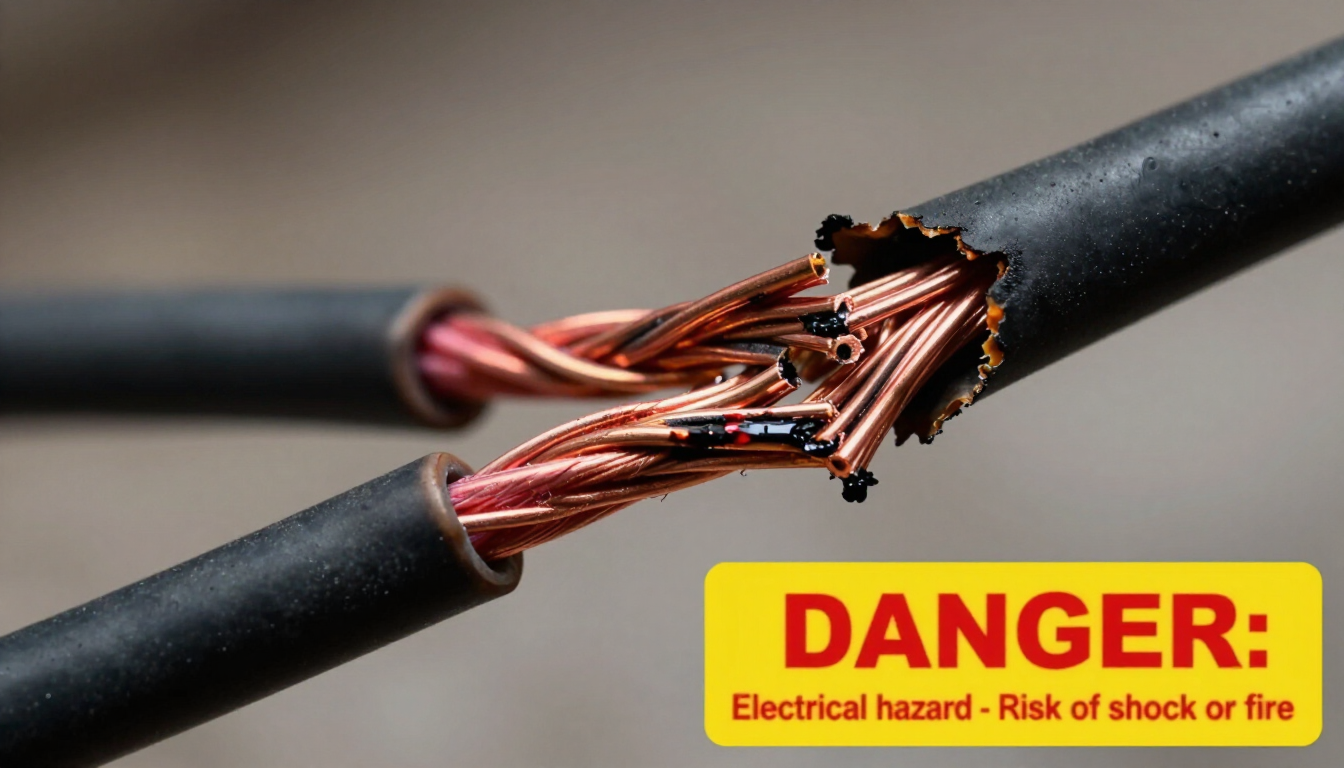
Ignoring these signs can lead to "arcing," which is when electricity jumps across a gap in a wire. This process generates extreme heat, often exceeding several thousand degrees, which can ignite surrounding insulation or wooden studs within your walls. In many cases, homeowners don't realize there is a problem until they smell smoke, but the flickering lights were the early warning system that went unheeded. By paying attention to these five signals, you can catch a minor wiring flaw before it becomes a major insurance claim.
When should I call an electrician for flickering lights?
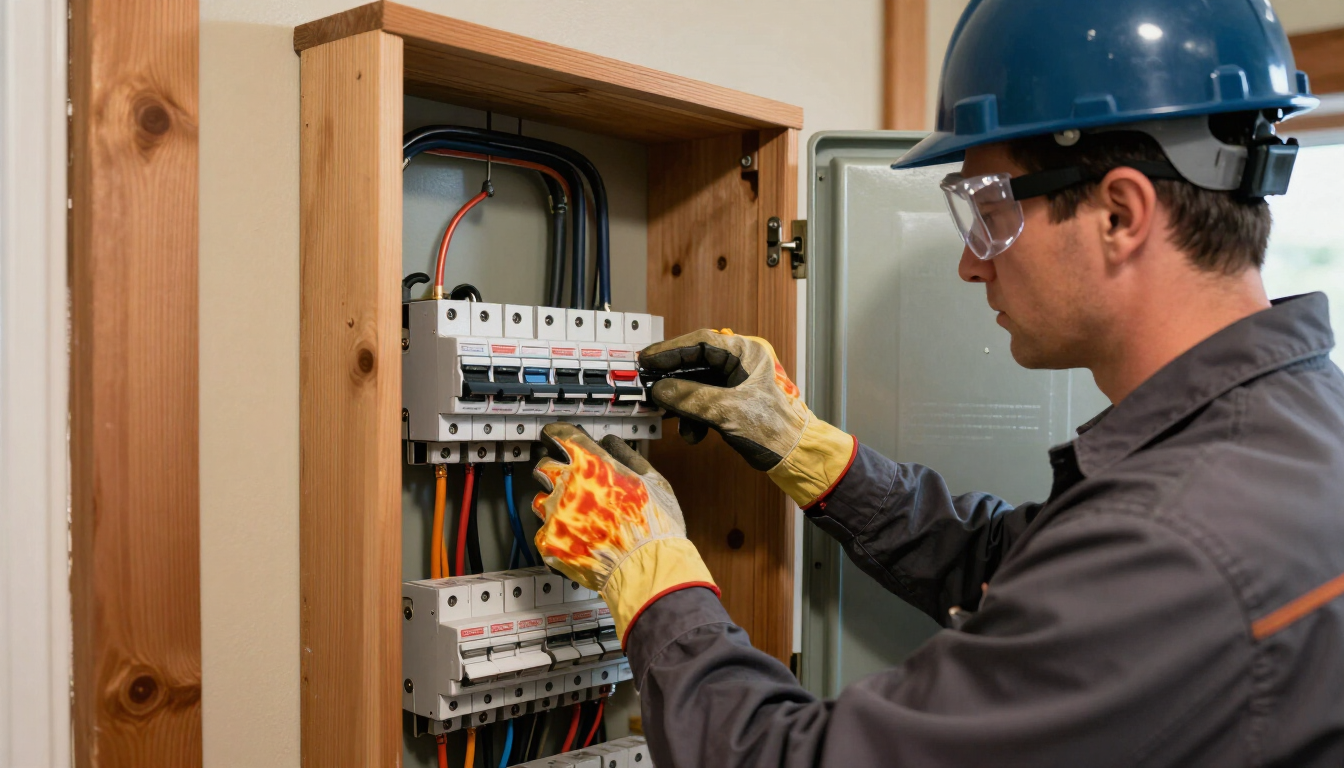
Determining the right time to call a licensed professional like Proton Electric LLC depends on the frequency and scope of the problem. If you have already tried tightening the bulb and the flickering persists, it is no longer a DIY project. Electrical systems are complex and dangerous; attempting to open a junction box or an electrical panel without proper training can result in severe shock or death. You should call an electrician if the flickering started after a recent storm, if it happens every time you use a specific outlet, or if you live in an older home in areas like Ralston or Gretna that may have outdated aluminum wiring.
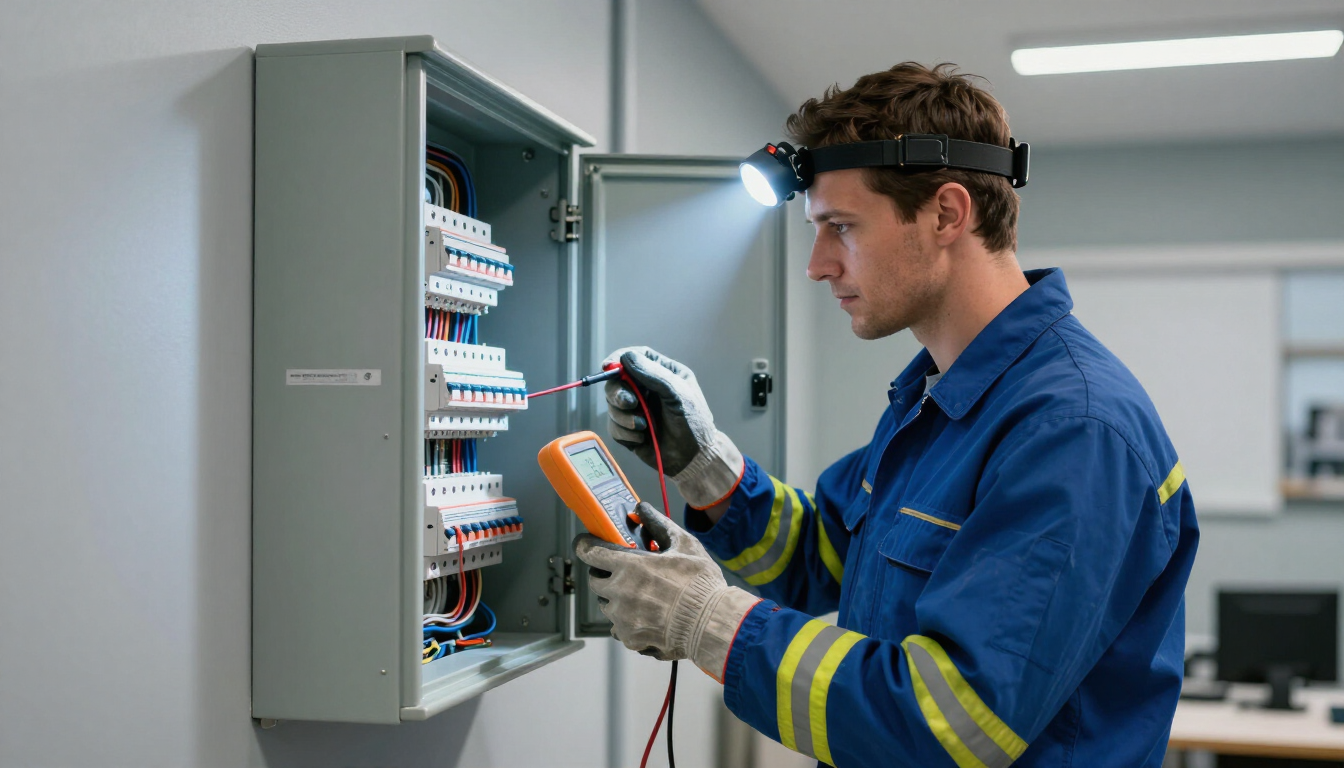
Professional electricians use specialized tools, such as circuit analyzers and infrared cameras, to find "hot spots" that are invisible to the naked eye. These tools allow us to pinpoint the exact location of a loose wire or a failing breaker without tearing into your drywall unnecessarily. Furthermore, if you are planning on Home Remodeling & Interior Electrical work, a flickering light issue should be resolved before any new construction begins. Adding more load to a compromised system is a recipe for disaster.
We recommend scheduling an inspection if the flickering is unpredictable. If it happens at 2:00 AM when no major appliances are running, it could indicate a loose neutral wire in your main service. This is a "Code Red" situation because a loose neutral can cause sudden voltage spikes that fry your expensive electronics, including TVs, computers, and smart home hubs. Protecting your investment starts with a simple phone call to a qualified technician who can provide a comprehensive safety audit.
Common Causes of Harmless Flickering
While we emphasize safety, it is also important to recognize that some flickering is benign. Before you worry about a total home rewiring, consider these common culprits that are usually easy and inexpensive to fix. Many homeowners in Elkhorn and Bennington find that their issues stem from simple component mismatches rather than deep-seated electrical flaws. Identifying these can save you a lot of stress and unnecessary service calls.
- Loose Light Bulbs: The most common cause is simply a bulb that has wiggled loose in its socket, breaking the continuous flow of current.
- Incompatible Dimmer Switches: Standard dimmers often clash with LED bulbs, causing them to pulse or strobe rather than dim smoothly.
- Faulty LED Drivers: Cheaper LED bulbs have internal components called drivers that can fail, leading to localized flickering.
- Standard Appliance Startup: A very brief, slight dip when a vacuum or hairdryer starts is often normal for residential grids.
- Grid Fluctuations: Sometimes the utility company experiences a momentary surge or dip that affects the entire neighborhood.
If the flickering is limited to one specific lamp, try moving that lamp to a different room. If it continues to flicker in the new location, you know the issue is within the lamp itself or its cord. If the flickering stops, the problem might be the original outlet. Similarly, always ensure you are using "Dimmable" rated LED bulbs if your fixtures are controlled by a dimmer switch. Non-dimmable LEDs will almost always flicker and eventually burn out prematurely if used on a dimming circuit. If you’ve ruled these out, then it’s time to look deeper into your home’s infrastructure.
How can I troubleshoot flickering lights at home?
Safe troubleshooting is the only kind of troubleshooting a homeowner should perform. You can start by checking the easiest variables. First, turn off the light and wait for the bulb to cool. Once cool, ensure the bulb is screwed in firmly but not overly tight. If the bulb is a traditional incandescent or halogen, check the filament; if it looks broken or thin, replace the bulb. For those with smart lighting or Specialty Electrical Services , ensure your software and hubs are updated, as connectivity issues can sometimes mimic electrical flickers.
Next, check the wall switch. Does the flickering happen when you wiggle the switch toggle? If so, the switch itself is likely worn out and needs replacement. A loose connection at the switch is a common fire hazard because every time the light flickers, a small spark is occurring inside the wall. If you feel comfortable, you can also check your circuit breaker panel to see if any breakers are "tripped" or partially flipped. However, do not remove the panel cover. That is where the danger resides, and that task must be left to a licensed electrician from Proton Electric LLC.
Finally, observe the timing. Does the flickering coincide with the wind blowing outside? This often indicates that the service wires connecting your home to the utility pole are loose or fraying. When the wind moves the wires, the connection is momentarily interrupted. This is an issue that usually requires the utility company to come out and tighten the overhead connections. By performing these basic observations, you can provide your electrician with valuable information that will speed up the diagnostic process and get your home back to normal faster.
Dangers of Ignoring Fluctuating Power
Ignoring a flickering light is like ignoring a check engine light in your car; the problem rarely fixes itself and usually gets more expensive over time. The primary danger of fluctuating power is the risk of an electrical fire. According to the NFPA, electrical distribution and lighting equipment are the leading causes of home fires in the United States. A flicker is a symptom of resistance in the circuit, and resistance generates heat. If that heat builds up behind a wall, it can ignite dry wood or insulation in seconds.
Beyond fire risks, fluctuating power is devastating to modern electronics. Sensitive microprocessors in your laptop, refrigerator, and even your smart toaster are designed to operate within a very narrow voltage range. When your lights flicker due to a loose neutral or a failing transformer, your appliances are being subjected to "brownouts" and "surges." This causes cumulative damage to the circuits, shortening the lifespan of your expensive devices. You might save money by not calling an electrician today, but you could end up spending thousands replacing a fried HVAC motherboard next month.
Is my electrical panel the culprit?
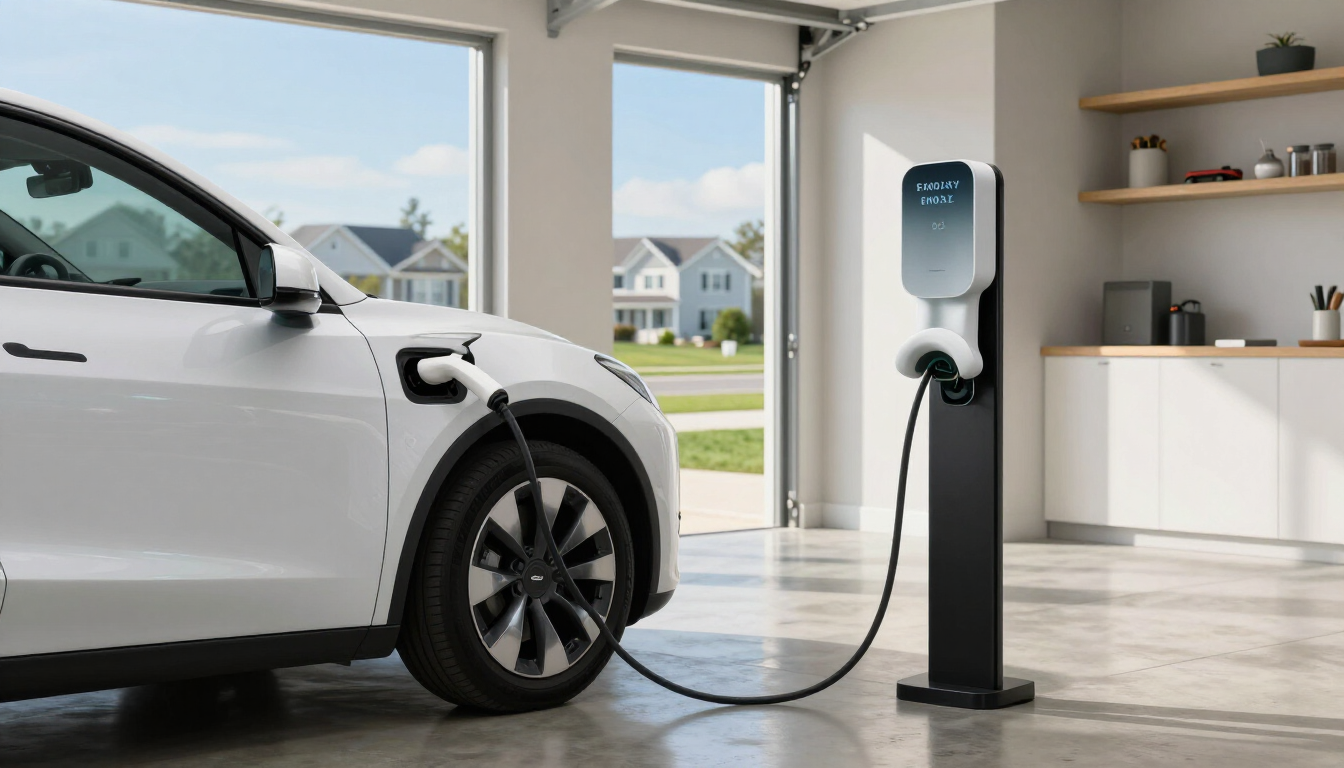
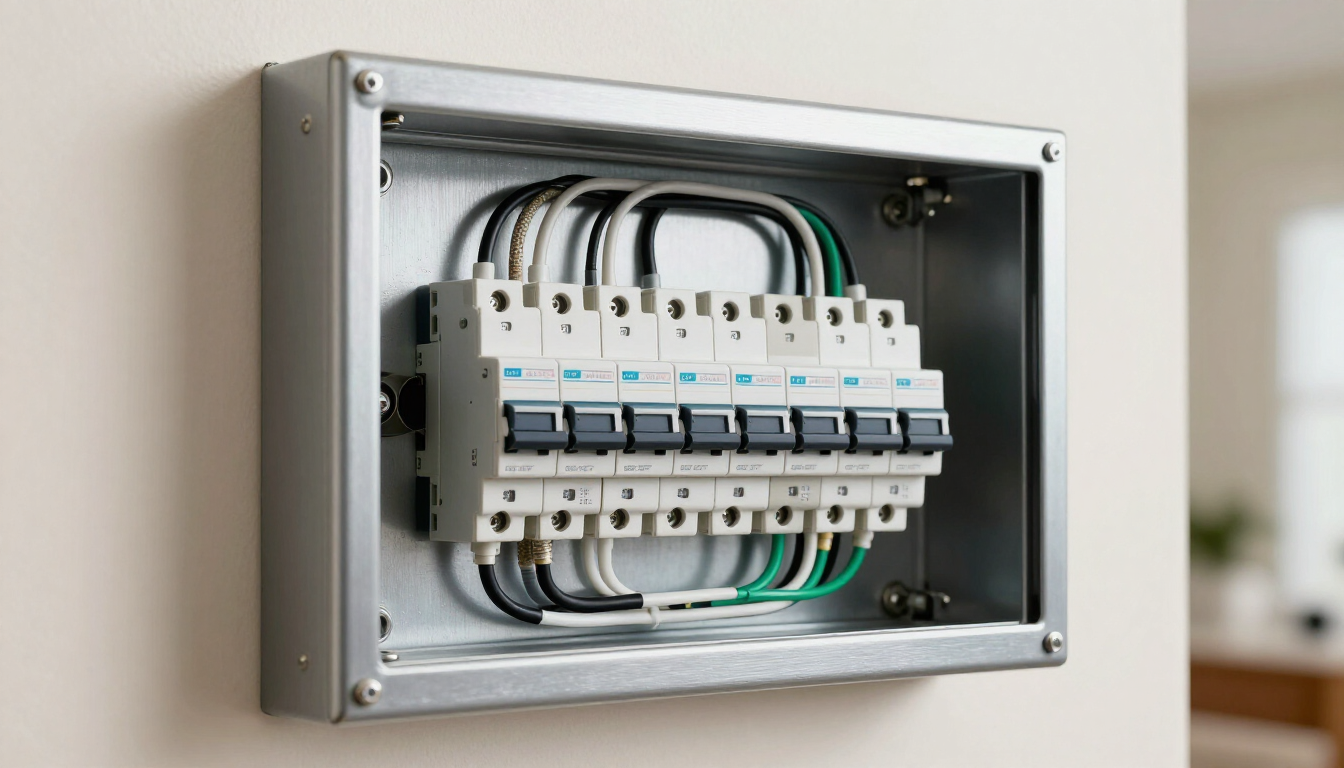
Your electrical panel is the heart of your home's power system. If it is old, corroded, or overloaded, it will struggle to distribute power evenly, leading to flickering lights. Many homes in the Omaha area still have panels that are 30 to 40 years old. These units were built for a time when a household had one television and a few lamps, not the high-definition theaters and EV chargers of today. If your panel is a brand like Federal Pacific or Zinsco, these are known safety hazards that often fail to trip during a surge, making flickering lights a precursor to a total system failure.
Signs that the panel is the source of your flickering include a burning smell near the box, breakers that are hot to the touch, or lights that flicker across the entire house simultaneously. If you suspect your panel is failing, you should look into Outdoor & Exterior Electrical Services to ensure your main service entrance and grounding system are up to code. A panel upgrade not only stops the flickering but also increases your home's value and provides peace of mind that your family is safe from electrical accidents.
Conclusion: Protect Your Home Today
Flickering lights are more than just a minor annoyance; they are a vital communication tool your home uses to tell you something is wrong. While a loose bulb or an incompatible dimmer is often to blame, persistent or widespread flickering is a clear sign of underlying electrical distress. By identifying the symptoms early—such as flickering during appliance startup or buzzing sounds—you can prevent costly damage to your electronics and mitigate the very real risk of a house fire. At Proton Electric LLC, we are dedicated to keeping homes in Omaha, Papillion, and the surrounding areas safe and powered correctly.
Key Takeaways for Homeowners:
- Check the simple stuff first: Tighten bulbs and verify dimmer compatibility before assuming the worst.
- Monitor the scope: Flickering that affects multiple rooms is a high-priority safety concern.
- Listen for clues: Buzzing, popping, or humming sounds are immediate red flags.
- Protect your tech: Use high-quality surge protectors to shield electronics from voltage fluctuations.
- Hire a professional: When in doubt, contact a licensed electrician for a safety inspection.
If your lights are behaving strangely, don't wait for the problem to escalate. Contact us today via our Request Service page to schedule a professional evaluation and ensure your home's electrical system is operating at peak safety and efficiency.
Recent Posts